
Reviewed · PORT WINE CELLARS & TASTINGS
Port Cellar Visit & Tasting 4 Port Wines
Port has a cellar personality. This small-group visit takes you into a 19th-century cellar and walks you through a 4-wine tasting that goes past the basic stuff. I love the scale of the cellar barrels, from about 250 liters up to 40,000 liters, and I love how the guide Hohu made the story of Port wine easy to follow and fun to listen to. One consideration: snacks are not included, so go in hungry only if you plan to fix that before you arrive.
You’ll start in Vila Nova de Gaia at Av. de Diogo Leite 135, with a mobile ticket and English available. Then you’ll tour the cellar, stand and take a short walk, and climb stairs to the tasting room on the first floor, in a group capped at 12 people.
In This Review
- Key highlights I think you’ll care about
- Port From Vila Nova de Gaia: Where this tour starts
- Entering a 19th-century wine cellar with real barrel scale
- How the guide connects Port production to what you taste
- The tasting room flight: 4 Ports, each with pairing ideas
- Rose Port
- Dry White Port
- Tawny 10 years
- Ruby LBV
- Snacks aren’t included, so plan your food timing
- Price and value: What $29.79 buys you
- Who this Port cellar visit is best for
- FAQ
- FAQ
- What is the duration of the Port Cellar Visit & Tasting?
- How many Port wines will I taste?
- What types of Port are included in the tasting?
- Is snacks included with the tour?
- Is the tour offered in English?
- Where do I meet the guide?
- How big is the group?
- Will I need to climb stairs?
- Should you book this Port tasting?
Key highlights I think you’ll care about
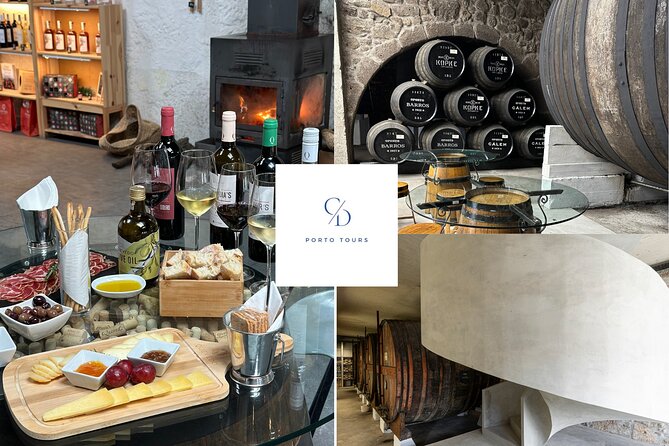
- 19th-century cellar visit focused on real production and aging, not a rushed photo stop
- Barrels from 250 to 40,000 liters, so you can feel how Port works at different scales
- 4 tastings that skip the typical basics: Rose, Dry White, Tawny 10 years, and Ruby LBV
- Pairing talk with each wine, so you get ideas for what to eat with Port
- Small group size (max 12) for a more personal guide-and-questions feel
Across the water in Gaia, more lodges pouring tawny and vintage
- Porto: Bridges Cruise & Sunset & Port Wine Cellar Option★ 4.2 · 4,180 reviews
- Porto: Cálem Cellar Tour, Fado Show & Wine Tasting★ 4.4 · 3,530 reviews
- Porto: Cockburn’s Port Lodge Tour and Tasting★ 4.8 · 3,360 reviews
- Porto: City Train Tour, River Cruise & Wine Cellar★ 3.9 · 2,601 reviews
Port From Vila Nova de Gaia: Where this tour starts
This experience is based in Vila Nova de Gaia, right across from Porto on the river side that’s famous for cellars. The meeting point is Av. de Diogo Leite 135, and the tour runs about 1 hour 30 minutes. That time window matters because you’re not stuck in a half-day “wine day.” Instead, you get a tight, structured cellar-to-tasting flow that fits well into a morning or late afternoon in the area.
The logistics are also fairly smooth. You’ll use a mobile ticket, and the tour is offered in English. It’s near public transportation, which is handy if you’re already hopping around Porto and Gaia on foot and transit. With a maximum of 12 travelers, it’s paced in a way that feels manageable rather than frantic.
Entering a 19th-century wine cellar with real barrel scale
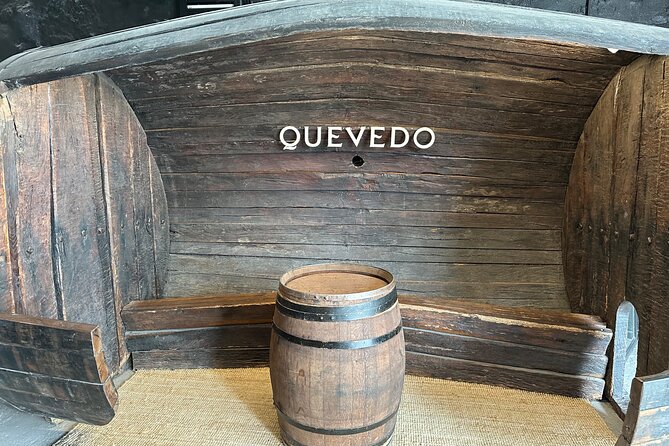
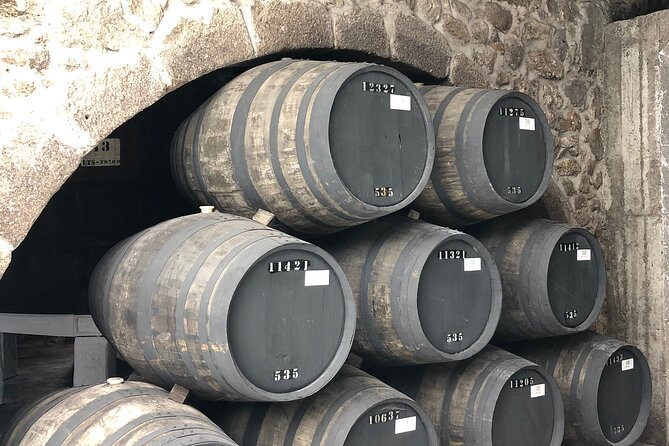
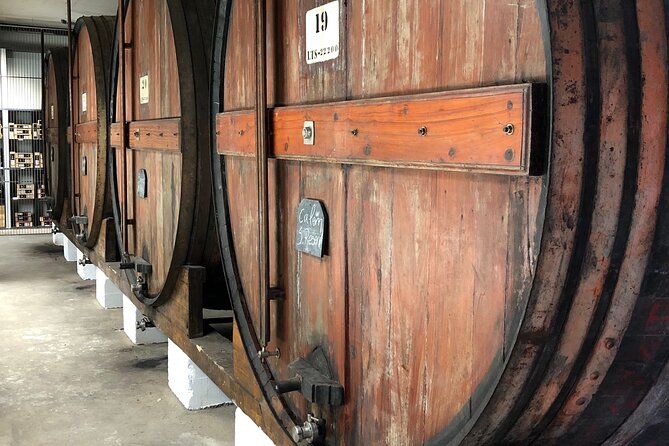
The core of the tour is the cellar visit, and it starts with something most wine tours only hint at: the physical reality of Port aging. You’ll visit a 19th-century wine cellar and spend time looking at barrels ranging from about 250 liters to 40,000 liters. Seeing that spread in person helps you understand why Port producers can shape flavor in so many ways.
Your guide explains how Port works, including the basic production method and how different types age. This is the part I appreciate most because it’s not just a list of facts. It’s explanations you can actually hold onto while you taste later. When you understand what’s happening during aging—what gets more emphasis, what changes, what stays—your tasting notes stop being random scribbles and start making sense.
There’s also a practical side here. You’ll need to stand during the cellar visit, do a short walk, and climb stairs to the tasting room on the first floor. If you’re comfortable with those basics, you’ll be fine. If stairs are an issue for you, this is the one detail you should weigh before booking.
How the guide connects Port production to what you taste
Port can feel confusing at first because there are multiple categories and aging styles. The tour’s strength is that it doesn’t treat them like separate worlds. Instead, your guide ties together:
- what Port is and why it’s different from still wine
- how the production method sets up the flavor profile
- how aging choices affect sweetness, body, and fruit notes
And you get that guidance in a small-group format, which is where Hohu’s style really shows up in the reviews. People highlighted that Hohu was funny and made the information land. That matters because Port terminology can get heavy fast, and the last thing you want is a lecture that turns your tasting into a blur.
What I like is the pacing: you tour first, learn the “why,” then move to tasting. By the time you pour, you’re not starting from scratch. You already have mental hooks like aging type and what a category tends to do in the glass.
The tasting room flight: 4 Ports, each with pairing ideas
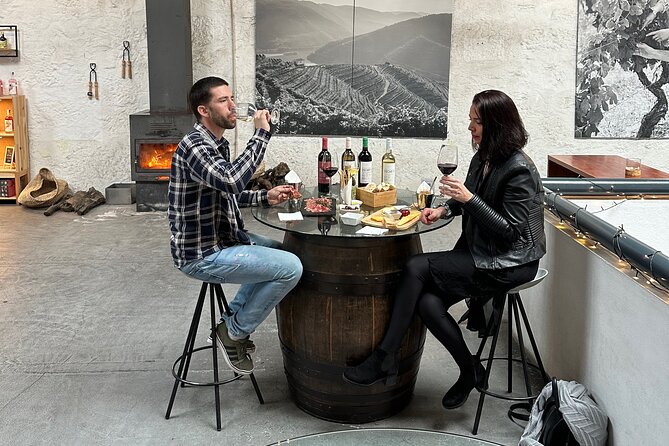
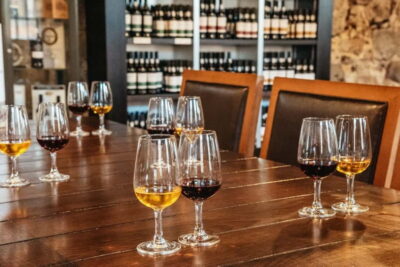
After the cellar portion, you head to the tasting room on the first floor. This is where you taste four quality Port wines, and each one comes with commentary on its characteristics and its pairing potential.
Here’s the lineup, and why it’s a smart mix:
More Porto days out worth booking



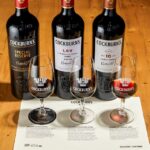

Rose Port
A Rose Port tasting is a great opener because it sets expectations without feeling like you’re immediately jumping into the deepest, darkest styles. The guide’s notes help you clock what makes it feel different and what kinds of flavors it tends to match.
If you usually think of Port as only rich and dessert-like, this one is useful. It nudges you toward seeing Port as a broader category than the stereotype.
Dry White Port
This is the one that can surprise you. Dry white Port isn’t aiming for sweetness. The tasting commentary gives you clues about texture and how to think about serving ideas.
If you’re planning meals around this drink, Dry White Port is also easier to pair than some of the heavier options. Even if you’re not a white-wine person, tasting it with the guide’s pairing talk can change what you consider.
Tawny 10 years
Tawny Port is where aging style becomes obvious. The “10 years” marker isn’t just a label; it signals how the wine has developed over time. In a guided tasting, you’re taught what that development tends to bring—often more complexity and a different kind of warmth than you get from younger styles.
This is a classic “slow down and pay attention” pour. It’s also a good bridge between the fruity notes you might expect and the deeper, older flavor profile that Tawny can develop.
Ruby LBV
LBV stands for Late Bottled Vintage, and Ruby LBV tends to sit in a sweet spot for many people: you get the impact of time without jumping straight to the most mature, older categories. The guide’s descriptions help you compare it against the Tawny you tasted just before it, so the tasting stays organized in your brain.
It’s also a useful choice if you’re shopping for Port to bring home. Ruby LBV is often approachable, and pairing ideas help you think beyond sipping.
Snacks aren’t included, so plan your food timing
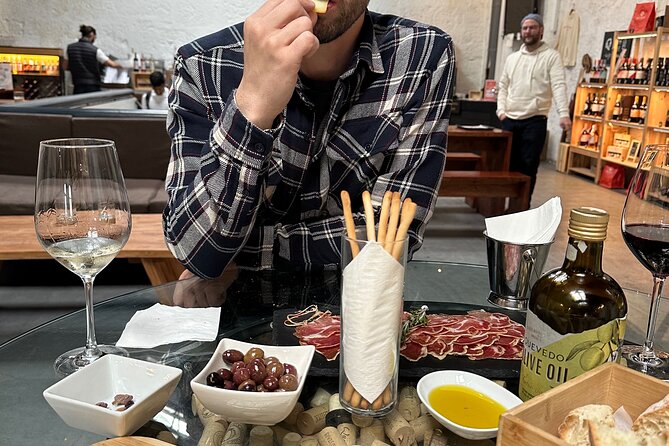
One clear downside is also one simple fix: snacks are not provided. That means your enjoyment hinges on what you eat before (or after) the tour.
Port tastings can move from sweet to aromatic to more structured quickly, and alcohol on a light stomach can hit harder than you expect. So if you know you’re sensitive to tastings, aim to eat a meal beforehand. If you’re the type who likes to test wines on an empty stomach, do that only if you’re comfortable with alcohol.
A practical strategy: treat this as a tasting event, not a snack-and-wander stop. Eat first, then enjoy the cellar-to-tasting rhythm.
Price and value: What $29.79 buys you
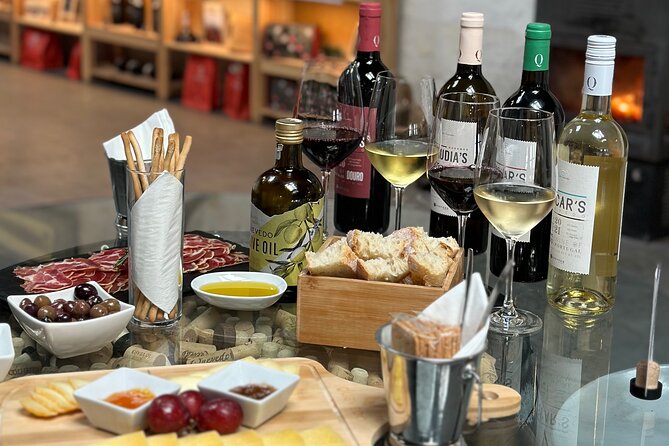
At $29.79 per person, this tour lands in the “reasonable” range for a guided Port experience with a cellar visit and four tastings. What makes it good value isn’t just the number of wines. It’s the mix of:
- a real cellar visit tied to production and aging
- a small group size capped at 12
- a tasting lineup that includes Rose, Dry White, Tawny 10 years, and Ruby LBV
Many Port experiences either feel too basic (only one style, limited explanation) or feel too broad (a rushed stop at multiple locations). Here, the focus stays tight: learn the system, then taste the categories.
You’re also not paying for snacks that you won’t get anyway. So the price feels cleaner: you’re paying for the guide, the cellar access, and the four pours.
Who this Port cellar visit is best for
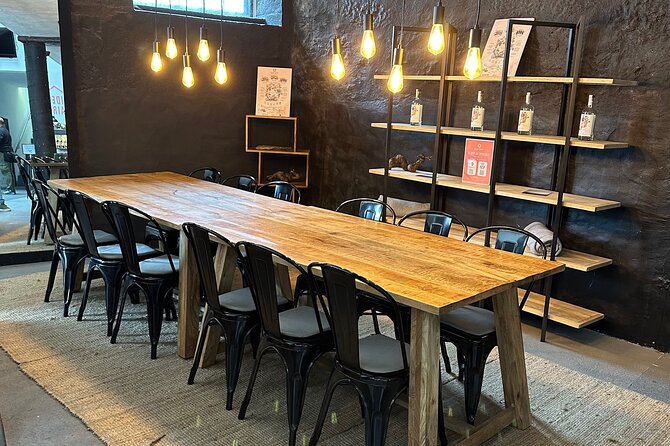
This fits best if you want Port explained without getting dragged through a super-touristy script. You’ll like it if you:
- enjoy wine learning that stays practical and not overly technical
- want a guided tasting with pairing ideas you can use later
- like small-group tours where questions feel possible
- want a Port intro that includes both lighter styles and more traditional aging categories
It may be less ideal if you need snack pairings during the tasting or if stairs are a deal-breaker. Otherwise, it’s a strong choice for couples, solo travelers, and small groups.
FAQ
FAQ
What is the duration of the Port Cellar Visit & Tasting?
It lasts about 1 hour 30 minutes.
How many Port wines will I taste?
You’ll taste 4 Port wines.
What types of Port are included in the tasting?
The tasting includes Rose, Dry White, Tawny 10 years, and Ruby LBV.
Is snacks included with the tour?
No. Snacks are not provided.
Is the tour offered in English?
Yes, it’s offered in English.
Where do I meet the guide?
The meeting point is Av. de Diogo Leite 135, Vila Nova de Gaia, Portugal.
How big is the group?
The tour has a maximum of 12 travelers.
Will I need to climb stairs?
Yes. You’ll climb stairs to the tasting room on the first floor.
Should you book this Port tasting?
If you want a Port experience that feels focused and guided, I’d book it. The big wins are the 19th-century cellar setting, the barrel scale that helps you picture aging, and the tasting lineup of four wines that avoids the most basic approach. Add in the small group size and the guide style mentioned in reviews, and you get a visit that’s easy to enjoy and easy to remember.
Just don’t ignore the snack gap. Eat beforehand, plan for a bit of standing and stair climbing, and you’ll get a great use of your time in Vila Nova de Gaia.
More Food & Drink in Porto

More Tour Reviews in Porto




More Gaia Cellars Worth the Crossing




Fresh in the Porto notebook





Port Wine Cellars & Tastings, compared.
 ★ 4.2Bridges Cruise & Sunset & Port Wine Cellar OptionFrom $214,180 reviews
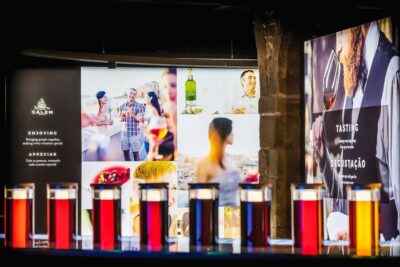 ★ 4.4Cálem Cellar Tour, Fado Show & Wine TastingFrom $333,530 reviews
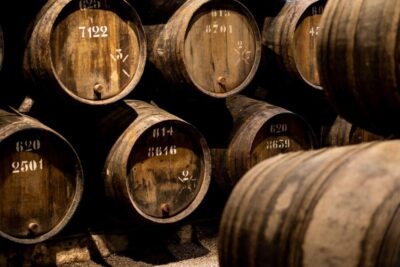 ★ 4.6Taylor’s Port Cellars & TastingFrom $293,374 reviews
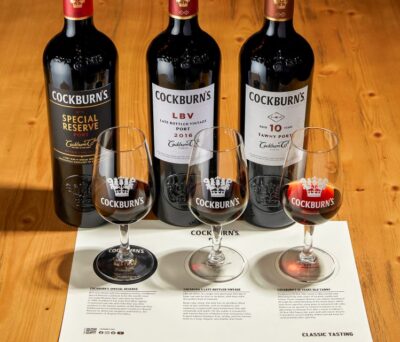 ★ 4.8Cockburn’s Port Lodge Tour and TastingFrom $353,360 reviews
 ★ 3.9City Train Tour, River Cruise & Wine CellarFrom $432,601 reviews
 ★ 5.0Port Wine Lodges Tour Including 7 Port Wine Tastings (English)From $622,041 reviews
 ★ 4.8Douro River Boat Cruise with Port Wine TastingFrom $471,627 reviews
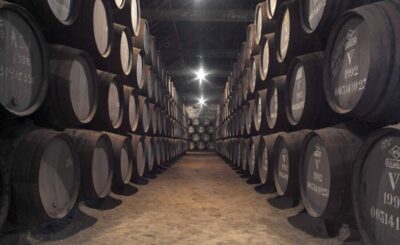 ★ 4.8Graham’s Port Lodge Tour with Premium Wine TastingsFrom $471,547 reviews
Browse the lists this tour appears in