
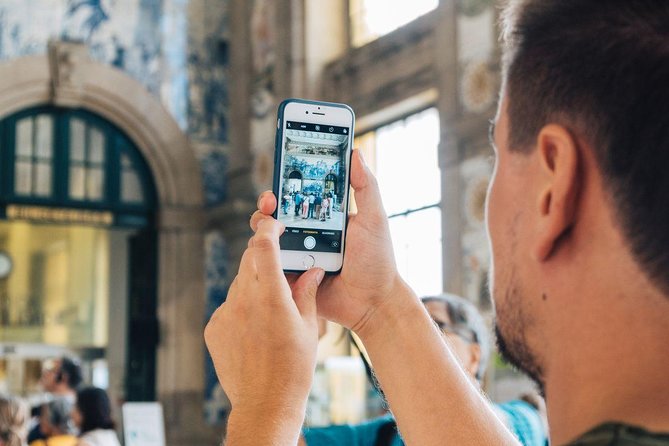
Reviewed · PORTO PHOTOGRAPHY TOURS
Mobile Photography through Porto hidden streets
Porto looks different when you frame it through a phone. This 1.5-hour mobile photography walk takes you off the main routes and teaches you how to see details, composition, and light on the spot, with hands-on guidance from João.
I love that this is truly practical: you start with phone basics like composition and guiding lines, then you apply them at real places in Porto’s old town. I also like the focus on getting results—by the end, you have a batch of images ready to post, plus tips you can reuse on your next trip.
One consideration: you’ll be walking on moderate steep stairs and streets, so wear grippy shoes and plan for some uphill movement.
In This Review
- Key Things to Know Before You Go
- Porto Hidden Streets Through a Phone Lens
- Sao Bento Station: The Fast Way to Master Strong Lines
- Catedral do Porto: Storytelling With Light and Texture
- Miradouro da Rua das Aldas: Turning a View Into a Composition
- Passeio das Virtudes: Depth, Direction, and Photo Flow
- How João Helps You Get Share-Ready Results
- What the Walk Teaches You About Porto (Beyond Photos)
- Price and Time: Is It Good Value?
- Who This Workshop Fits Best
- Steep Stairs and Streets: A Simple Comfort Plan
- Should You Book This Mobile Photography Workshop?
- FAQ
- Do I need a camera or special equipment?
- What language is the workshop offered in?
- How long is the experience?
- Where do I meet the group?
- Is the tour accessible for people with no photography experience?
- Is there a limit on group size?
- Will we be walking on stairs?
- Are service animals allowed?
- What happens if the weather is poor?
Key Things to Know Before You Go
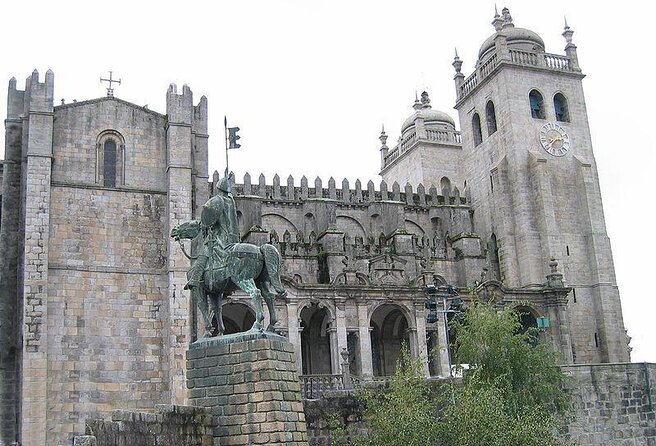
- Mobile photography coaching in Porto: technique and composition taught while you’re actually photographing.
- Real-world stops, not a slideshow: you practice at iconic spots and quiet viewpoints during the same walk.
- João’s teaching style: clear, professional guidance that works whether you’re a beginner or already shoot with your phone.
- Depth with people in your shots: you’ll get ideas for adding human scale and dimension to mobile photos.
- Editing while traveling: you learn how to edit your photos using app(s) on the go.
- Small group size (max 15): easier conversation, more chances to ask questions, and a calmer pace.
Chase the best Porto angles with a local behind the lens
- Photoshoot Unforgettable in Porto – Couple or Single★ 4.5 · 19 reviews
- Photoshoot Session for Solo, Couples and Groups in Porto area★ 5.0 · 18 reviews
- Porto: Analog Photography Workshop & Tour★ 5.0 · 13 reviews
- Porto Photo Shoot★ 5.0 · 8 reviews
Porto Hidden Streets Through a Phone Lens
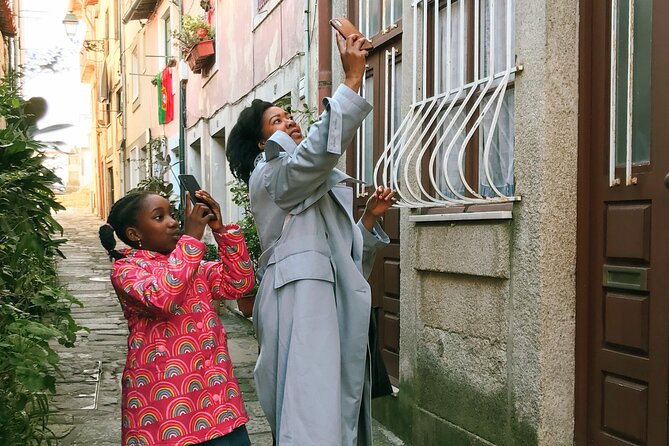
If you’ve ever taken photos in Porto and thought, Why do they look flat? this workshop is aimed at that exact problem. It’s not about fancy gear. It’s about using what your phone already does well—light, perspective, and framing—to make images that feel like you were really there.
The vibe is curious and street-level. You’ll wander the old town on narrower lanes away from the heaviest crowds, hunting for “what to shoot next” instead of waiting for the perfect postcard moment. And because you’re learning as you walk, you’re not stuck staring at menus or maps the whole time—you’re photographing your way through the city.
This works for first-timers too. If your mobile photos are mostly snapshots, you’ll get starting points. If you already shoot on your phone, you’ll likely pick up fresh ways to compose—especially around guiding lines, depth, and how to include people without making the scene feel random.
Sao Bento Station: The Fast Way to Master Strong Lines
You start at Sao Bento Railway Station, which is a smart first stop because it’s visually intense and structured. When a place has strong geometry, it helps you learn composition quickly. You’ll be able to test angles, line direction, and framing almost instantly.
This is also where you learn a useful mindset for mobile photography: don’t only aim at the main sight. Train yourself to notice smaller patterns around it—edges, repeated shapes, and the way architecture pulls your eye. That’s the kind of skill that travels well, even after the tour ends.
One practical note: stations mean people and movement. Use that. You can experiment with timing so your scene has energy but still looks intentional, not chaotic.
Catedral do Porto: Storytelling With Light and Texture
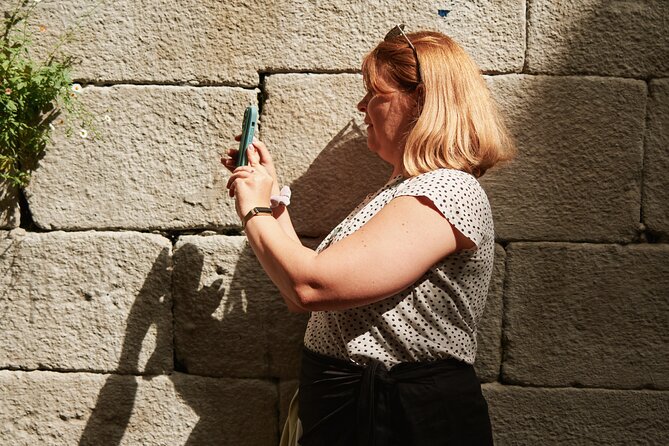
Next up is Catedral do Porto, and it’s a different type of photo challenge. Instead of “lines everywhere,” this is about texture, form, and how light behaves on stone. You’ll practice seeing surfaces and shapes as photo subjects, not just backdrops.
Cafes, streets, and crowds can distract you when you’re shooting. A stop like a cathedral helps you reset. You focus on framing what matters, choosing a viewpoint, and keeping your photo composition clean.
If you enjoy including people, this is where you can try it carefully. João’s style (based on what participants have highlighted) leans toward thinking about people as part of the scene, not just extras. That adds scale and depth—two things phones often struggle to capture unless you guide the framing.
Miradouro da Rua das Aldas: Turning a View Into a Composition
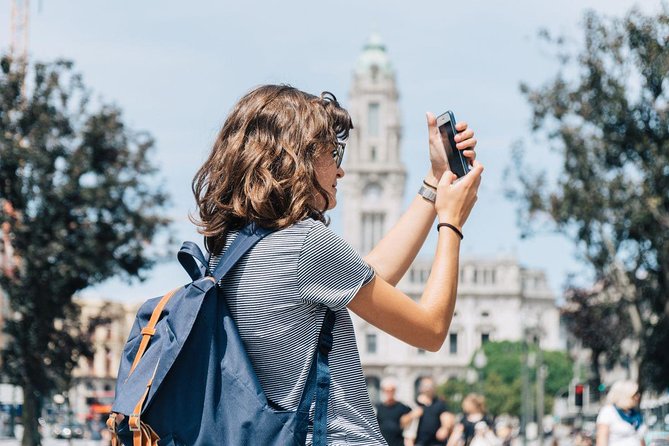
Miradouro da Rua das Aldas is a viewpoint stop, but it’s not treated like a “take one wide shot and leave.” The point is to help you compose a view so it looks layered, not flat.
From a miradouro, your biggest risk is stacking too much in the frame. You’ll learn how to simplify: choose a focal area, balance foreground and midground, and use lines that lead the eye. If you’ve ever had wide shots that feel like they’re missing depth, this is the exact skill you’re working on.
This is also a great place to experiment with your phone’s perspective. Move a step left or right. Lower your viewpoint slightly. A small change can make a big difference, especially with streets and rooftops that naturally create leading lines.
More Porto days out worth booking




Passeio das Virtudes: Depth, Direction, and Photo Flow
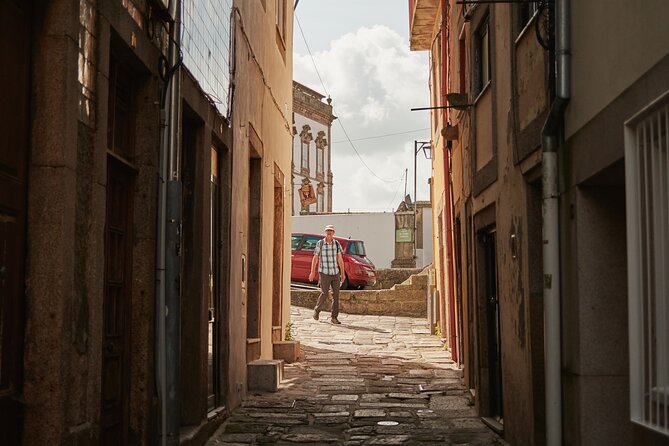
Then you reach Passeio das Virtudes, another viewpoint area where the city opens up. This stop is ideal for practicing what you’ve learned: guiding lines, depth cues, and how to keep your composition tidy while still capturing the feeling of place.
Here’s what makes this stop valuable for your photos. Porto’s hills and viewpoints naturally create “visual pathways.” Streets run down the slopes. Walls frame the edges. Even vegetation and small architectural details can act as foreground elements. When you learn to use those cues, your photos start to look more like a journey and less like a list of attractions.
Expect more of the same walking style—narrow streets and some steps. If you want your photos to look sharp and intentional, it helps to move slowly and plan your stance. Phones reward steadiness, and viewpoints are where you’ll notice shaky framing fastest.
How João Helps You Get Share-Ready Results
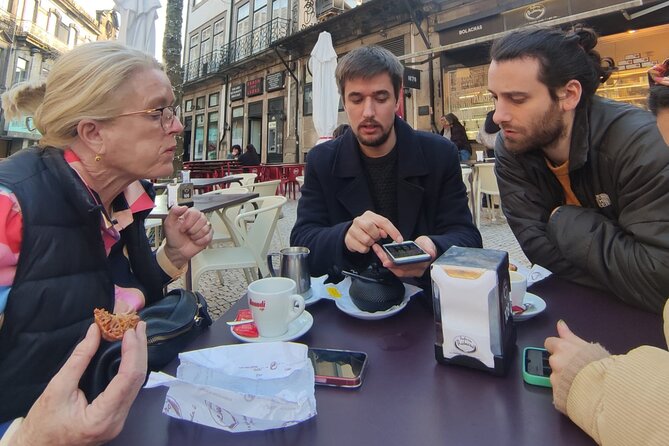
The workshop isn’t just about getting good shots today. It’s about giving you a workflow you can repeat later in Porto—or at home. The teaching covers technique and composition, then ties it to what you’ll actually do with your camera app as you go.
One standout focus is editing while traveling. You’ll be told about the apps used to adjust your photos on the spot, so you’re not waiting until you’re back from the trip to fix brightness, color, and contrast. That matters because it changes your decisions during the walk. When you know you can refine later, you can shoot with confidence instead of overthinking.
By the end, you’re expected to leave with a batch of images ready to publish on your social channels. That’s practical for modern travel: you can share right away, while memories are still fresh and the photos still feel current.
What the Walk Teaches You About Porto (Beyond Photos)
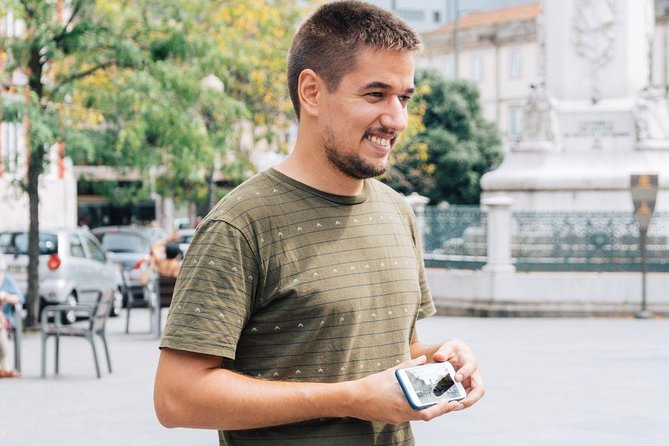
The photography part is the headline, but you also come away with a better way to look at Porto. The route mixes major sights with the in-between spaces that usually get ignored. And that changes how you understand the city.
From the stops you’ll cover, you’ll get a sense of Porto’s rhythm: the power of grand interiors and the intimacy of narrow old-town streets, plus the dramatic viewpoints that show the city’s slope and structure. Even if you’re not a “photo person,” that kind of noticing makes your travel experience richer.
And because the group is small (up to 15), it’s easier to ask questions and get feedback style tips. The workshop also adapts to different experience levels, so you’re not stuck if you’re starting from scratch—or bored if you already shoot often.
Price and Time: Is It Good Value?
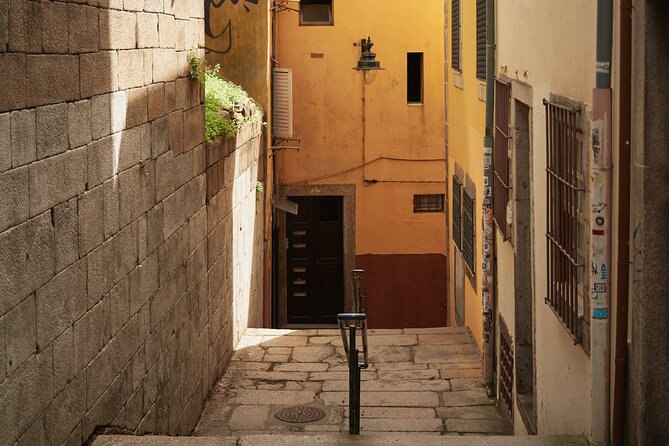
At $59.15 per person for about 1 hour 30 minutes, this is priced like a focused, skill-based experience rather than a long sightseeing tour. That’s a good sign for value, because the time you spend directly improves your results instead of simply checking boxes.
You’re getting multiple elements in one package: guided shooting at several distinct locations, composition coaching, and editing guidance for publishing-ready images. If you usually spend your vacation photographing but never feel satisfied with the outcome, this kind of workshop can pay off fast.
One more reason it can be good value: you don’t need to bring special equipment. A charged phone or tablet is enough, which removes a lot of friction. If you’ve got your device already, you’re mostly paying for direction and practice time.
Who This Workshop Fits Best
This walk is best for you if you want Porto photos that feel intentional. You like to learn practical camera skills without a lot of theory. You’re curious about composition basics like guiding lines and how to shape a frame.
It also suits you if you’ve been shooting with your phone for years but feel like your pictures aren’t showing depth—people in scenes can look awkward, or wide shots can feel lifeless. The coaching style here leans toward making human presence work for the photo, so the scene has scale and story.
If you prefer a purely effortless “sit and enjoy” tour, the walking and stair elements may be less your style. But if you’re okay moving steadily for 90 minutes, it’s an easy way to get better without dragging a tripod or changing your travel routine.
Steep Stairs and Streets: A Simple Comfort Plan
The workshop includes moderate steep stairs and streets, so plan like a local. Wear shoes with good grip. Keep your phone ready but don’t rush through steps.
Your goal is sharp photos, but also safe footing. If you need to take it slower, the workshop can adapt to your needs. That flexibility is part of why the experience works for different skill levels—not just camera skills, but physical comfort too.
Should You Book This Mobile Photography Workshop?
Book it if you want Porto photos that look planned, not accidental. The combination of street-level practice, João’s teaching, and editing tips is the kind of learning that shows up immediately in your camera roll.
Skip it if you’re dealing with mobility limitations that make stairs hard, since the route involves steep segments. Also consider your device battery: this is a phone-or-tablet workshop, so arrive with it fully charged.
If you’re excited to explore Porto’s old town and you want a repeatable photo workflow, this is a smart, value-driven way to learn while you walk.
FAQ
Do I need a camera or special equipment?
No. You only need your phone or tablet, fully charged.
What language is the workshop offered in?
It’s offered in English.
How long is the experience?
It lasts about 1 hour 30 minutes.
Where do I meet the group?
The meeting point is Sao Bento Station, Praça de Almeida Garrett, 4000-069 Porto, Portugal.
Is the tour accessible for people with no photography experience?
Yes. If you have no experience photographing with your phone or tablet, the workshop will be adapted to your needs.
Is there a limit on group size?
Yes, the maximum group size is 15 travelers.
Will we be walking on stairs?
Yes. The route includes moderate steep stairs and streets.
Are service animals allowed?
Yes, service animals are allowed.
What happens if the weather is poor?
The experience requires good weather. If it’s canceled due to poor weather, you’ll be offered a different date or a full refund.
More Photography Sessions in Porto



More Tour Reviews in Porto





Photo Walks Around Porto

Fresh in the Porto notebook


Porto Photography Tours, compared.
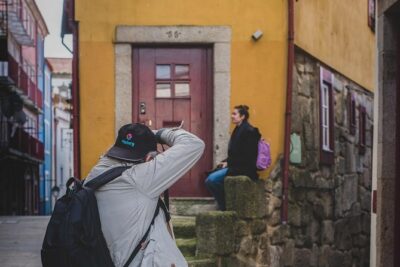 ★ 5.0Porto 1/2 Day Walking Photo Tour & PortraitsFrom $145163 reviews
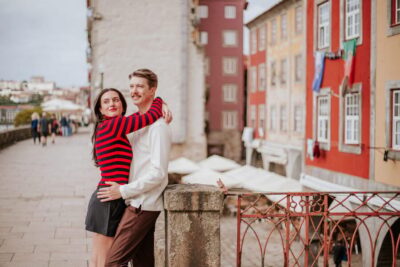 ★ 5.0Photoshoot in PortoFrom $18127 reviews
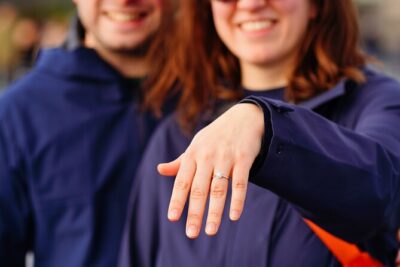 ★ 4.5Photoshoot Unforgettable in Porto – Couple or SingleFrom $9419 reviews
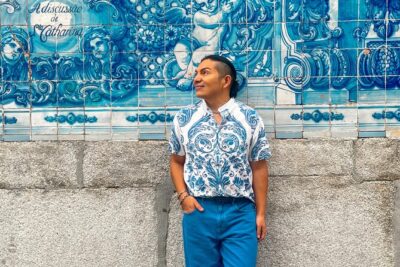 ★ 5.0Photoshoot Session for Solo, Couples and Groups in Porto areaFrom $7818 reviews
 ★ 5.0Analog Photography Workshop & TourFrom $10613 reviews
 ★ 5.0Porto Photo ShootFrom $1808 reviews
 ★ 5.0Porto Photo TourFrom $1114 reviews
 ★ 5.0Instagram Photo Tour in PortoFrom $884 reviews
Browse the lists this tour appears in