
Reviewed · PORTO CITY WALKS
LGBTour Porto: Walk through Porto, discover the LGBTQIA+ History
Porto feels different when you walk it queer. This tour uses an LGBTQIA+ lens to turn ordinary streets into Pride history, with real stops like Livraria aberta. One catch: if you’re only here for postcard sights and big monuments, this route stays more street-level and story-driven.
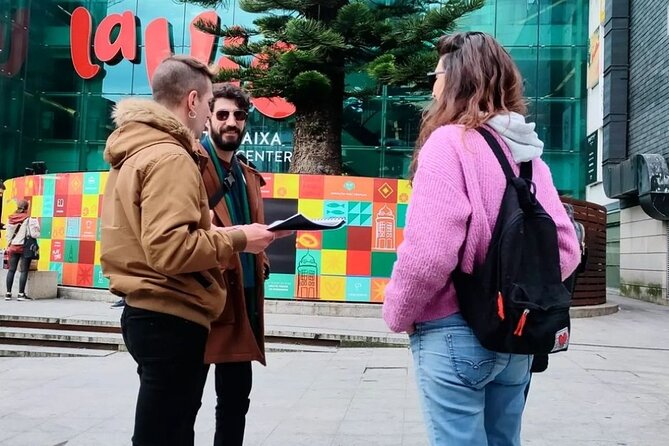
What makes it work is the pace and the small group size. You’re in a walk-about format for about 3 hours, capped at 15 people, so you get time to ask questions and swap ideas with guide Ricardo Barros.
It also ends where Porto looks best. You finish at the Miradouro das Virtudes viewpoint, with a relaxed wrap-up and a view over the Douro, after stopping near several public places that are easy to reach by transit.
In This Review
- Key things I’d circle before you go
- Entering Porto’s LGBTQIA+ story fast: where the walk begins
- Campo 24 de Agosto: Pride origins in a garden setting
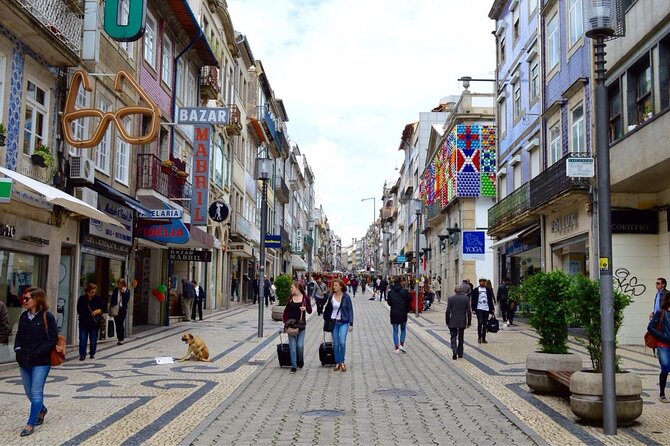
- Rua de Santa Catarina: noticing how tourism rewrites spaces
- Praca da Republica, Teófilo Braga Garden, and the Pride starting point
- Livraria aberta: queer writers and why representation isn’t optional
- The student concentration stop: teaching and social change
- Tribunal da Relação do Porto: dates, rights, and the statue of justice
- Chafariz das Virtudes and the Miradouro das Virtudes finish: a calm end with a view
- Price and value: what you’re paying for in a 3-hour LGBTQIA+ tour
- Who should book this tour (and who might prefer something else)
- Should you book LGBTour Porto?
- FAQ
- How long is LGBTour Porto?
- How much does the tour cost?
- Where does the tour start and end?
- What language is the tour offered in?
- Does the tour include a mobile ticket?
- How big is the group?
- Are there different start times?
- Is admission required for the stops?
- Is the tour accessible for most people?
- What is the cancellation policy?
Key things I’d circle before you go
- Pride-march origin stop at Campo 24 de Agosto to set the context fast
- Rua de Santa Catarina for how tourism can reshape queer community spaces
- Bookshop time in Praca da Republica and why queer businesses matter
- Livraria aberta for writers, representation, and culture beyond nightlife
- Tribunal da Relação do Porto for queer dates tied to justice and rights
- Miradouro das Virtudes ending for a calm, scenic close
More routes on foot through Porto
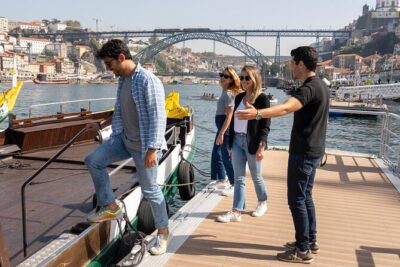
- Porto Walking Tour, Lello Bookshop, River Cruise and Cable Car★ 5.0 · 3,354 reviews
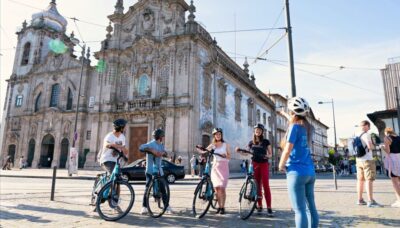
- Porto: City Highlights 3-Hour Guided Electric Bike Tour★ 4.8 · 3,092 reviews
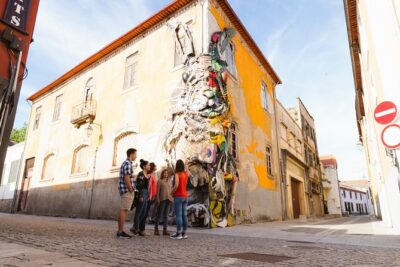
- Experience Porto’s Charm: 3-Hour Guided Walking Tour★ 5.0 · 2,432 reviews
- Porto: 3-Hour Guided City Highlights Walking Tour★ 4.8 · 2,050 reviews
Entering Porto’s LGBTQIA+ story fast: where the walk begins
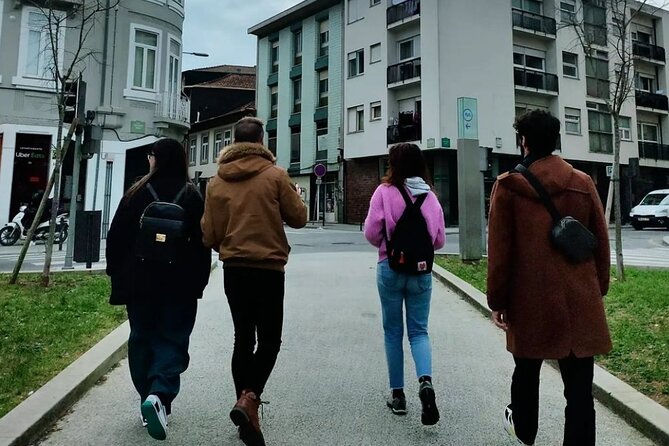
This is a guided walking tour of Porto built around LGBTQIA+ history, but it doesn’t feel like a museum lecture. You start at Av. de Fernão de Magalhães 43 (a straightforward address to plug into Google Maps), then spend about three hours moving through central neighborhoods on foot.
The structure matters. The stops aren’t just “pretty places.” They’re anchors for moments in Pride origins, legal/political change, community life, and the way everyday spaces shift over time. You can also pick a morning or afternoon start, which is handy in a city where midday crowds can get intense.
One practical note: the tour runs through busy areas, including student-heavy streets. That’s part of the point—social change happens where people live, study, and argue—but it’s worth planning for some real foot traffic.
Campo 24 de Agosto: Pride origins in a garden setting
The walk opens at Campo 24 de Agosto Garden. The big idea here is simple: you’re shown the first location linked to the first LGBTQIA+ pride march. It’s a quick stop (about 20 minutes), and the time isn’t for sightseeing your way through. It’s to frame what you’ll see next—how visibility and public presence had to be claimed, not assumed.
Why I like this first step: it gives you a timeline feeling right away. Instead of starting with the present-day scene and working backward, you get a grounding in the “how it began” part. That makes the later references—tourism changes, legal dates, and current Pride energy—hit harder.
Also, gardens in Porto are often peaceful breaks in the city’s rhythm. Even though this stop is short, it helps you shift from tourist mode into “watch the story” mode.
Rua de Santa Catarina: noticing how tourism rewrites spaces
Next comes Rua de Santa Catarina, where the tour focuses on time and tourism—specifically how they changed an area that impacted the LGBTQIA+ community.
This is only about 10 minutes, but it’s the kind of short stop that can change how you see the whole city. You’re prompted to look twice. The buildings and street corners might look familiar from normal sightseeing, but here you’re asked to notice what gets lost when neighborhoods turn into photo backdrops.
Practical tip for this moment: slow down, and pay attention to street layout and flow. When a place becomes more “tourist convenient,” everyday community patterns often shift. The guide’s job is to connect those dots so you understand what’s missing—not just what’s still there.
Praca da Republica, Teófilo Braga Garden, and the Pride starting point

Praca da Republica is one of Porto’s busiest squares, and that’s exactly why it’s included. The tour uses this area for reflection: after passing through heavy traffic streets, you pause in the square where the Pride march currently starts.
You also see Teófilo Braga Garden, and you visit a bookshop dedicated to LGBTQIA+ themes. This stop is one of the longer blocks (about 40 minutes), so it isn’t rushed. It’s also where the tour’s “culture as activism” angle becomes obvious: books, reading, and community visibility are treated as important as marches and nightlife.
The tour also places a strong emphasis on queer business. That matters for your trip in a real way. When you buy a book, ask questions in a shop, or support a local cultural space, you’re not just consuming content—you’re helping keep representation alive where it’s needed.
If you’re traveling with friends or a partner, this is also a good moment to talk after the square. The guide’s pace leaves room for questions without turning it into a formal Q&A session.
More Porto days out worth booking




Livraria aberta: queer writers and why representation isn’t optional
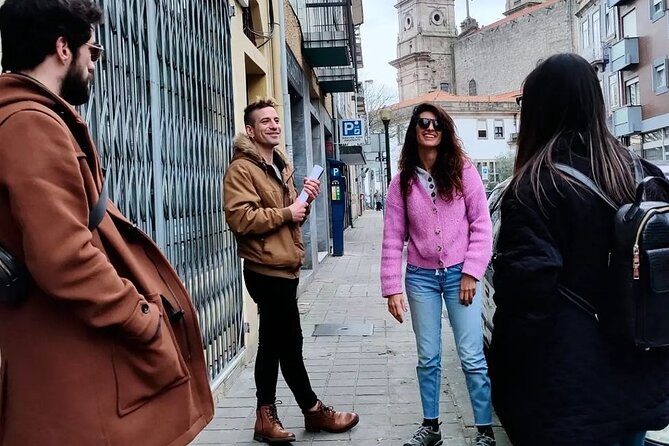
Livraria aberta is a core stop, lasting about 30 minutes. You’re visiting a bookshop connected to Diversity and Inclusion Books and the importance of queer business. The conversation moves from place to people—LGBT+ writers, their social impact, and how representation shows up in culture.
This is one of the most valuable parts of the tour if you want something beyond “where to find nightlife.” The point is that queer culture isn’t only clubs and bars. It’s also education, language, literature, and ideas that shape how society talks about identity and rights.
A practical way to make this stop count: bring one or two topics you care about—history, politics, family, activism, or art—and listen for what the guide connects to those themes. Even if you don’t buy anything, you’ll leave with titles and angles you can follow later in your own time.
The student concentration stop: teaching and social change
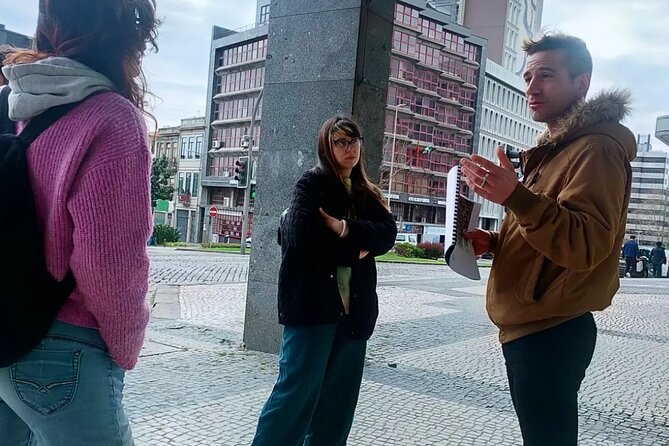
There’s also a stop in a very busy area of Porto, described as having a large concentration of students and lots of tourist references. Here, the tour shifts into teaching and social changes tied to diversity and inclusion.
This part works because it links culture to systems. It’s easy to think of LGBTQIA+ rights as just laws or just Pride events. But education and public conversation shape everything—from what people expect to what they challenge.
This stop is also a reminder that “queer history” isn’t limited to old landmarks. It’s alive in classroom debates, activism training, and the way young people influence norms. You can treat this as your reality check moment: what you’re seeing today has roots in how people learned to argue for change.
Tribunal da Relação do Porto: dates, rights, and the statue of justice
As you near the last set of stops, the tour passes the Tribunal da Relação do Porto. The focus here is the city and country’s queer history through important dates, explained in front of the statue of justice.
This is about 25 minutes, and it’s a more serious turn. The setting itself pushes the conversation into how rights get defined, defended, and denied—then re-defined again. It’s not just history for history’s sake. It’s a way to understand that legal and social change move together, even when progress is messy.
If you like when a walking tour connects politics to everyday geography, this is the section to pay attention to. You’ll likely find your own questions bubbling up here: Who had power at each moment? What was at stake? How did public visibility change what the system allowed?
Chafariz das Virtudes and the Miradouro das Virtudes finish: a calm end with a view
The tour finishes at Miradouro das Virtudes, with the walk ending at Calçada das Virtudes 5. Along the way you pass Chafariz das Virtudes, then you’re given time to relax and summarize the experience.
This final stretch lasts about 30 minutes, which is longer than many tours allow at the end. That extra time matters because it’s not only scenic—it’s reflective. The guide also shares his youth in Porto and how he saw the queer movement grow over time.
Practical upside: ending at a viewpoint is great for your schedule. After the tour, you can stay in the area for a snack, take photos, or plan your next stop without hunting down a new meeting point.
And yes, Miradouro das Virtudes is a popular spot. But that popularity is part of Porto life. Here you’re using it as a closing scene: beauty, community, and perspective all in one.
Price and value: what you’re paying for in a 3-hour LGBTQIA+ tour
The price is $38.45 per person, with about three hours of walking and guided discussion. At first glance, that’s not “cheap,” but you’re paying for two things that are hard to DIY:
- Context that turns places into meaning (Pride origins, legal dates, shifts from tourism)
- Access to a local perspective from guide Ricardo Barros, including personal storytelling tied to Porto’s queer community growth
There’s also practical value built in. The tour includes a mobile ticket, and the listed stops show free admission at each location. On top of that, the group size stays small (max 15), which helps the guide actually hold a conversation instead of rushing everyone through.
When to book: the experience is commonly booked about 22 days in advance. If you want a morning slot or you’re traveling around weekends or Pride-adjacent dates, booking earlier is a smart move.
Who should book this tour (and who might prefer something else)
This tour fits well if you want Porto with a new filter. I’d especially recommend it to:
- Solo travelers who like meeting a guide who can answer questions in plain language
- Couples looking for a shared conversation beyond restaurants and viewpoints
- LGBTQIA+ travelers and allies who want history connected to local community spaces, including bookshops
- People who don’t just want monuments, but also want how society changed—street by street, law by law, classroom by classroom
A possible mismatch: if your priority is classic tourist highlights with minimal emotion and minimal context, this route may feel too focused on struggle, rights, and community building.
One more useful note: the walk can be adjusted. A participant with a disability reported that the guide reduced walking and moved at a slower pace. If you have mobility needs, tell the operator ahead of time so expectations are set early.
Should you book LGBTour Porto?
Yes—if you’re open to a more human, political, and culture-forward walk than the usual “see the sights” route. It’s a strong choice when you want to understand how LGBTQIA+ life in Porto shows up in real places: gardens tied to Pride beginnings, bookshops that support queer business, and legal settings that explain why rights took time.
Skip it if you’re only interested in major tourist monuments and you don’t want a heavier thread of history and reflection.
FAQ
How long is LGBTour Porto?
The tour lasts about 3 hours.
How much does the tour cost?
It costs $38.45 per person.
Where does the tour start and end?
It starts at Av. de Fernão de Magalhães 43, 4300-169 Porto, Portugal and ends at Calçada das Virtudes 5, 4050-629 Porto, Portugal.
What language is the tour offered in?
The tour is offered in English.
Does the tour include a mobile ticket?
Yes, it uses a mobile ticket.
How big is the group?
The tour has a maximum group size of 15 travelers.
Are there different start times?
Yes, you can choose a morning or afternoon start time.
Is admission required for the stops?
The itinerary lists free admission for the stops.
Is the tour accessible for most people?
The information says most travelers can participate, and service animals are allowed. It is near public transportation as well.
What is the cancellation policy?
You can cancel for free up to 24 hours in advance of the experience’s start time for a full refund. If you cancel less than 24 hours before the start time, the amount paid will not be refunded.
More Walking Tours in Porto


More Tour Reviews in Porto





More of Porto on Foot
Fresh in the Porto notebook



Porto City Walks, compared.
 ★ 5.0Porto Walking Tour, Lello Bookshop, River Cruise and Cable CarFrom $723,354 reviews
 ★ 4.8City Highlights 3-Hour Guided Electric Bike TourFrom $513,092 reviews
 ★ 5.0Experience Porto’s Charm: 3-Hour Guided Walking TourFrom $352,432 reviews
 ★ 4.83-Hour Guided City Highlights Walking TourFrom $342,050 reviews
 ★ 4.4Wine Tasting with Tapas Walking TourFrom $531,541 reviews
 ★ 4.7Historic City Center Walking TourFrom $331,172 reviews
 ★ 5.0Porto’s #1 Walking TourFrom $01,026 reviews
 ★ 4.8Delicious Food and Wine Walking TourFrom $87977 reviews
Browse the lists this tour appears in