
Reviewed · BRAGA & GUIMARãES DAY TRIPS
Guimarães: Palace of the Dukes of Bragança Entry Ticket
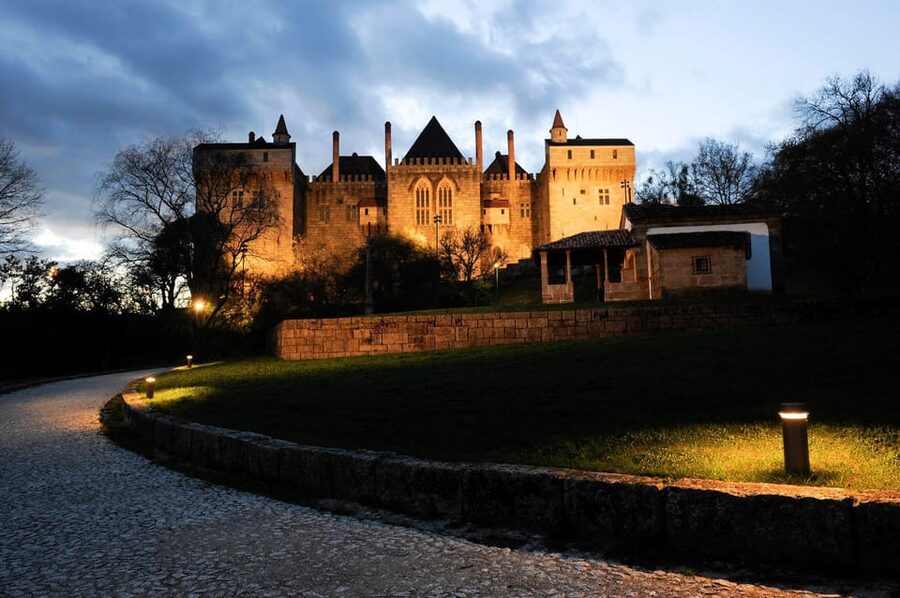
Medieval grandeur for five bucks. The Palace of the Dukes of Bragança is an easy, low-cost way to see 17th-century seigneurial architecture up close, plus museum collections that feel set up like real rooms in a noble home. The one catch: it’s currently under renovation, so some areas may be limited during your visit.
I like that the permanent exhibition is arranged like you’re being received in a grand house, not just walking past display cases. You also get the extra sense of continuity because part of the complex includes a wing used as the official residence of the Presidency of the Republic.
Plan your timing carefully. Open daily from 10:00 am to 6:00 pm with last admission at 5:30 pm, and flash photography is not allowed. Also, it’s not suitable for wheelchair users, so you’ll want to expect accessibility limits typical of historic interiors.
In This Review
- Key things to know before you go
- Where the Palace of the Dukes of Bragança fits in Guimarães
- The main ticket experience: what you really get for $5
- Entering the palace: set your expectations for a restored home
- The permanent exhibition: walking room by room like a house guest
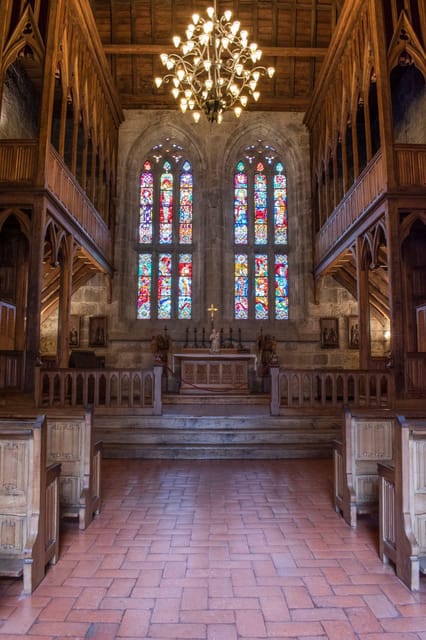
- The collections that make it feel real: tapestries, porcelain, paintings, and more
- The palace’s 15th-century roots and the House of Bragança connection
- A wing with modern relevance: the Presidency of the Republic residence
- Finishing strong: the palace gardens and slow time
- Timing and practical tips for your visit window
- Price and value: when $5 feels like a bargain
- Who should book this palace ticket
- Should you book the Guimarães Palace of the Dukes of Bragança ticket?
- FAQ
- What is the price for the Palace of the Dukes of Bragança entry ticket?
- How long should I plan for my visit?
- What are the opening hours?
- Which days is the palace closed?
- Is a guided tour included with the ticket?
- What does the ticket include?
- Is flash photography allowed?
- Can I take photos without flash?
- Is the attraction refundable?
- Is it suitable for wheelchair users?
- Do I need to choose a specific start time?
Key things to know before you go
- Budget-friendly value: The ticket is about $5 per person, and it’s discounted due to renovation
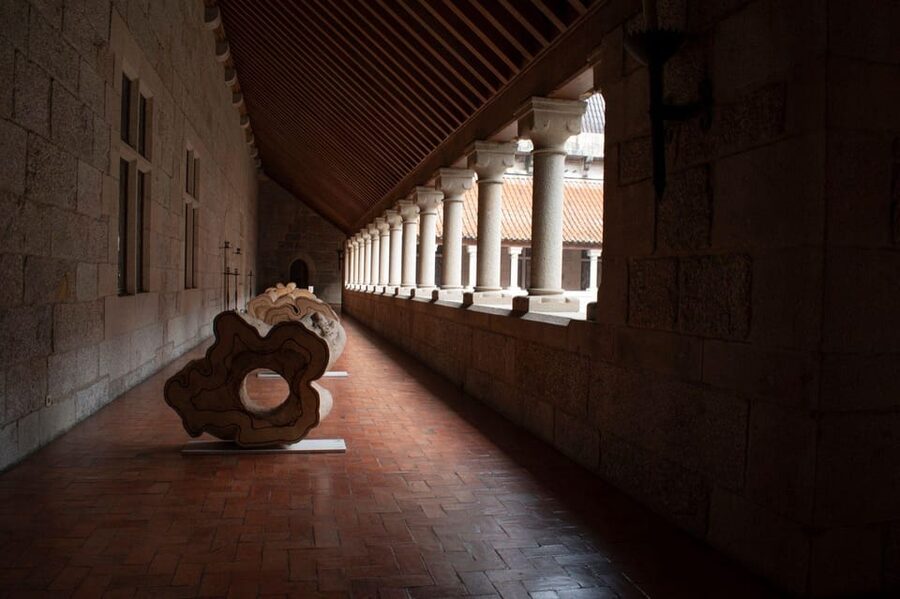
- Architecture you can read: 17th-century seigneurial style in rooms restored to match their former use
- Museum like a house: The permanent exhibition is organized space-by-space, so it feels lived-in
- Collections beyond the basics: Tapestry, porcelain, painting, plus furniture, sculptures, and weaponry
- A palace with a working present: One wing serves as the official residence of the Presidency of the Republic
- Photography rules: You can photograph, but no flash
Two cities in a day, Braga's shrines and Guimaraes' castle
- Guimarães: Castle of Guimarães Entry Ticket★ 3.8 · 75 reviews
- Sightseeing Tours by Electric Tuk-Tuk in Guimarães★ 4.8 · 49 reviews
- Guimarães: Palace of the Dukes of Bragança Entry Ticket★ 4.3 · 44 reviews
- Guimarães: Private Flexible Walking Tour in Historic Center★ 4.8 · 44 reviews
Where the Palace of the Dukes of Bragança fits in Guimarães
Guimarães is one of those Portuguese cities where history isn’t a theme. It’s the setting. The Palace of the Dukes of Bragança sits right in the center, so it works well as either your first stop (to set the tone) or your last stop (to slow down and digest what you’ve seen).
Even if you only have a day, this palace gives you a concentrated dose of how powerful families shaped Portuguese life. The palace connects directly to the House of Bragança story, including the fact that it’s tied to the palace roots of that family line. That kind of direct connection matters, because you’re not just looking at art from far away—you’re seeing how a place built by and for nobility shaped its own era.
The main ticket experience: what you really get for $5
The entry ticket (with the booking fee included) is designed for one day. It’s not a guided tour; you’re in charge of pacing. That’s good value, because the palace is the kind of attraction where stopping often pays off—especially when you want time to look at room details, textures, and how the spaces are laid out.
At around $5 per person, the cost is hard to beat for a museum located inside a major historic palace. And because the site is under renovation, the price is currently discounted. That’s a plus for your wallet, but it’s also your reminder to check what’s open when you arrive. Historic buildings rarely renovate without affecting some areas.
If you’re traveling with anyone who prefers structure but doesn’t want a full tour, this self-guided format can be a sweet spot. You get access to the palace, the museum collections, and a full day to explore—without being rushed by a group schedule.
Entering the palace: set your expectations for a restored home
This place is built to feel like you’ve stepped back in time. The 17th-century seigneurial architecture is the big headline, but the bigger win is how the rooms are presented.
The palace was built in the 15th century by D. Afonso, the 1st Duke of the House of Bragança. What you see today is the result of centuries of Portuguese history layering onto that original identity, and the museum focuses on the 17th and 18th centuries. So even though you’re standing in a specific palace building, the atmosphere you’re supposed to feel is that of a noble household during its later heyday.
What you should do when you walk in:
- Start by taking your bearings in the main halls before jumping into side rooms.
- Give yourself a minute to notice how each room seems to have a purpose, not just a display.
- Plan to go slower in the rooms with the heaviest collections, because the space is part of the story.
The permanent exhibition: walking room by room like a house guest
The permanent exhibition is designed so you feel like you’re visiting as a guest in a grand home. That’s not just marketing language. It shows in the way the palace is organized: each space is presented as a room with its own function, then furnished and interpreted to match that use.
This is where the experience becomes more than a quick look. Instead of seeing objects scattered across a museum floor, you experience the palace as a sequence of spaces—almost like you’re moving through someone else’s daily world, not just through an exhibit.
A practical tip: treat the exhibition like a house tour. In a real house, you’d linger at the spaces that matter—rooms where people met, lived, displayed wealth, or conducted affairs. Here, you’ll get more out of your visit if you follow that instinct instead of trying to rush through everything equally.




The collections that make it feel real: tapestries, porcelain, paintings, and more
The palace’s collections are one of the main reasons the ticket feels worthwhile. You’ll see excellent examples of:
- Tapestry
- Porcelain
- Painting
And then the museum rounds out the picture with furniture, sculptures, and weaponry. That combination is useful because it covers different sides of elite life: decorative display, daily objects, artistic taste, and status symbols that also speak to power and protection.
One smart way to approach this section is to pick two or three object types and spend extra time with them. For example, if you’re drawn to visual surfaces, focus on tapestry and painting first. If you like material culture, spend time on porcelain and furniture. You’ll still see everything, but you’ll also remember something.
Also, since flash photography is not allowed (no flash), you’ll want to be patient with lighting conditions. If you like photos, aim for non-flash shots and be ready for lower light in some rooms.
The palace’s 15th-century roots and the House of Bragança connection
The Palace of the Dukes of Bragança isn’t a random showpiece. It’s tied to the House of Bragança and to the life of D. Afonso, the 1st Duke of the House of Bragança, who built the palace in the 15th century.
That matters because it turns the visit into a story you can follow. You’re not just admiring 17th-century architecture in a vacuum. You’re seeing a building that’s associated with one of Portugal’s most important noble lines. The palace becomes a physical anchor for how power worked: who lived here, what they valued, how they displayed status, and how the family’s prominence played out over time.
If you’ve been reading about Portuguese history, you’ll feel the connection fast. If you haven’t, it’s still fine—you can simply treat the palace as the “origin point” for an era. The museum design supports that kind of entry-level understanding without forcing you to memorize dates.
A wing with modern relevance: the Presidency of the Republic residence
One detail I appreciate here is how the palace isn’t stuck in the past. The complex includes a wing that serves as the official residence of the Presidency of the Republic.
That doesn’t turn the palace into a political stop—it adds meaning to the architecture and the continued importance of the site. It’s a reminder that some buildings are maintained because they still serve a role, not because they’re only admired from afar.
When you’re touring, keep your eyes open for the contrast in how spaces feel and how they’re presented. Even if you don’t have technical descriptions in every room, the fact that a current official residence exists in the same overall property helps you understand why preservation matters.
Finishing strong: the palace gardens and slow time
After the rooms, the gardens are your reset button. You’ll have a more relaxed pace here—space to breathe after enclosed corridors and detailed displays.
Even if you’re not the type to linger in gardens, this part helps you leave with a fuller sense of place. Palaces weren’t only about indoor wealth. Outdoor areas were part of daily life, movement, and ceremony. The gardens let the palace breathe out after the museum rooms compress your attention.
Given the opening hours, I’d treat the gardens as an optional bonus you plan for rather than an afterthought. If you go late, you might feel rushed. If you go earlier, you can end the visit at a gentler pace.
Timing and practical tips for your visit window
The opening hours are 10:00 am to 6:00 pm, with last admission at 5:30 pm. Closed dates include January 1, Easter Sunday, May 1, June 24 (city holiday), and December 25.
Here’s how to use that information smartly:
- Go early if you want time to really look. Late-day visits can feel like a sprint, especially in historic interiors.
- If you’re photographing, remember flash is not allowed, so plan to spend more time composing shots rather than expecting to blast light.
- Check conditions because the palace is under renovation. Discounted prices often mean some areas may be less accessible than usual.
And one accessibility note: the site is not suitable for wheelchair users. If you’re traveling with mobility needs, plan for that reality before you commit your day.
Price and value: when $5 feels like a bargain
At $5 per person, this ticket is good value even before you consider the discounted pricing due to renovation. The reason it works financially is that you’re getting access to:
- the palace itself
- the permanent museum exhibition
- museum collections across multiple art and object categories
For the money, you’re not paying for just one room or one highlight. You’re paying for a structured walk through a whole palace environment, which takes time and rewards careful looking.
Compare that to pricier museum experiences that rely on one star attraction. Here, the value is in the total experience: architecture plus objects plus the house-like layout, plus the gardens at the end.
Who should book this palace ticket
This is a great fit if you:
- want a palace-and-museum combo in central Guimarães
- like self-guided exploring and can enjoy pacing yourself room by room
- enjoy decorative arts like tapestry and porcelain, plus paintings and historic objects
- appreciate how noble history shaped the built environment
It may feel less ideal if you need wheelchair-friendly access or if you’re specifically hoping for a full guided explanation. Since the ticket is admission-only, you’ll enjoy it more if you like reading and observing on your own.
If you’re planning a broader day around Guimarães, this palace is a smart anchor stop because it provides context before or after you explore the city’s streets.
Should you book the Guimarães Palace of the Dukes of Bragança ticket?
Yes, I’d book it if you want one focused day in Guimarães with real atmosphere and strong collections for a small price. The mix of restored rooms, major noble-line context, and the thoughtful way the permanent exhibition is arranged as a house makes this more than a quick stop.
Just go in with two practical expectations: the palace is under renovation right now, and it’s not suitable for wheelchair users. If those fit your plans, you’ll likely leave feeling like you actually understood the place, not just saw it.
FAQ
What is the price for the Palace of the Dukes of Bragança entry ticket?
The price is $5 per person, and it includes the booking fee.
How long should I plan for my visit?
It’s listed as a 1-day experience.
What are the opening hours?
The palace is open from 10:00 am to 6:00 pm, with last admission at 5:30 pm.
Which days is the palace closed?
It’s closed on January 1, Easter Sunday, May 1, June 24 (city holiday), and December 25.
Is a guided tour included with the ticket?
No. Food and drinks are not included, and a guided tour is not included.
What does the ticket include?
It includes entrance to the palace, access to the museum collections, and the booking fee.
Is flash photography allowed?
No, flash photography is not allowed.
Can I take photos without flash?
Yes, photography is allowed without flash.
Is the attraction refundable?
No. It is non-refundable.
Is it suitable for wheelchair users?
No, it is not suitable for wheelchair users.
Do I need to choose a specific start time?
It’s valid for 1 day, and availability shows starting times, so you should check what times are offered.
More Tour Reviews in Guimaraes




Tickets and the Porto Card
Day Trips to Braga and Guimaraes
Fresh in the Guimaraes notebook




Braga & Guimarães Day Trips, compared.
 ★ 4.6From Porto: Braga and Guimarães Full-Day TripFrom $593,951 reviews
 ★ 4.5Best of Braga and Guimaraes Day Trip from PortoFrom $712,552 reviews
 ★ 4.8Guimarães & Braga Tour with Entry Tickets and LunchFrom $123602 reviews
 ★ 4.8From Porto: Braga & Guimarães with Lunch Small Group TourFrom $146545 reviews
 ★ 5.0Braga & Guimarães Small Group Tour: Lunch & All Tickets IncludedFrom $145517 reviews
 ★ 4.7From Porto: Viana do Castelo, Braga and Guimarães Day TourFrom $51475 reviews
 ★ 5.0Guimaraes & Braga Small Group Tour with Lunch and TicketsFrom $127408 reviews
 ★ 4.5Day Trip Braga and Guimarães from PortoFrom $71237 reviews
Browse the lists this tour appears in