
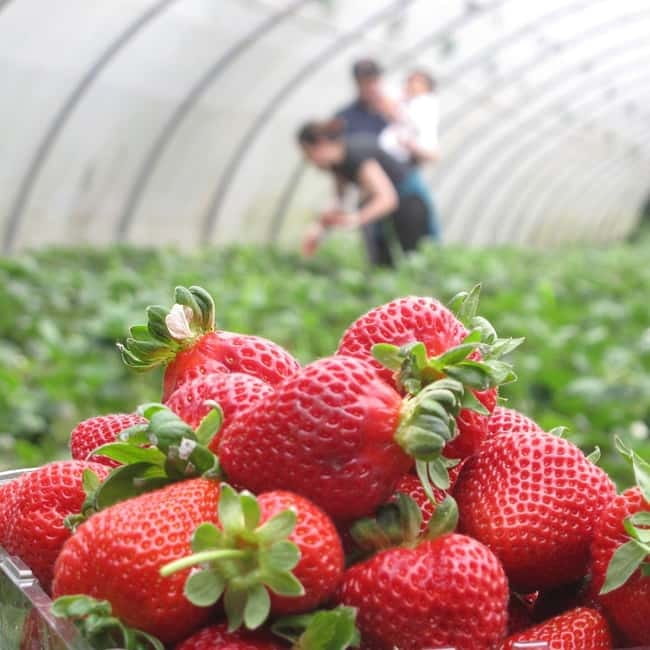
Reviewed · DOURO VALLEY VINEYARD TOURS
Douro Valley: Traditional Cooking Class, Farm Tour and Lunch
One forkful can change your whole mood. This is a hands-on farm-to-table experience at Quinta de Louredo where you cook, taste, and hear the family story tied to Portugal’s land. I especially like that the day mixes practical cooking skills with fresh ingredients you gather on-site.
The other big plus is the small group feel, with Fabio and his family guiding you like you’re visiting their home, not running through a checklist. One consideration: transportation isn’t included, and the farm sits up a steep, rural approach—so you’ll want to plan how you’ll get there.
In This Review
- What makes this day different
- Quinta de Louredo and why the Douro Valley feels personal
- The arrival spread: vinho verde, olive oil, cheeses, and farm-made snacks
- Farm tour and harvesting: animals, orchards, and ingredients you gather yourself
- The cooking class: a traditional three-course Portuguese meal you actually make
- What the class feels like in practice
- Food for dietary needs
- The shared meal: tasting your work with family-style conversation
- The wildfire rebuilding story: why your ticket means more than food
- Price and value: is $175 worth 4 hours?
- Getting there without stress: parking or train + taxi
- By car
- By train
- What to bring and how to get the most out of it
- Who should book Quinta de Louredo—and who should skip it
- Should you book this cooking class and farm tour?
- FAQ
- How long is the Douro Valley Traditional Cooking Class, Farm Tour and Lunch?
- What is included in the price?
- What languages does the instructor speak?
- Is transportation included?
- Is the group small?
- Is there free cancellation?
What makes this day different
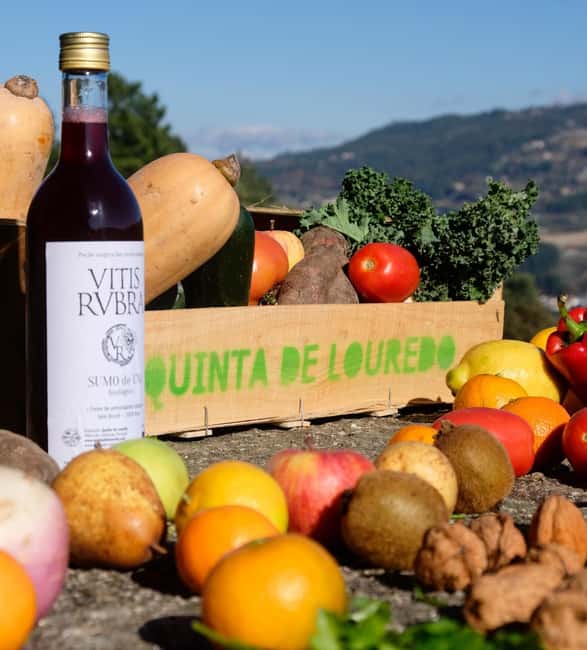
- Green wine + olive oil welcome: Start with local cheeses, olives, bread, and organic vinho verde-style tastings before you even put on an apron.
- Harvesting you can actually taste: You’ll tour the farm, meet the animals, and pick ingredients that end up on your plate.
- A real three-course cooking class: Not a demo. You chop, season, and plate a traditional Portuguese meal you share together.
- Family resilience baked into the meal: A wildfire a year ago forced major losses, and the day’s participation helps with rebuilding.
- Dietary needs can be handled: Gluten allergy accommodation has been done without shutting down the experience.
- A relaxed, recipe-light kitchen: It’s hands-on and conversational, with no printed recipe vibe—so come ready to learn by doing.
More vineyard days up the Douro, tasting by tasting
- Douro Valley: Traditional Cooking Class, Farm Tour and Lunch★ 5.0 · 28 reviews
Quinta de Louredo and why the Douro Valley feels personal
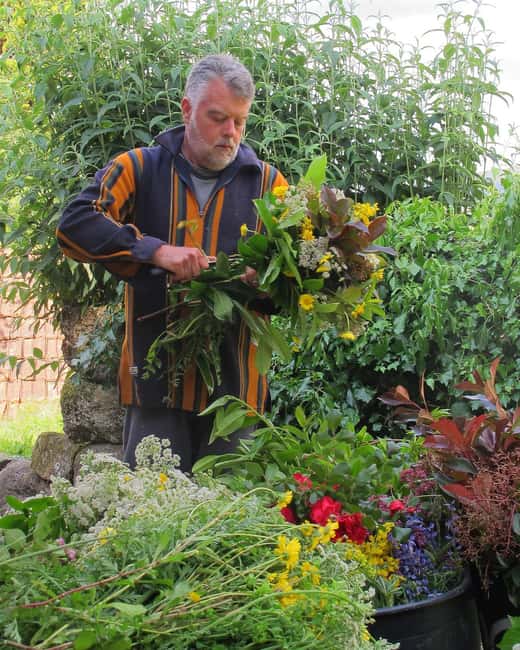
Quinta de Louredo is in Portugal’s Norte region, in the wider Douro Valley world where vineyards and hills are part of daily life. But the point here isn’t scenic postcard views. The real value is that you get a window into how a Portuguese farm family eats, works, and survives.
I like experiences like this because you’re not just consuming food. You’re meeting the people behind it, learning the rhythm behind it, and tasting how that land shows up in a soup, a cod dish, or a dessert.
You’ll spend about 4 hours at the farm. The group is limited to 10 participants, which matters more than you’d think. With a smaller group, you actually get time in the cooking action, and the conversation doesn’t vanish after introductions.
The arrival spread: vinho verde, olive oil, cheeses, and farm-made snacks
Before the tour, you’re welcomed with a spread that feels like brunch at a rural Portuguese home. Expect organic green wine and olive oil, then a rotation of local bites such as cheeses, olives, breads, and fresh juices. Honey, jams, and other farm-made products may show up too, depending on what’s ready that day.
This start is more than a perk. It’s a smart way to set context. By the time you’re tasting and chatting, you’re already thinking like a cook: what’s local, what’s seasonal, and what pairs well.
One practical detail: there’s wine included, and the vibe is relaxed. If you’re sensitive to alcohol or you’re coming with kids, you can still enjoy the food and conversation; the day isn’t built around heavy drinking. You’re there to eat, learn, and tour, not party.
Farm tour and harvesting: animals, orchards, and ingredients you gather yourself
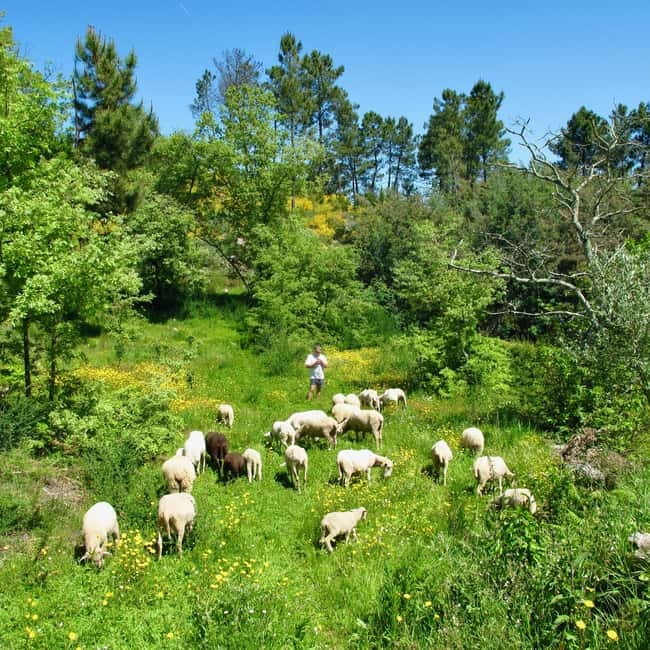
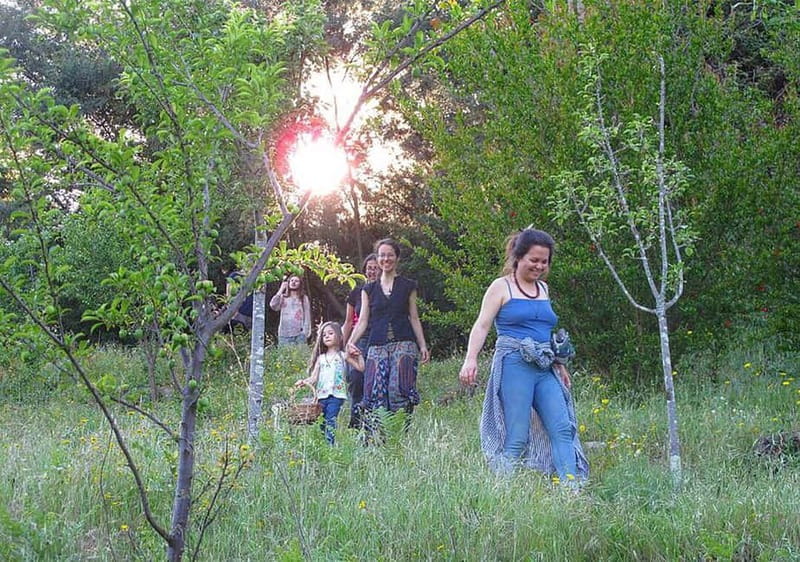
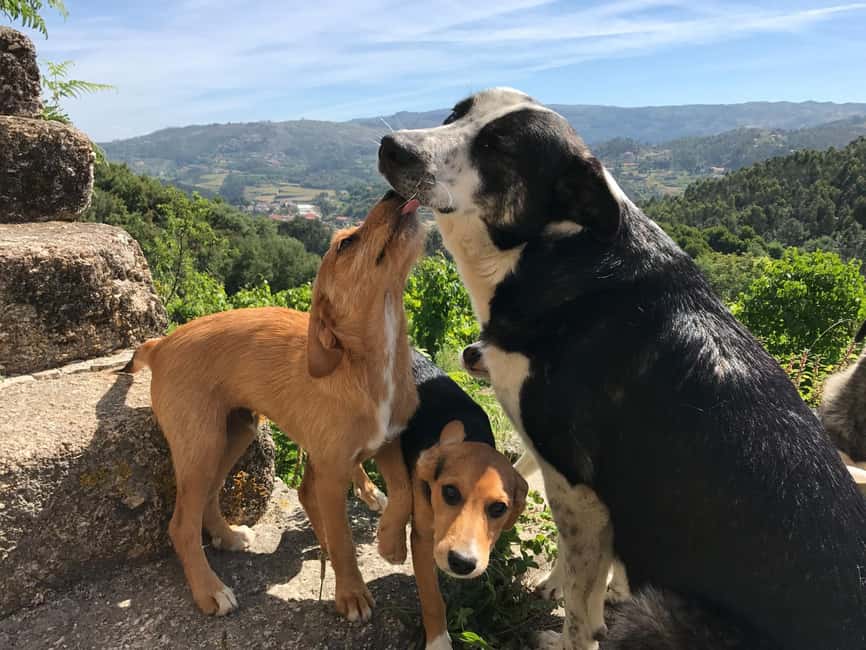
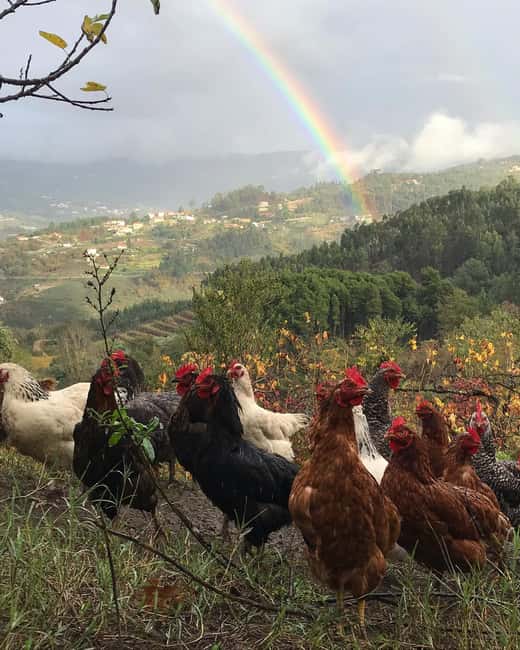
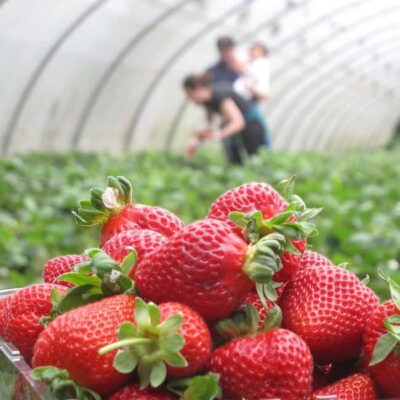
After the welcome, you step into the farm. You’ll walk through the land, meet the animals, and get your hands on harvesting. What you pick depends on the season, but past days have included fruit like strawberries, and ingredients such as eggs and lemons that later show up in the cooking.
You may also get smaller nature moments—like sampling fruit straight from trees or noticing herbs growing where you’d never expect them. Some days include fresh verbena tea from the farm, which is one of those details that makes your memory stick.
Here’s what makes the tour genuinely useful: you’ll see how farm ingredients shape the food. You’ll talk about farming choices and the day-to-day realities of working a real property, not a staged attraction.
And yes, it’s family-friendly. Kids tend to love running around, meeting animals, and feeling useful. This isn’t a “sit quietly and watch” kind of outing.
The cooking class: a traditional three-course Portuguese meal you actually make
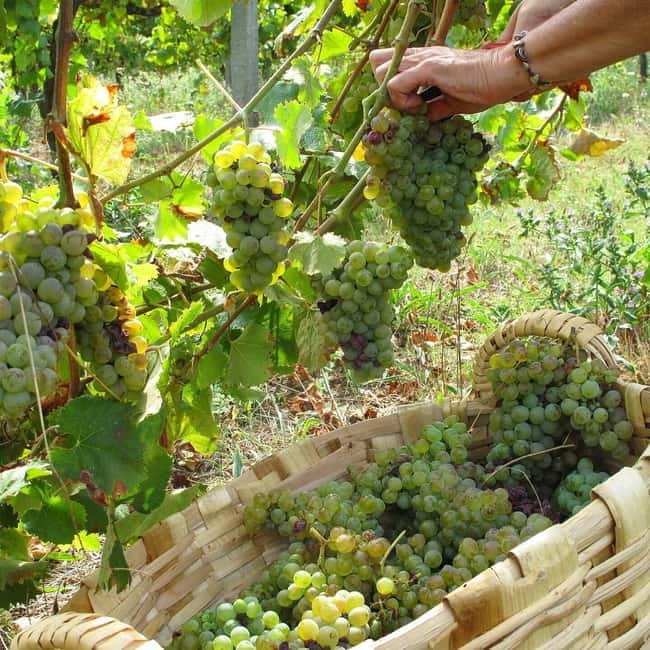
Now for the part most people book for: the cooking. This is a traditional Portuguese three-course meal, prepared together in the family kitchen style. The teaching is hands-on, not scripted.
The menu you cook can vary, but you should be prepared for classic Portuguese comfort flavors. Based on what’s been cooked on prior days, you may make something like:
- a tomato-onion soup with a poached egg
- a codfish main (often paired with fries)
- egg-based desserts, including lemon custard-style options and sweet egg noodle desserts
That last detail—eggs—keeps coming up, and it makes sense when you’re also getting eggs from the farm. It’s a satisfying loop: you see where ingredients come from, then you turn them into something you’ll remember for years.


What the class feels like in practice
Expect chopping, mixing, and assembling—plus plenty of conversation. Fabio’s approach is relaxed. One theme that shows up often is that there aren’t printed recipes in the usual way. You learn by doing and by listening to how he explains flavors and techniques.
This is a plus if you like to cook rather than watch. It’s a mismatch if you want a strict step-by-step recipe format you can recreate later. Still, if your goal is authentic food understanding, this style works well.
Food for dietary needs
If you have dietary restrictions, don’t assume you’ll be left out. Gluten allergy accommodation has been handled without ruining the experience. Still, it’s smart to message ahead so the kitchen can set you up properly.
The shared meal: tasting your work with family-style conversation
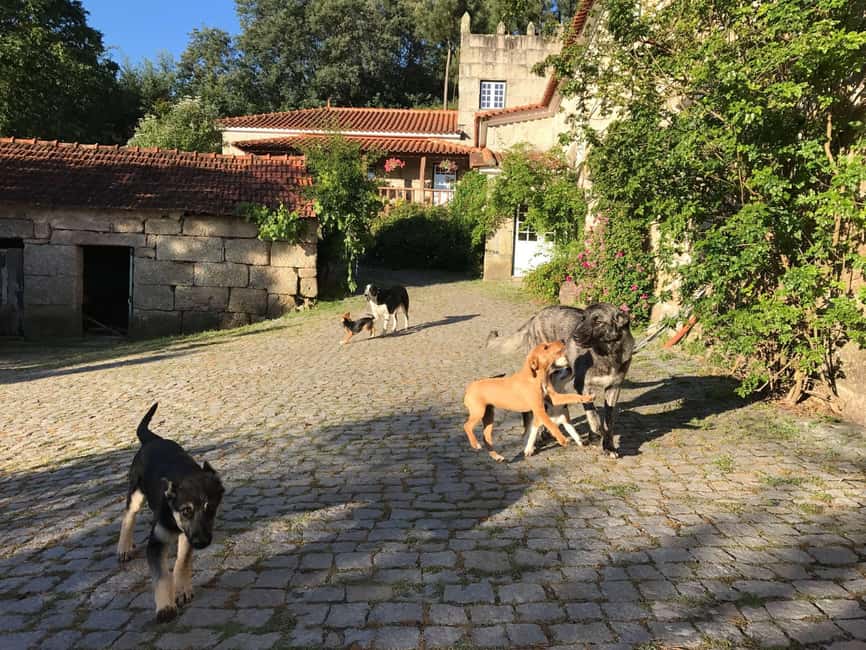
After cooking, you eat what you made—together. This is not a quick “here you go” lunch. You sit down with the group and share the meal in a warm setting that matches the farm atmosphere.
This part matters because cooking classes can turn into a stressful blur: chop fast, eat later, forget the why. Here, the shared meal slows things down. You get to taste fully, talk with Fabio and others at the table, and connect the dishes to the farm life you just saw.
It also helps that the earlier tastings prime your palate. When you move from cheeses, olives, and bread to soup and cod, you’re already trained to notice salt, acidity, and how wine fits into a Portuguese meal.
The wildfire rebuilding story: why your ticket means more than food
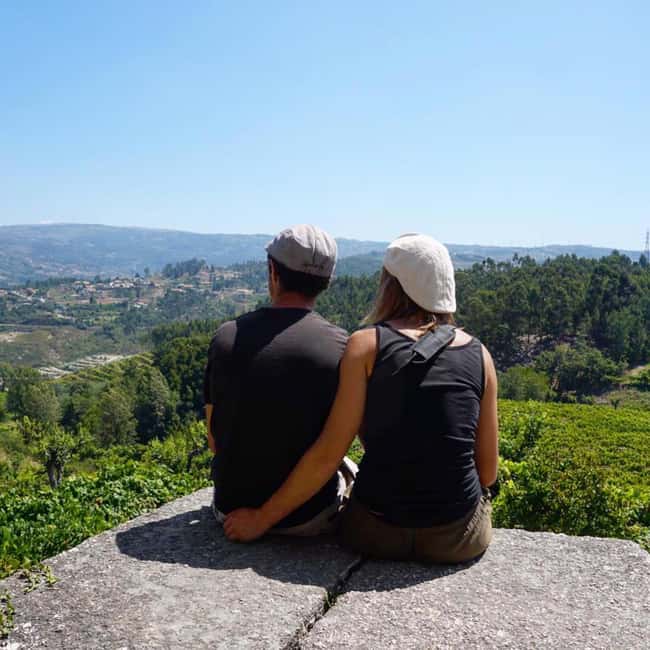
The day carries weight. A year earlier, a wildfire caused major damage and loss—nearly everything was taken. And before that, Fabio’s father, Alfredo, began the farm’s legacy.
Fabio ties the experience to rebuilding. Joining the class helps support the farm’s restoration, one step at a time, with the day’s meals acting like both celebration and contribution.
I like that the story isn’t presented like a sad lecture. It’s woven into the practical details: why certain areas look the way they do, what’s being rebuilt, and how the family continues working the land despite setbacks.
It can feel emotional at points, but it’s also hopeful. You leave with fuller stomachs and a clearer sense of how communities recover when nature hits hard.
Price and value: is $175 worth 4 hours?
At $175 per person, this isn’t a bargain-basement activity. But when you price it out like you would a real meal + access + instruction, the value starts to make sense.
You’re getting:
- a farm tour tied to real harvesting and animal encounters
- a three-course cooking class with active participation
- a shared meal made from what you picked
- wine included with the welcome
- small-group time (up to 10 people) with real host attention
- multilingual instruction (Portuguese, English, French, Spanish)
If you compare it to a paid cooking class in a city, the difference is the setting. Here, you’re not just cooking in a kitchen. You’re learning where the ingredients come from, then eating them with the people who grow them.
The biggest “cost” isn’t money—it’s effort to get there. Transportation isn’t included, and that steep rural approach can make last-mile logistics worth planning carefully.
Getting there without stress: parking or train + taxi
Transportation is not included, so think about how you’ll reach the farm before you book. The good news: you’ve got options.
By car
When you arrive at the bottom of the hill, you can park right in front of the farmhouse. The host team comes to meet you outside.
This is the simplest method, especially if you want zero waiting around.
By train
Take the train to Marco de Canaveses (about a one-hour scenic ride). Then it’s a short taxi ride up to the farm. The hosts can arrange that taxi for you at your cost.
One key practical tip: message in advance so the taxi is ready when you arrive. Some drivers in this area may not speak English well, and pre-arranging saves time and avoids awkward back-and-forth.
Also, plan to pay in cash if you’re offered that option on-site.
What to bring and how to get the most out of it
This is a working farm. You’ll be walking, harvesting, and spending time outdoors before you cook.
I recommend:
- sneakers or shoes with grip
- sunscreen, especially if the day is bright
- an appetite (you won’t just sample; you’ll eat what you cook)
- a light layer in case the air cools as you move around
If you’re traveling with kids, bring them energy and patience. The setting is built for them to move and explore, but you’ll still be doing a structured cooking lesson and meal.
Who should book Quinta de Louredo—and who should skip it
This experience is ideal if you want:
- a hands-on cooking day, not a lecture
- a farm setting where animals and harvesting are part of the point
- authentic Portuguese flavors, including classic dishes built around eggs, cod, and tomato-based soups
- a small-group feel and real conversation
- a meaningful way to support rebuilding after wildfire
It may not be your best match if:
- you only want urban sightseeing and don’t want rural travel
- you’re short on time and can’t handle the last-mile trip to the farm
- you prefer food experiences with no outdoor walking or farm contact
Should you book this cooking class and farm tour?
If you’re choosing between a standard tasting menu and this farm day, I’d lean toward Quinta de Louredo—because you’re paying for access, cooking instruction, and an atmosphere that can’t be replicated in a restaurant.
Book it if you’re curious about how Portuguese farm food becomes a meal, and if you like experiences where you leave knowing names, stories, and techniques. If you’re comfortable planning transportation and you’re ready to get a little hands-on, this is the kind of half-day that tends to become your trip’s favorite memory.
FAQ
How long is the Douro Valley Traditional Cooking Class, Farm Tour and Lunch?
The experience lasts 4 hours.
What is included in the price?
It includes the instructor, farm tour, cooking lesson, a 3-course meal, and wine.
What languages does the instructor speak?
The instructor speaks Portuguese, English, French, and Spanish.
Is transportation included?
No. Transportation is not included. You can reach the farm by car with parking in front of the farmhouse, or by train to Marco de Canaveses followed by a short taxi ride.
Is the group small?
Yes. It’s limited to a small group of up to 10 participants.
Is there free cancellation?
Yes. You can cancel up to 24 hours in advance for a full refund.
More Tour Reviews in Porto District

The Douro Valley, More Ways to Taste It
Fresh in the Porto District notebook
Douro Valley Vineyard Tours, compared.
 ★ 4.7From Porto: Douro Valley w/ Boat Tour, Wine Tasting & LunchFrom $8219,061 reviews
 ★ 5.0Complete Douro Valley Wine Tour with Lunch, Wine Tastings and River CruiseFrom $10112,920 reviews
 ★ 4.7Douro Valley with Winery Lunch, Tastings & CruiseFrom $997,002 reviews
 ★ 4.9From Porto: 2 Wine Regions, Farm-to-Table Lunch & BoatFrom $945,724 reviews
 ★ 5.0Douro Valley: Historical Sites, Wine Experience, Lunch & CruiseFrom $1075,133 reviews
 ★ 5.0Authentic Small Group Douro Wine Tour with Lunch & River CruiseFrom $1334,775 reviews
 ★ 5.0Douro Valley Small-Group Tour with Wine Tasting, Lunch and BoatFrom $1693,642 reviews
 ★ 5.0Douro Valley Tour: 2 Vineyard Visits, River Cruise, Winery LunchFrom $1013,542 reviews
Browse the lists this tour appears in