
Reviewed · FOOD & DRINK
Unveiled Secrets of Porto + Olive Oil Tasting
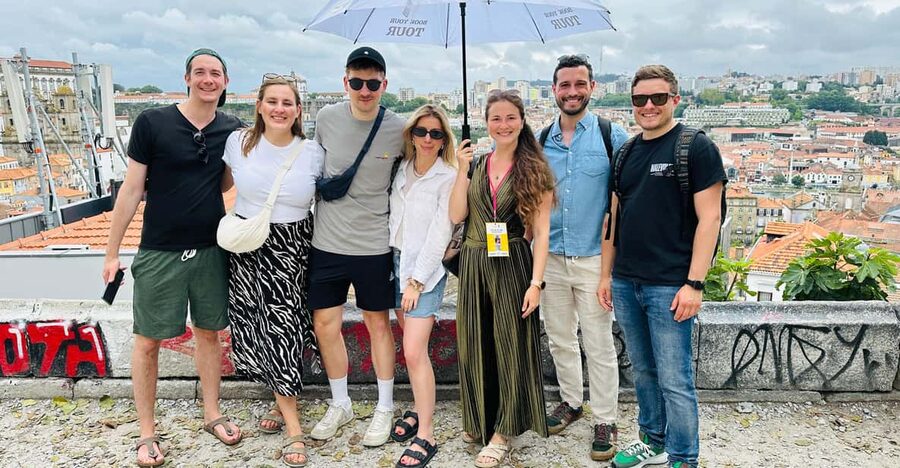
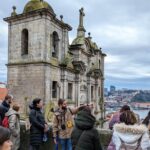
Lapa Church opens the day like a side door into Porto. You get a guided walk that mixes mystery stops (Lapa Brotherhood and its cemetery) with the kind of big, visual city landmarks most people skim. I especially like how the tour turns churches, tiles, and museum rooms into a story you can actually follow.
Two things I’d highlight: the Olive Oil Tasting at the end teaches you what to look for, not just what to taste, and the guide time inside MMIPO (Porto’s “Portuguese Louvre” inside the oldest charity institution) gives you a calmer, more meaningful view than a quick photo stop. The only drawback to plan around is simple: it’s a 3-hour route, so you’ll move at a steady pace and you may have less time for wandering off to explore on your own.
In This Review
- Key highlights worth your attention
- Lapa Church start: you get placed in the story early
- Cemitério da Lapa: symbols, legends, and why people remember it
- Praça da República to Capela dos Pestanas: quick hits that keep the momentum
- Trindade Porto and Avenida dos Aliados: the spiritual and civic center
- São Bento Station murals: the story behind the tiles
- MMIPO: Porto’s “Portuguese Louvre” without the rush
- Olive oil tasting: what to notice before you buy
- Optional Palacio da Bolsa: gold-leaf payoff if you want more
- Brunch and the finish at Praça do Infante D. Henrique
- Price and pace: is $63 for 3 hours good value?
- Should you book Unveiled Secrets of Porto + Olive Oil Tasting?
- FAQ
- Where does the tour start?
- How long is the tour?
- What is included in the price?
- Is Palacio da Bolsa included?
- What languages are available?
- Is there ticket-line skipping?
- Is free cancellation available?
Key highlights worth your attention
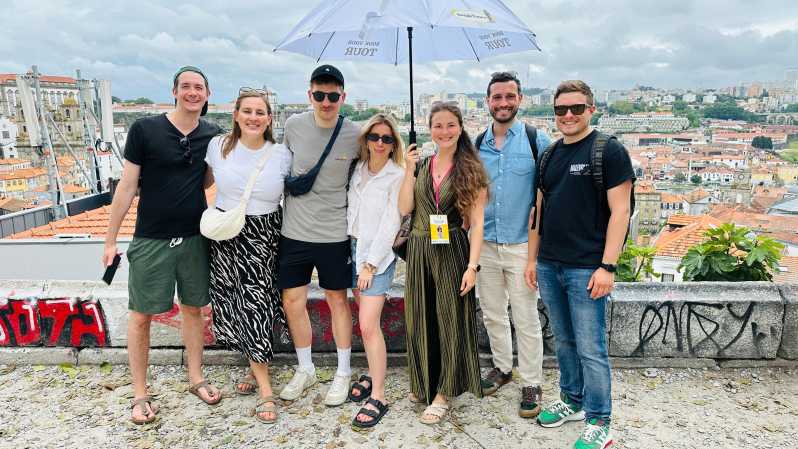
- Lapa Brotherhood and the Ancient Cemetery with cryptic symbols and spooky love-story energy
- Trindade Experience in Porto’s spiritual-and-civic heart
- São Bento Station where you hear what the murals don’t explain for you
- MMIPO Museu da Misericórdia do Porto (Porto’s “Portuguese Louvre”) inside an old charity institution
- Local olive oil tasting that teaches you how to spot real quality fast
More Porto days out worth booking
- From Porto: Douro Valley w/ Boat Tour, Wine Tasting & Lunch★ 4.7 · 19,061 reviews
- Douro Valley Small-Group Tour with Wine Tasting, Lunch and Boat★ 5.0 · 3,642 reviews
- Porto: Cálem Cellar Tour, Fado Show & Wine Tasting★ 4.4 · 3,530 reviews
- Porto: Cockburn’s Port Lodge Tour and Tasting★ 4.8 · 3,360 reviews
Lapa Church start: you get placed in the story early
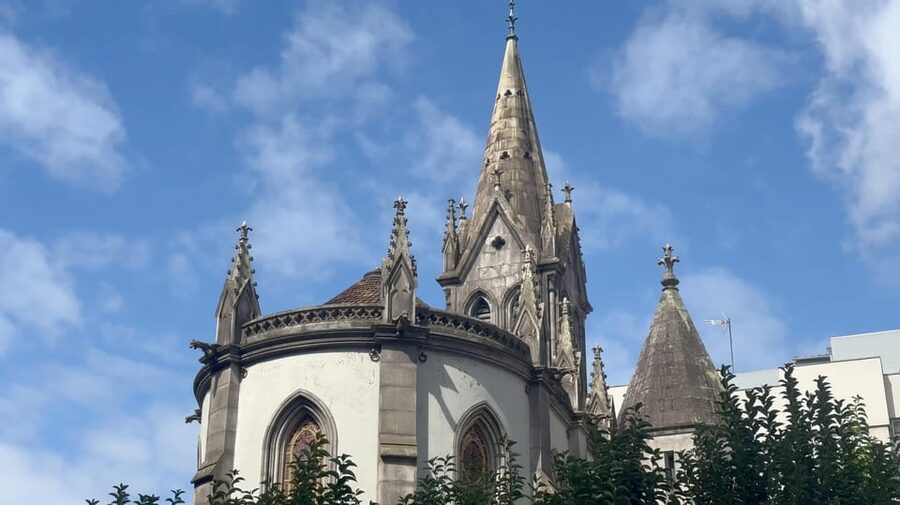
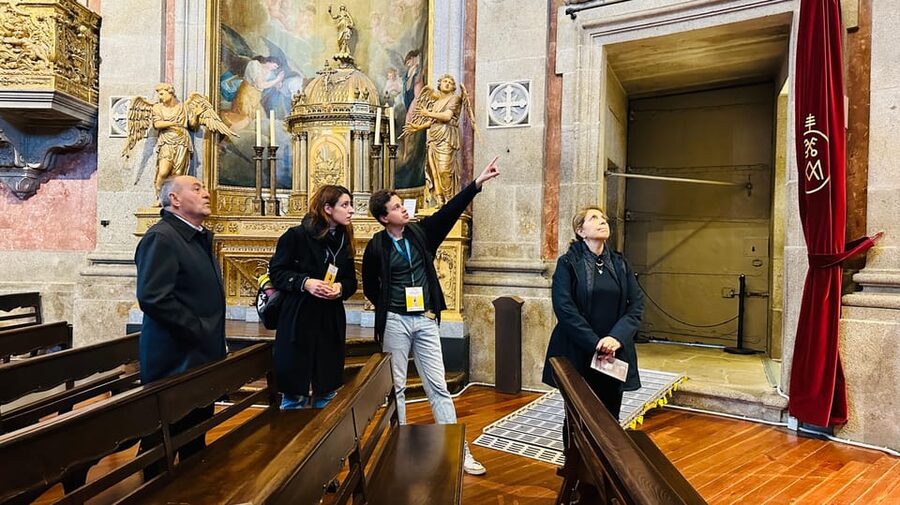
The tour starts at the Igreja da Lapa, right in front of the church entrance. That matters because Porto is great, but it can also feel like you’re always one corner away from getting slightly lost. From the first stop, you’re guided into the why behind what you’re seeing, rather than just ticking off sights.
The first guided portion is focused and short, so you don’t waste time standing around reading plaques. You’re set up for the main emotional payoff right after: the Lapa Brotherhood area and the cemetery. Even if you’re not chasing ghost lore, this part works because it’s structured like a narrative: symbols, legends, and dramatic human stories that make the cemetery feel less like a background attraction and more like a living memory.
If you’ve got a group with mixed interests, this is also a solid start. Architecture fans get ornate details and atmosphere. Curious history buffs get explanations that connect the religious and civic sides of Porto. And anyone who gets bored easily gets payoff quickly, since the tour keeps moving.
One practical note: wear shoes you trust. This is a walk-heavy day across city-center streets, plus you’ll be inside and outside churches and museum spaces. If the weather is bad, having comfy, grippy footwear keeps the day easy instead of annoying.
Cemitério da Lapa: symbols, legends, and why people remember it
This is the heart of the “unveiled secrets” idea. You’ll visit the cemetery connected to the Lapa Brotherhood with guided time inside the Ancient Cemetery area. The atmosphere is built on cryptic symbols, ornate tombs, and stories that feel theatrical—there are dramatic love stories and ghostly legends that the guide ties to what you’re seeing.
What I like about this stop is that it doesn’t treat the cemetery like just a spooky postcard. The tour frames it like a place where people left meaning behind—symbols you can learn to recognize, and stories you can understand without needing a specialist background. You’re not just looking at decoration. You’re getting context for why certain marks, designs, and arrangements matter.
There’s also a real emotional rhythm to the visit. After the guided church time, you transition into the cemetery area and the pace shifts. That’s a good design for a short tour: it helps the experience land, instead of being rushed into a blur.
A consideration: cemeteries and cryptic, symbolic places can be intense for some people, especially if you’re visiting with kids who get scared easily. If you’re traveling with younger family members, it’s worth noting that at least one guide (Oleksandra) has adapted to a family’s pace in very poor weather, which suggests you won’t feel forced into a one-size-fits-all schedule.
Praça da República to Capela dos Pestanas: quick hits that keep the momentum
After the Lapa cemetery area, the tour moves through central viewpoints. You’ll pass by Praça da República and then stop briefly near Capela dos Pestanas. This part is shorter, but it’s not random.
Think of it as connective tissue. It helps you build a mental map of where you are in Porto—what’s close, what lines up, and what you should prioritize next. These quick segments are useful if you don’t want to spend your whole afternoon only inside buildings. Porto’s streets matter too, and the tour uses the walks to set up the bigger cultural stops.
You’ll also get small “this is why it matters” moments, which is the real value of guided walking. Instead of treating every street as background, you understand which streets connect to the next landmark and what to look for when you arrive.
If you’re hoping for long photo breaks, this section will feel more like transit than hanging out. But for a 3-hour tour designed to cover multiple top cultural stops and include olive oil tasting, the short pacing is what makes it possible.
Trindade Porto and Avenida dos Aliados: the spiritual and civic center
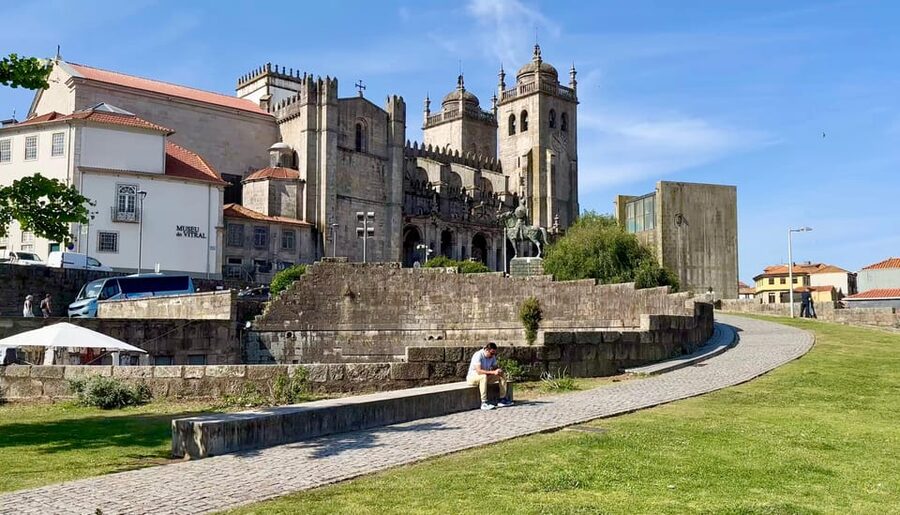
The next guided block is Trindade Experience at the Trindade Church. The description is exactly what you’ll feel when you’re there: the guide frames it as Porto’s spiritual and civic heart—grand, bold, and full of surprises. Even if you’ve visited other Portuguese churches before, this one is taught as more than a pretty interior.
It’s also a “meaning stop.” You’re not just absorbing visual beauty. You’re learning how civic life and spiritual life can share space and identity in older cities like Porto. That makes the visit more memorable, especially if you tend to forget things once you leave a building.
From there, you walk down Avenida dos Aliados, one of those classic avenues where Porto energy concentrates. The guide’s job here is to keep your attention off the phone and onto the details: what the city is projecting, how the street connects to major landmarks, and what to expect when you reach the next stop.
The nice thing is that this isn’t just about sightseeing. It’s about sequencing. Trindade sets the tone, Aliados gives you scale and orientation, and then the route heads toward the art-and-history storytelling at São Bento.


São Bento Station murals: the story behind the tiles
Yes, São Bento Station is famous for its tiles hall. But this tour does something more practical than repeating the obvious. When you’re there, you’ll hear the stories that the murals don’t say on their own—secrets of construction, hidden meanings, and real-life drama tied to what you’re seeing.
That’s a big reason this type of tour feels worth it. You leave understanding how a visual wall becomes a narrative device. You’re not just admiring decoration. You’re learning how the city communicates history through design.
This stop also works because it’s a break from silent museum attention. You can stand back, look, and listen. The tile scenes give you something to focus on while the guide talks, so you’re not stuck trying to follow abstract explanations while moving.
After that, you continue through central streets like Rua das Flores. It’s a short walk, but it helps you feel the city’s everyday layer instead of only touching the showpiece attractions. Porto’s center is compact enough that you can connect the dots fast with a guided route.
There’s a reason tours like this feel better than a DIY sprint: you get a guided rhythm where each stop sets up the next.
MMIPO: Porto’s “Portuguese Louvre” without the rush
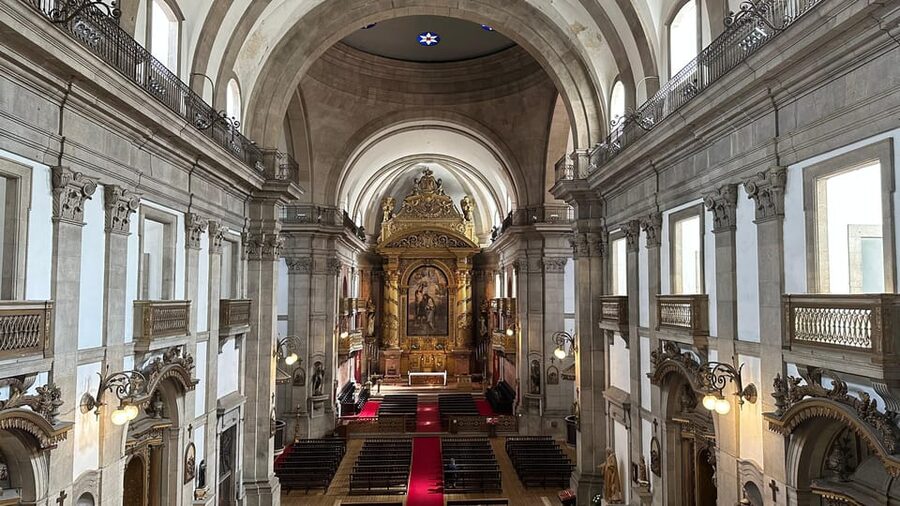
Now you shift into MMIPO Museu da Misericórdia do Porto—the “Portuguese Louvre,” but in a specific, grounded way. The tour frames it as sacred relics and stunning art inside Porto’s oldest charity institution. That combination—religious context plus art plus a charity mission—gives the museum time a different emotional tone than a typical museum visit.
The guided time here is about quality of attention, not volume. You get time to understand what you’re looking at and why it’s housed there. When a museum is tied to an institution that has served people for a long time, it changes how you interpret the objects. They feel less like collectibles and more like part of a social story.
This is also one of the best spots in the route for slow down energy. After Lapa’s symbolic intensity, Trindade’s civic-spiritual feel, and São Bento’s tile narrative, MMIPO is where the day becomes reflective. You’re inside, guided, and able to focus.
One practical note: museum spaces can be cooler and quieter, which is a nice break if the weather outside is rough. If you’re traveling in shoulder season or in rain (Porto loves to test umbrellas), this kind of timed indoor stop helps keep the day comfortable.
Olive oil tasting: what to notice before you buy
The final highlight is the Local Olive Oil Tasting—and this is where the tour earns its place even if you’re not a “museum person.” You’ll discover the taste of real olive oil and learn how to spot quality, then savor it with guidance from local experts.
What makes this part valuable is the teaching angle. Instead of letting it be just a sample, you learn the basics of what to look for and how to connect flavor to real quality. That matters because most tourists don’t know how to buy olive oil with confidence. They end up picking a label they recognize or something that’s discounted.
A tasting guide helps you build taste memory. After you’ve had the lesson in a structured session, shopping becomes easier. You’ll also be able to order olive oil on instinct in Portugal instead of treating it like a mystery ingredient.
If you’ve got food lovers in your group, this end segment often becomes the most fun part. It’s sensory, relaxed, and it gives everyone something to talk about on the walk to brunch.
Optional Palacio da Bolsa: gold-leaf payoff if you want more

If you choose the optional stop, the tour adds Palacio da Bolsa. It’s described as having gold-leafed halls and the dazzling Arab Room, presented as a palace of power, ambition, and beauty. This isn’t a random add-on. It’s a shift from religious and civic spaces to a place built around influence and prestige.
This option is a good fit if you like dramatic interior design and want one last architectural hit before your food break. It also balances the day: Lapa feels mysterious, Trindade feels symbolic and public, São Bento feels narrative, MMIPO feels reflective—Palácio da Bolsa adds a different kind of spectacle.
If you’d rather keep the day lighter, you can skip it and still get the key experiences: Lapa, Trindade, São Bento, MMIPO, and the olive oil tasting.
Brunch and the finish at Praça do Infante D. Henrique
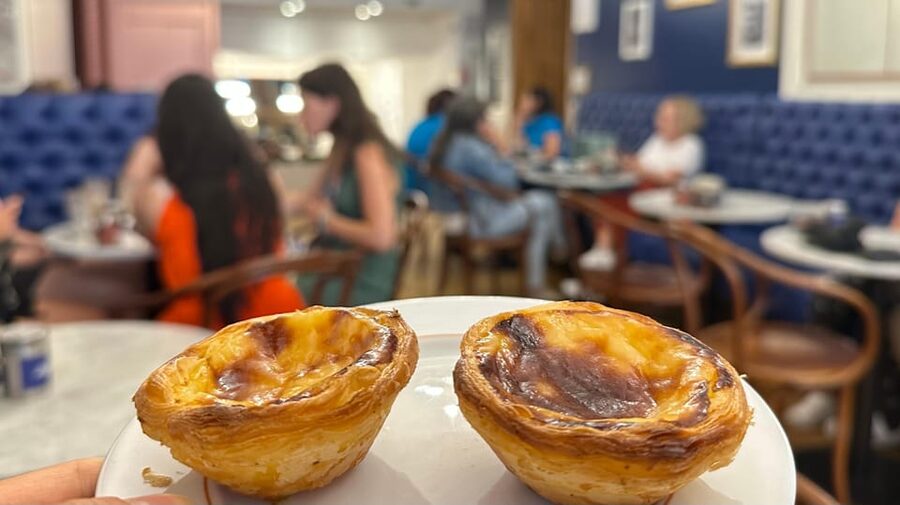
After the museum and olive oil, you’ll head to a local restaurant for brunch with regional food for about 30 minutes. That timing works. You’re not rushing to eat at the very start, but you also don’t end the tour so late that you’re starving and cranky.
It’s also a good moment to slow down and ask questions you didn’t have time for earlier. Guides tend to share practical tips here—what to try next, what area makes sense for your remaining time, and how to avoid wasting time.
The day ends at Praça do Infante D. Henrique. That finish is smart because it puts you in a central area where you can keep exploring after the tour without feeling stranded on the edge of town.
Price and pace: is $63 for 3 hours good value?
At $63 per person for about 3 hours, this tour looks like value if you care about guided context and if you want a structured route. You’re not just paying for walking. The ticket and guided time covers the Lapa Brotherhood, Trindade Experience, MMIPO Museu da Misericórdia do Porto, and the Stock Exchange Palace and tour portion if you choose the optional stop.
You also get the olive oil tasting, which alone can cost money when booked separately. And you get a restaurant brunch portion at the end.
Where you should be realistic: 3 hours is not “slow travel.” This is a concentrated circuit. So if your dream day is wandering with no schedule, you might feel a little squeezed. But if you want Porto in one organized afternoon—mystery, art, tiles, and then food—that format works.
The guide quality seems to matter too. One verified booking praised Rui for being strong on history and art, and another booking praised Oleksandra for answering questions and matching the family’s pace when weather turned rough. That flexibility is a big part of why this tour rating is strong.
Should you book Unveiled Secrets of Porto + Olive Oil Tasting?
Book it if you want a guided Porto day that mixes atmosphere with learning: Lapa’s cemetery mystery, Trindade’s church setting, São Bento’s story behind the tiles, and MMIPO inside Porto’s old charity institution, capped with an olive oil tasting that helps you buy smarter later.
Skip it (or keep your expectations smaller) if you hate walking, need lots of free time to linger, or you’re sensitive to spooky symbolic settings like the cemetery. Also decide in advance whether you want the optional Palácio da Bolsa; it’s the kind of extra you’ll feel only if you’re ready to keep going.
If you’re traveling with kids, ask questions early and plan for the pace. The tour’s guided nature suggests your guide can adapt, but you’ll still be moving through several stops in a short window.
FAQ
Where does the tour start?
The guide waits in front of the entrance to Igreja da Lapa (Lapa Church).
How long is the tour?
It lasts about 3 hours.
What is included in the price?
It includes Lapa Brotherhood entrance and guided tour, Trindade Experience guided tour, Misrecordia Museum (MMIPO) guided tour, Porto city-center tour, and olive oil tasting. The Stock Exchange Palace portion is optional.
Is Palacio da Bolsa included?
Palacio da Bolsa (Former Stock Exchange) and its guided tour are optional.
What languages are available?
The live guide is offered in English, Portuguese, Spanish, Russian, and Ukrainian.
Is there ticket-line skipping?
Yes, the tour includes skip-the-ticket-line entry.
Is free cancellation available?
Yes. You can cancel up to 24 hours in advance for a full refund.
More Food & Drink in Porto






More Tour Reviews in Porto


Fresh in the Porto notebook



Food & Drink, compared.
 ★ 4.7From Porto: Douro Valley w/ Boat Tour, Wine Tasting & LunchFrom $8219,061 reviews
 ★ 5.0Douro Valley Small-Group Tour with Wine Tasting, Lunch and BoatFrom $1693,642 reviews
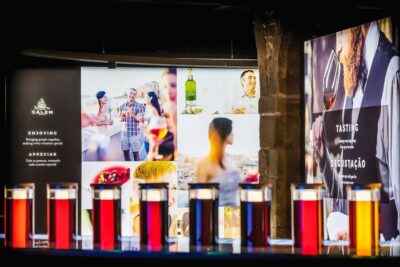 ★ 4.4Cálem Cellar Tour, Fado Show & Wine TastingFrom $333,530 reviews
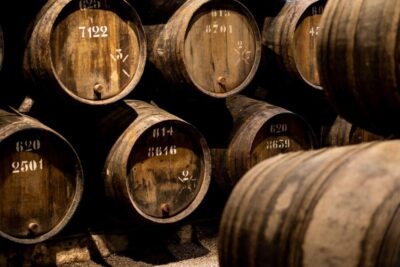 ★ 4.6Taylor’s Port Cellars & TastingFrom $293,374 reviews
 ★ 4.8Cockburn’s Port Lodge Tour and TastingFrom $353,360 reviews
 ★ 4.7Douro Valley Tour with Wine Tasting, Cruise and LunchFrom $762,714 reviews
 ★ 4.5Douro Valley Tour: Wine Tasting, Cruise and Lunch from PortoFrom $842,645 reviews
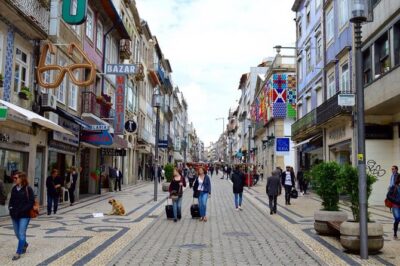 ★ 5.0Porto Food & Wine Tasting Tour with Lunch or Dinner OptionFrom $832,303 reviews
Browse the lists this tour appears in