
Reviewed · SIX BRIDGES RIVER CRUISES
Port : Sail, Sip & Savor : Douro Boat Tour With Wine Tasting
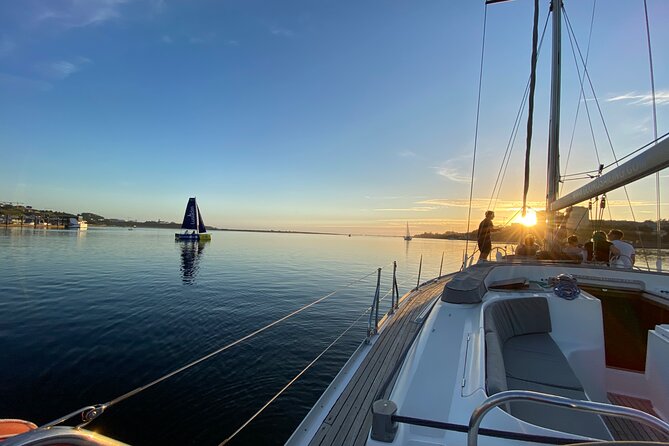
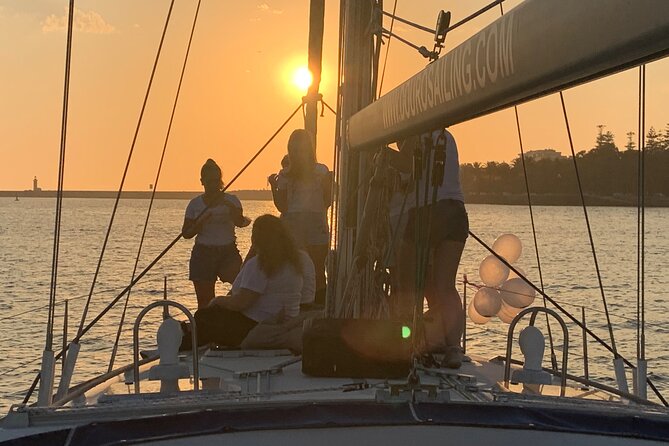
Two hours on the Douro can change your Porto. This small Porto-to-Gaia sailing mixes classic sights, quick history stops, and a wine tasting that feels unhurried—especially when the sky turns gold.
You’ll get an intimate vibe on the water, with real personality from the crew (Inês on hosting and António on the captain duties), plus thoughtful touches like snacks and comfort for cooler evenings.
What I like most is the way the route ties together Porto’s icons without making the whole thing a classroom. I also love that the group stays small, so you’re not shouting across a deck, and you can actually hear the stories and ask questions.
One possible drawback: if you’re the type who wants constant landmark-by-landmark narration, this tour can feel more relaxed than “checklist guided.” And if weather shifts, the longer sea-side portion may get adjusted, meaning you may spend more time closer to the river sights than farther out.
In This Review
- Key highlights you’ll notice right away
- Where the cruise really starts: Marina da Afurada in Vila Nova de Gaia
- The 2-hour rhythm: short stops, long views
- Arrábida Bridge: a steel-and-concrete landmark over moving water
- Dom Luís I Bridge: Porto’s signature view from the lower deck perspective
- Ribeira (Cais da Ribeira): the UNESCO riverfront trade street
- Alfândega Porto Congress Centre: modern Porto appears between the classics
- Reserva Natural Estuário do Douro: birds first, city second
- Rabelos boats: how Port wine used to travel
- Museu do Carro Elétrico: electric vehicles, old power station, and one-line history
- Wine tasting and snacks: what’s included and why it feels like good value
- What it’s like on board: small group energy and crew-led storytelling
- Best time to go: sunset is the obvious choice, but mornings work too
- Quick practical tips so you enjoy every minute
- Who should book this Douro boat tour (and who may want a different format)
- Should you book Sail, Sip & Savor: Douro Boat Tour with Wine Tasting?
- FAQ
- How long is the Douro boat tour?
- What’s included in the price?
- Where do I meet the tour?
- What group size should I expect?
- What happens if the weather is poor?
- Is service allowed for people traveling with service animals?
Key highlights you’ll notice right away
- Small group size (max 10) keeps the sail calm and personal
- Inês + António make the history feel practical, not stiff
- Wine tasting with snacks gives you something to sip without rushing
- Sunset-friendly timing plus comfort extras help you stay out longer
- Douro estuary nature views connect the city to the river’s wildlife story
- Rabelo boat context explains how Port wine moved before modern roads
Other ways to ride the river past the six bridges
- Complete Douro Valley Wine Tour with Lunch, Wine Tastings and River Cruise★ 5.0 · 12,920 reviews
- Porto: 6 Bridges Douro River Cruise★ 4.3 · 6,472 reviews
- Porto: Guided Tour by Tuk-Tuk & Optional Douro River Cruise★ 4.5 · 5,980 reviews
- Authentic Small Group Douro Wine Tour with Lunch & River Cruise★ 5.0 · 4,775 reviews
Where the cruise really starts: Marina da Afurada in Vila Nova de Gaia
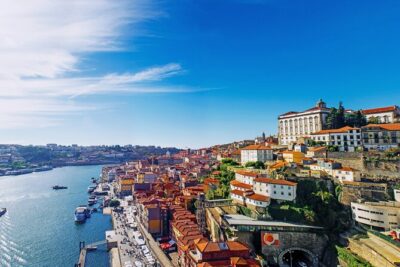
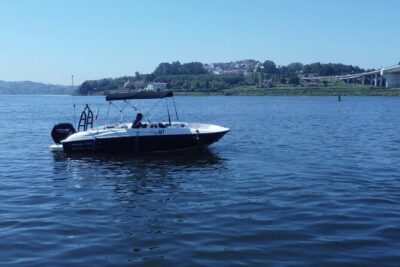
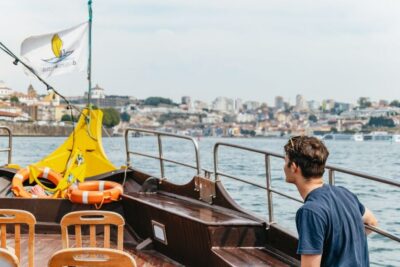
Most Porto “bridge cruises” start in the middle of the postcard. This one begins a bit differently—at Marina da Afurada on the Gaia side. That matters because you’re watching Porto’s riverfront build into view rather than just seeing it from one angle.
Gaia also gives you a sense of the old Port ecosystem. Porto is the city face; Gaia is where a lot of the wine industry lived and worked. Starting here makes the wine tasting feel less random and more tied to place.
The meeting point is easy to understand in real-world terms: you’re at a marina. Plan to arrive with a little buffer so you’re not hunting for the exact dock number while everyone boards.
The 2-hour rhythm: short stops, long views
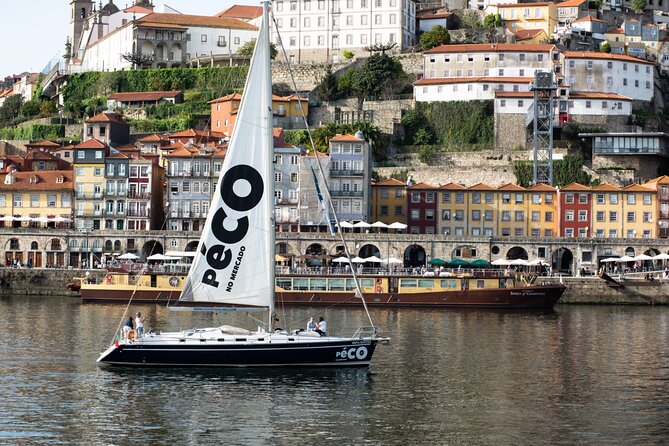
This tour runs about two hours, which is the sweet spot for first-time visitors who want a “feel” for the Douro without committing a whole day. The itinerary is built from several very specific river-city anchor points, but the pace stays light—think cruise-past moments plus quick context from the crew.
That relaxed rhythm is a plus if you’re traveling at a walking pace all day and your feet need a break. It can be a minus if you expect a constant, detailed narration every time the boat turns toward a landmark.
Also, keep in mind that the experience depends on conditions. This is a boat on a real river—wind and waves can shift what’s possible. If the plan for a broader water run is unsafe, the route can be adjusted, and you’ll still be out there seeing the city from a different view.
Arrábida Bridge: a steel-and-concrete landmark over moving water
One of your first big sights is the Ponte da Arrábida, the bridge that links Porto with Vila Nova de Gaia. It’s not just a way to get from A to B—it’s an example of how Porto’s river crossings expanded as traffic grew over the decades.
The fun detail here is the bridge’s scale and engineering era. It was completed in 1963, and at the time it had the largest armed concrete arch shape in the world. So when you see it from the water, you’re looking at a moment when Porto decided it needed a bigger future.
If you like architecture, this is the kind of sight that makes the cruise feel more than scenic. It also helps you orient yourself as you head toward the more famous Dom Luís I bridge.
Dom Luís I Bridge: Porto’s signature view from the lower deck perspective
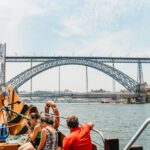
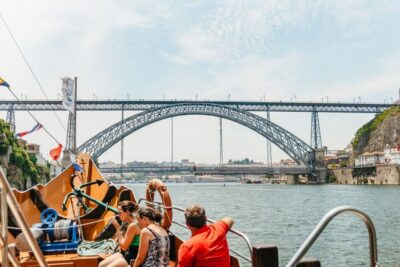
No Porto skyline moment hits the same from inside a car. From the river, Dom Luís I Bridge becomes the centerpiece—built in metal, with the upper and lower decks separating the “city levels” visually.
This bridge is about 395 meters long and roughly 8 meters wide, and it’s still one of the iconic images of Porto. The bridge was designed by Théophile Seyrig, following the architectural style of Gustave Eiffel, which you’ll feel when you notice how light the structure looks against the water.
The best part is the way it frames the riverfront. Even if you’ve seen photos, the real view lets you understand scale and positioning—where the city sits above the river, and how Gaia counters it on the other bank.
More Porto days out worth booking



Ribeira (Cais da Ribeira): the UNESCO riverfront trade street
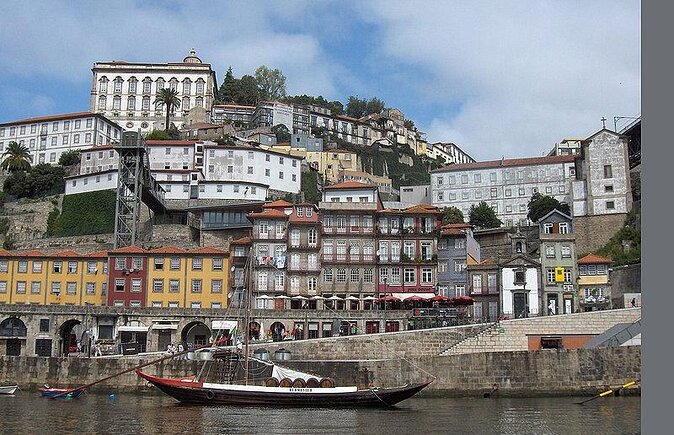
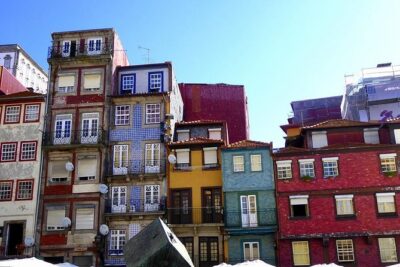
When the cruise reaches Cais da Ribeira, you’re seeing one of Porto’s oldest and most characteristic zones. Ribeira is part of Porto’s Historic Center and sits in a UNESCO World Heritage area tied to medieval origins and long-term river trade.
This is the place where the city’s river life makes sense. You can almost picture the movement of goods and people along the waterfront over centuries, because that’s still the logic of the streets and the waterfront.
One of the most interesting local stories linked to this area is the legend of the Duke of Ribeira, known for saving people from drowning. There’s a memorial connection near the Louis I Bridge area, which gives this part of the tour extra emotion beyond “pretty buildings.”
Alfândega Porto Congress Centre: modern Porto appears between the classics
Not every moment on the cruise is medieval romance. You also pass by Alfândega Porto Congress Centre, which signals the modern side of Porto’s river life.
I like this contrast because it prevents the cruise from turning into a single-note experience. The river isn’t just a museum floor—it’s still a working geography, and Porto keeps layering new functions onto the waterfront.
This stop is more “view and context” than “big visit,” but it helps you read the city as a living place, not just a backdrop.
Reserva Natural Estuário do Douro: birds first, city second
The Douro Estuary natural reservation is the kind of thing most visitors miss while they chase bridge photos. Here, the focus is on wildlife and migratory routes—especially the birds passing through along the East Atlantic Flyway route.
You’ll see why the setting matters: this reserve includes a stretch of water and land near Afurada, with areas like Cabedelo and São Paio Bay. The itinerary notes that there’s a way to access the area via a suspended pavement, so the reserve can be observed without you needing to hike inland.
Even if you don’t step out of the boat for bird-watching, the context is valuable. It reframes the river as an ecosystem, not just a scenic corridor.
Rabelos boats: how Port wine used to travel
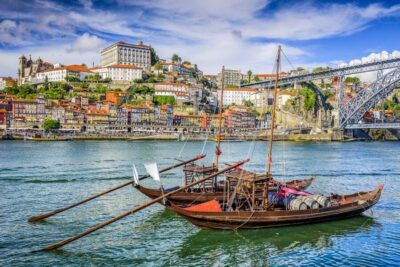
Next up is the story of rabelos boats, the classic wooden vessels that for decades transported Port wine between the Douro wine region and the cellars of Vila Nova de Gaia.
This is where the tasting starts to feel grounded. Before modern roads and railways, wine barrels moved by river because that was the only practical route. And it wasn’t easy—before dams, the Douro could be tricky, with currents and narrow passages that demanded experienced sailors.
The itinerary includes a timeline detail that I find especially telling: it’s thought the last voyage for transporting Port wine happened around 1964 after the railway line completed. That gives you a neat sense of how quickly transportation tech can change local industries.
Museu do Carro Elétrico: electric vehicles, old power station, and one-line history
The tour also touches the area of Museu do Carro Elétrico, a museum that preserves electric cars and rail-based public transport history in Porto. It began in 1992, and the setting is part of the charm: the museum is housed in a building where the Massarelos Thermoelectric Central operated, built in 1915.
From the cruise perspective, you’re likely seeing the museum as another landmark dotting the shoreline. But if you enjoy history, this is a good “bookmark” for later.
Also, the museum info points to a practical follow-up: when you’re in Porto, the electric tram Line 1 is a great way to experience old-fashioned transit while enjoying views. If you’re already doing the river tour in the evening, it’s easy to build a museum/tram add-on for the next morning.
Wine tasting and snacks: what’s included and why it feels like good value
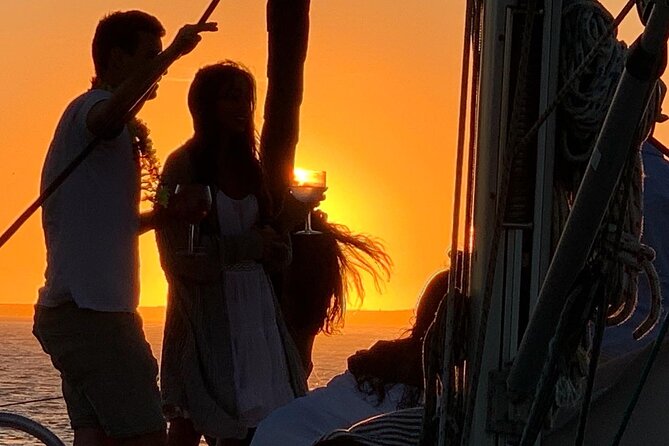
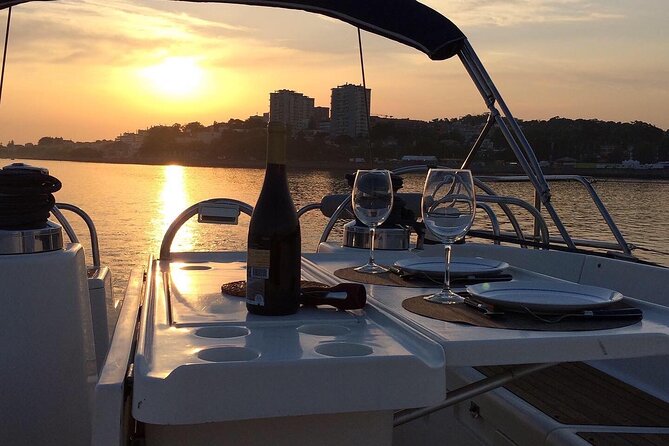
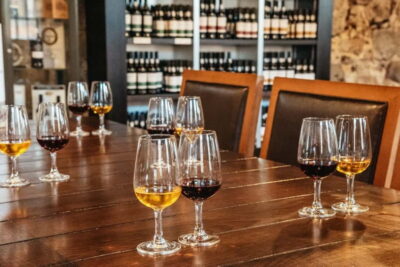
This is a Sail, Sip & Savor tour for a reason. The wine tasting is paired with snacks, which keeps the vibe casual and friendly. The experience is built around enjoying the Douro first, then tasting, not the other way around.
In reviews, tawny port shows up often—served as a welcoming drink alongside snacks. You may also find that the crew is willing to help you choose what to buy next if you want to extend the tasting, and some guests report you can purchase additional drinks, including wine, during the experience. Some people also bring their own drinks, which can be handy if you have specific preferences.
What I like about the structure is that you’re not stuck at a tasting counter. You sip while your eyes keep moving—bridges, riverfront, and the changing light. That’s how a tasting becomes part of the travel memory instead of a brief stop.
If you’re doing sunset, plan for cooler air off the water. Reviews mention blankets being provided, which is exactly the kind of practical comfort you want on a riverside cruise when temperatures drop.
What it’s like on board: small group energy and crew-led storytelling
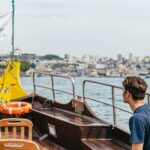
This tour is capped at 10 travelers, and that affects everything. With smaller groups, the boat stays quieter. You hear the guidance better, and the crew can actually notice if someone wants a recommendation for dinner or what to do the next day.
The host pairing of Inês and António comes up again and again. Inês is described as friendly and engaging, with historical context and practical tips. António’s role as captain shows up as professional and welcoming, and guests often mention that the experience feels smooth and comfortable.
Other small comfort details show up too: there’s mention of a restroom on board, and some departures include music while you sail. These are the kinds of “small” things that turn a good tour into an easy one—especially when you’re on the water for a full two hours.
Best time to go: sunset is the obvious choice, but mornings work too
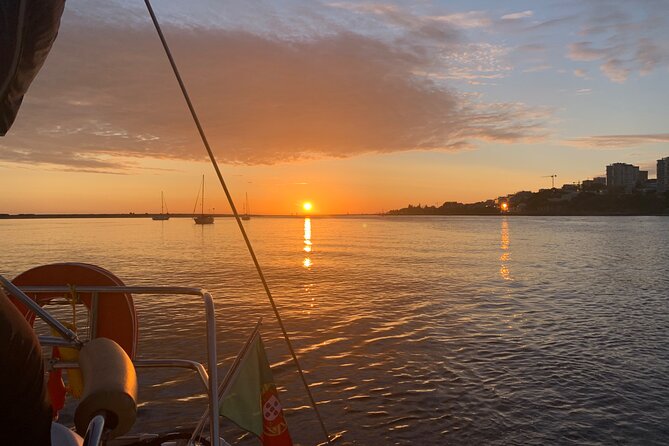
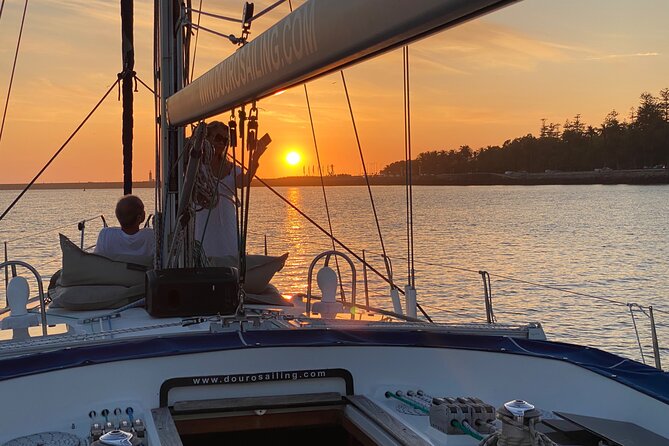
Most people think of Porto at sunset for a reason: the river light softens the edges of buildings and makes the bridges look twice as cinematic. Reviews strongly point toward sunset as a favorite, with blankets helping people stay out comfortably.
That said, the tour isn’t only a sunset thing. Some guests go at 10am and still describe it as calm and memorable, especially when weather opens up. If you hate crowds and want clearer photos without darkening skies, a daytime departure can work nicely.
If weather is iffy, remember the tour depends on good conditions. If poor weather forces changes, you’ll get either a different date or a refund option, depending on the situation.
Quick practical tips so you enjoy every minute
First, wear layers. Porto can be warm inland and cool on the water, especially near evenings.
Second, bring your camera, but also keep it away at key moments until you’re sure you have the right angle—Dom Luís I and Ribeira look best when you hold steady and let the boat line up with the bridge.
Third, don’t be shy about asking Inês questions while you’re cruising past landmarks. The tour’s value is partly the storytelling, and the crew tends to share more than just facts.
Finally, if you’re a light sleeper, you’re on a boat, so motion can be soothing. One review notes a moment when the narration felt less active and the guest drifted off. If you want maximum engagement, ask for the “main landmarks” as you go, then check in with the crew if you want more detail.
Who should book this Douro boat tour (and who may want a different format)
Book it if you want a romantic, scenic, not-too-formal intro to Porto and Gaia. This is ideal for couples, small groups, and families who want something relaxing with enough structure to feel meaningful.
It’s also great if you like history but don’t want a rigid walking tour. The stories connect bridges, river life, and the wine transport legacy without turning the trip into an exam.
Consider another tour if your idea of a perfect tour is constant guidance at every landmark and long stops for photos and explanation. The pace here is relaxed, and while the crew shares context, it’s not a nonstop narration show.
Should you book Sail, Sip & Savor: Douro Boat Tour with Wine Tasting?
I think this is a strong booking for most first-timers in Porto—especially if you care about seeing the city from the water and you want a small-group experience with real crew personality. The pairing of wine tasting + snacks makes it feel like a complete outing, not just “standing on a boat with a view.”
The two biggest reasons to book are the intimacy (max 10) and the fact that you get both skyline moments and river identity: bridges, Ribeira’s trade history, the estuary’s wildlife, and the Port shipping story tied directly to what you’re tasting.
If you’re flexible on weather and you like your tours calm and human, this one earns a place on your Porto short list. If you’re chasing a very structured, heavy narration experience, you might be happier with a longer guided itinerary that includes more land stops.
FAQ
How long is the Douro boat tour?
It lasts about 2 hours.
What’s included in the price?
The tour price includes the sailing experience, wine tasting, and snacks, with the tour offered in English.
Where do I meet the tour?
The meeting point is Marina da Afurada, R. da Praia 430, 4400-554 Vila Nova de Gaia, Portugal. The tour ends back at the same meeting point.
What group size should I expect?
The tour has a maximum of 10 travelers.
What happens if the weather is poor?
This experience requires good weather. If it’s canceled due to poor weather, you’ll be offered a different date or a full refund.
Is service allowed for people traveling with service animals?
Service animals are allowed, and the tour notes it’s near public transportation and that most travelers can participate.
More Tours in Porto
More Tour Reviews in Porto

Back on the River, Bridge by Bridge

Fresh in the Porto notebook

Six Bridges River Cruises, compared.
 ★ 5.0Complete Douro Valley Wine Tour with Lunch, Wine Tastings and River CruiseFrom $10112,920 reviews
 ★ 4.2Six Bridges CruiseFrom $2111,680 reviews
 ★ 4.36 Bridges Douro River CruiseFrom $236,472 reviews
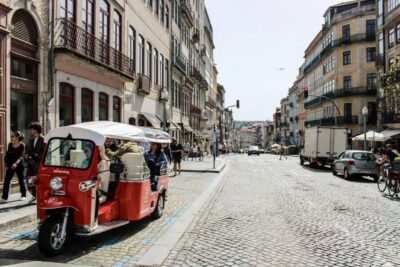 ★ 4.5Guided Tour by Tuk-Tuk & Optional Douro River CruiseFrom $205,980 reviews
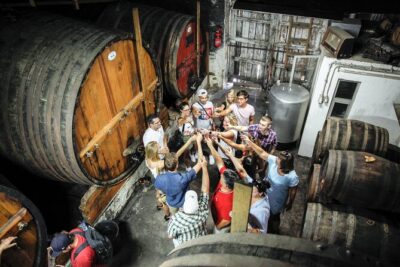 ★ 5.0Authentic Small Group Douro Wine Tour with Lunch & River CruiseFrom $1334,775 reviews
 ★ 4.2Bridges Cruise & Sunset & Port Wine Cellar OptionFrom $214,180 reviews
 ★ 4.3River Douro 6 Bridges CruiseFrom $174,168 reviews
 ★ 5.0Douro Valley Tour: 2 Vineyard Visits, River Cruise, Winery LunchFrom $1013,542 reviews
Browse the lists this tour appears in