
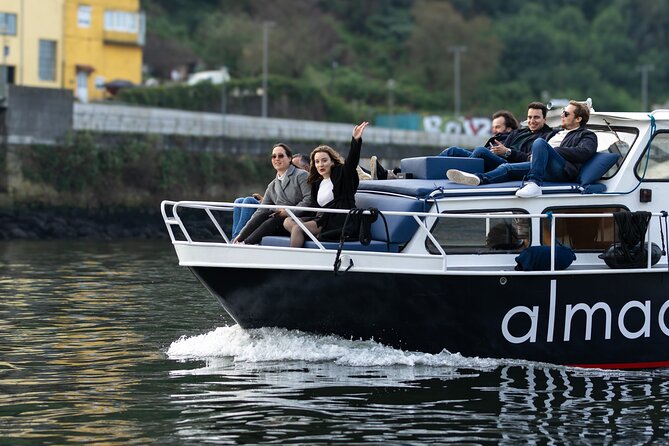
Reviewed · SIX BRIDGES RIVER CRUISES
Port : Douro Cruise, 6 Bridges & 4 Port Wines (Max 7)
Six bridges, four ports, and real Porto stories.
I really like how this Douro cruise keeps things small (max 7) and personal, starting right at Marina da Afurada in Vila Afurada. You get a guided run past big sights like Dom Luis I Bridge, the Serra do Pilar monastery, and the route out toward the Atlantic, with hosts Nadia and Paulo telling crisp, human-scale stories in English (plus helpful food pairings with the port). The port tasting isn’t a lecture. It’s more like you’re learning what to taste while you glide by the city.
The main thing to consider: it’s not recommended for reduced mobility.
Key points at a glance
- Max 7 people on board means more time for questions and less “look but don’t talk” cruising.
- 4 port wines plus food pairings so the tasting actually has a point.
- You’ll pass major Porto-and-Gaia icons, including Dom Luis I Bridge and D. Maria Pia Bridge.
- You also get views tied to UNESCO (Serra do Pilar Monastery) and dramatic river engineering.
- The route reaches the Douro Estuary area and the mouth of the Douro near the Atlantic.
- This is run by a husband-and-wife team (Nadia and Paulo), and the vibe feels local, not scripted.
In This Review
- Starting at Marina da Afurada: the easiest way to get oriented fast
- Past Torre dos Clérigos and Ribeira: the “postcard Porto” you can actually see
- Dom Luis I Bridge: where Porto and Gaia feel like they touch
- Serra do Pilar Monastery: UNESCO inside an “austere” shell of stone
- D. Maria Pia Bridge and Gustave Eiffel’s engineering flex
- Douro Estuary Nature Reserve: birds and salt marsh instead of just buildings
- Port wines and food pairings: what you’re really getting (beyond sipping)
- Who should book this Douro cruise with 6 bridges?
- Practical tips for getting the most from your 2 hours on the river
- Should you book the Alma Douro 6 Bridges & 4 Port Wines cruise?
- FAQ
- How long is the Douro cruise?
- What is the price per person?
- How big is the group?
- What language is the tour offered in?
- Where does the tour start?
- Where does the cruise end?
- Does the tour include port wine tasting?
- Is the Dom Luis I Bridge part of the experience?
- What if weather is bad?
- Is this tour good for people with reduced mobility?
Starting at Marina da Afurada: the easiest way to get oriented fast
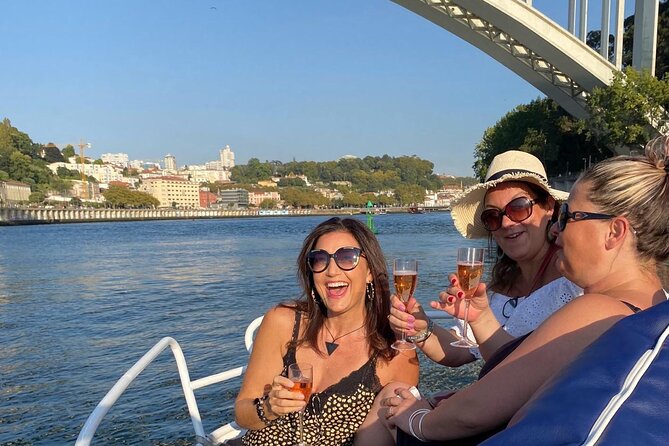
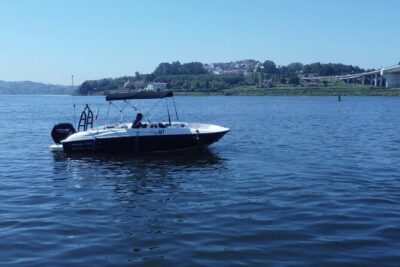
Your trip kicks off at Marina da Afurada in Vila Nova de Gaia, which is convenient because you’re already on the water side of Porto’s river story. Starting here matters: you’re not doing a bus transfer just to reach the “real” part. You’re there, and the river sights start happening right away.
This is also one of those tours where group size quietly changes everything. With a maximum of 7 people, you’re less likely to feel like you’re being herded. You’ll also have better chances to hear the guide over the water noise and ask questions when something grabs your attention.
About timing: the duration is about 2 hours. That’s short enough to fit into a busy Porto day, but long enough to notice the shift from tightly packed city views to wider river water—and then out toward the mouth of the Douro.
Other ways to ride the river past the six bridges
- Complete Douro Valley Wine Tour with Lunch, Wine Tastings and River Cruise★ 5.0 · 12,920 reviews
- Porto: 6 Bridges Douro River Cruise★ 4.3 · 6,472 reviews
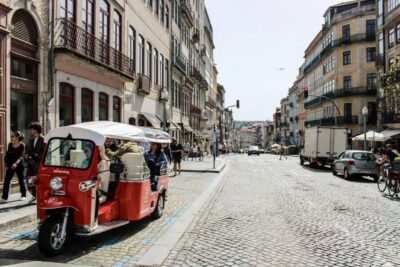
- Porto: Guided Tour by Tuk-Tuk & Optional Douro River Cruise★ 4.5 · 5,980 reviews
- Authentic Small Group Douro Wine Tour with Lunch & River Cruise★ 5.0 · 4,775 reviews
Past Torre dos Clérigos and Ribeira: the “postcard Porto” you can actually see
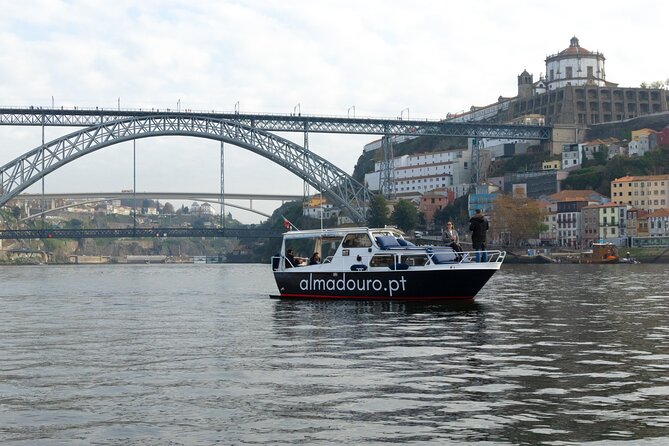
One reason this cruise works is that it connects Porto’s skyline to the river in a way you can’t get from the streets. Early on, you’re guided with landmarks in mind, including the Clérigos Tower (Torre dos Clérigos). This bell tower was completed in 1763, designed by Italian architect Nicolau Nasoni, and the tour description includes a 225-step climb option for panoramic views. Even if you’re only seeing it from the water, the guide’s context helps you understand why it was built as a landmark for ships and a strategic point over time.
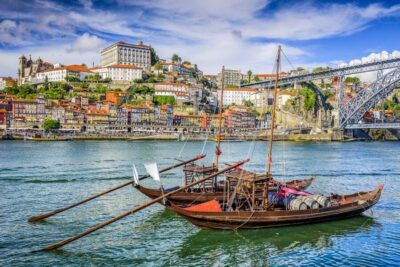
Then there’s Ribeira, which is basically Porto’s “colors, life, and history” district along the river. This area is famous for a reason, but seeing it from the Douro adds a missing layer: you feel the geography. The waterfront isn’t just pretty buildings; it’s how the city used to trade, watch, and connect.
Dom Luis I Bridge: where Porto and Gaia feel like they touch
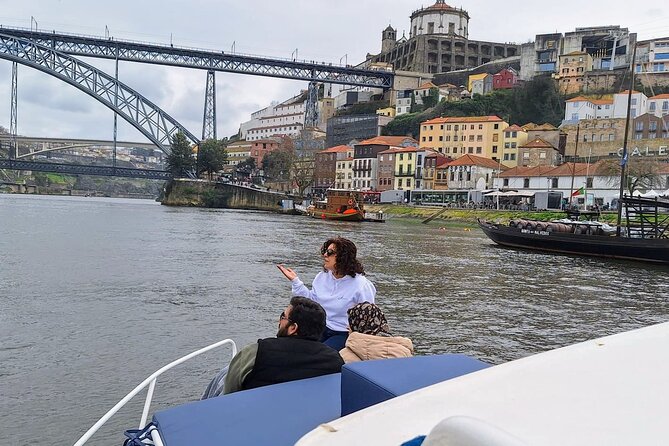
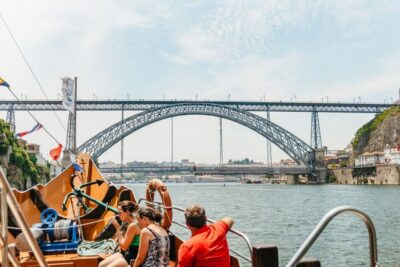
The Dom Luis I Bridge is one of the big “wow” moments and it has a very practical story. It’s a metal bridge with two decks, built between 1881 and 1886, connecting Porto and Vila Nova de Gaia across the Douro River. As you pass, it helps to think of it as more than scenery. It’s a physical reminder that Porto and Gaia share a single river system—different sides, same heartbeat.
This stop is listed with free admission, which is useful if you want to plan your day around viewpoints on both banks. Even on a boat, you’ll likely catch those angles where the bridge lines up with the riverfront and the city layers look stacked rather than flat.
Serra do Pilar Monastery: UNESCO inside an “austere” shell of stone
The Serra do Pilar Monastery is the part that turns sightseeing into meaning. It’s described as an austere 17th-century church, and it’s been classified by UNESCO since 1996. What stands out most is the architecture: a circular plan, an imposing hemispherical vault, and a balcony with a lantern on top. The tour text also emphasizes the gilded and white carved interior work.
You also get the cloister details: a circular vault supported by 36 Ionic columns. That’s the kind of detail you usually only catch if someone points it out, and on this cruise/route, the guide does exactly that. The monastery’s location was crucial in 1809 during Napoleonic troop invasions, and later it served as a military base during the 1832–33 liberal struggles. Over time, its role shifted, and it has been converted into military barracks.
Here’s why this matters for you: learning what a landmark did historically makes the view from the river more than pretty framing. You start reading the city like a map of decisions.
D. Maria Pia Bridge and Gustave Eiffel’s engineering flex
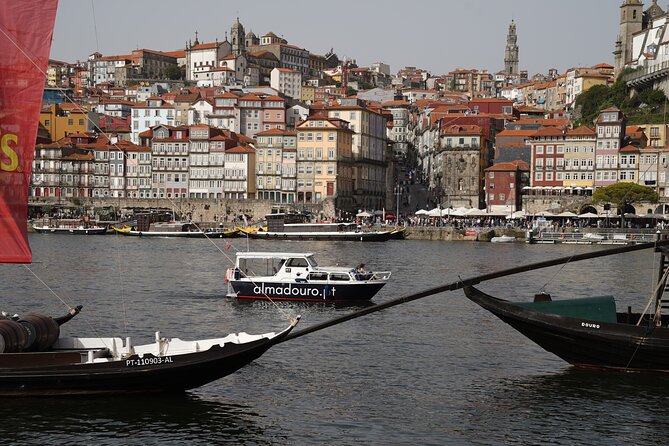
Next comes the D. Maria Pia Bridge, a railway bridge that carried the Northern Line over the Douro between Porto and Vila Nova de Gaia. It was inaugurated on November 4, 1877 and later closed on June 24, 1991, replaced by the Ponte de São João.
The key point is engineering credibility. The bridge is considered, along with the Garabit Viaduct, as one of engineer Gustave Eiffel’s greatest masterpieces. At the time of its opening, it was described as the bridge with the largest iron arch in the world, and it’s been classified as a National Monument since 1982.
From your seat, what you’re likely to notice is how the ironwork “draws” across the water. This bridge tends to give you those photos where the structure looks like it belongs in a technical diagram—except it’s floating above the real-life river.
More Porto days out worth booking


Douro Estuary Nature Reserve: birds and salt marsh instead of just buildings
After the city-and-bridge highlights, the cruise route reaches the Douro Estuary Local Nature Reserve. This reserve covers 66.35 hectares on the south bank near the fishing village of Afurada, including Cabedelo and São Paio Bay, where there’s a salt marsh.
The tour description calls out the natural value most visitors can actually notice: birds. Because it sits on the migratory corridor known as the East Atlantic Route, you can get real birdwatching moments with relatively minimal effort. If you normally skip “nature” parts of city trips, this section is a good argument against that. It gives you a breath from dense architecture, plus it explains why the coastline looks the way it does.
And then the experience ends near the mouth of the Douro, close to the Atlantic Ocean—so the ride quietly widens out. That shift is one of the reasons a cruise feels like more than a moving photo spot.
Port wines and food pairings: what you’re really getting (beyond sipping)
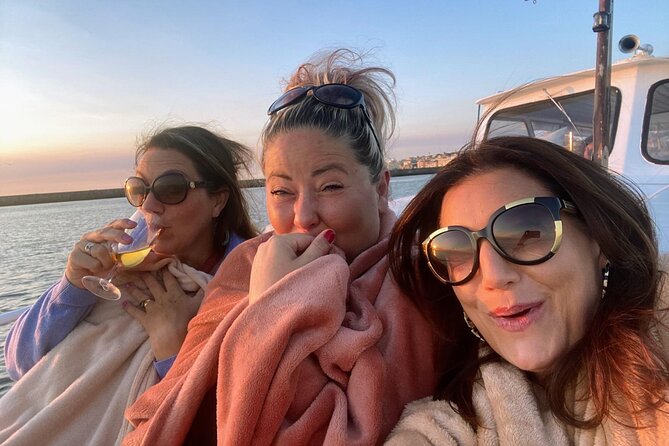
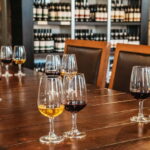
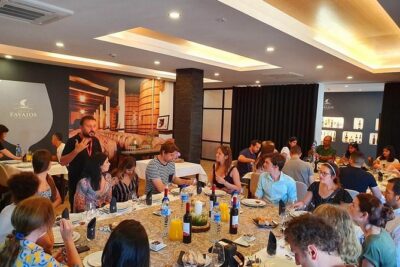
This experience is built around 4 port wines, with tastings paired to match the flavors in the food. That pairing approach is exactly what makes it worth doing instead of just doing a quick tasting room stop.
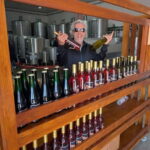
You’ll also get storytelling tied to what you’re tasting and what you’re seeing outside. The tone is clearly designed to be relaxed—no long, formal lecture style. The hosts Nadia and Paulo are the heart of this part: they guide you through what to look for and how the wine changes when you pair it with specific bites.
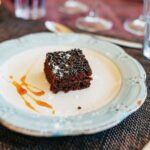
Food is part of the package too. Many guests describe cheese boards, charcuterie snacks, and other small bites, with drinks served as the cruise moves along. One of the biggest practical advantages here is that you don’t have to eat a full meal beforehand just to enjoy the ride—you get enough to keep things comfortable on a two-hour outing.
For value, here’s the real math I think about: you’re paying about $72.41 per person for a guided river experience plus 4 port tastings and snack pairings. If you try to assemble that solo—port tastings, a guided segment, and waterfront views—it usually adds up quickly in time and money. This is one of those “you’re buying convenience plus curation” deals.
Who should book this Douro cruise with 6 bridges?
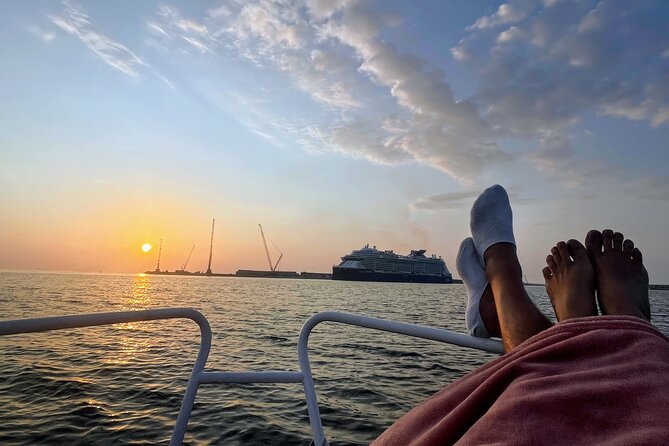
This is a great fit if you want:
- Scenic Porto and Gaia views without spending half your day hopping between viewpoints
- A small-group atmosphere where you can actually talk to the hosts
- A port tasting where the food pairing helps you taste better, not just taste more
- A route that mixes iconic landmarks with a calmer nature stretch near the estuary
You might choose something else if you:
- Need an option that’s explicitly suitable for reduced mobility (this one isn’t recommended)
- Want a longer, stop-everywhere day (this is about a 2-hour water-focused experience)
Practical tips for getting the most from your 2 hours on the river
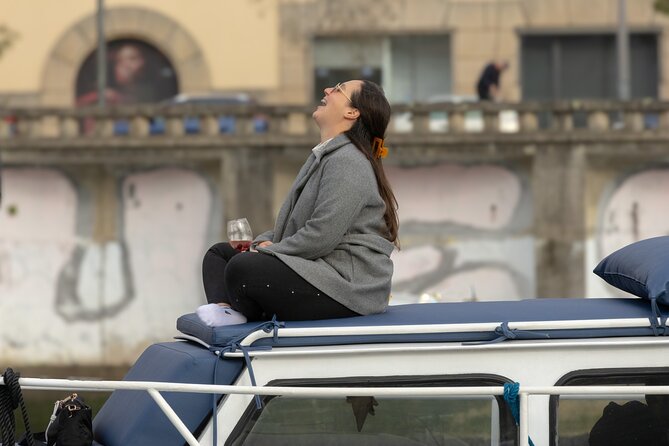
- Dress for wind. Even in mild weather, river air can change the comfort level fast. Guests describe being offered blankets when conditions get cool, but bringing a light layer is still smart.
- If you care about photos, pick a spot early near the best sightlines and stay put. With a short tour, you’ll spend less time repositioning and more time shooting.
- Go in hungry enough for small bites. The experience is paired around tasting, and it’s easier to enjoy port when you have something to nibble along the way.
Should you book the Alma Douro 6 Bridges & 4 Port Wines cruise?
If you want one high-impact Porto activity that combines river views, two major bridges, a UNESCO site, and 4 port wines with food pairings, this is a strong yes. The small group size and the husband-and-wife hosting style (Nadia and Paulo) are clearly a big part of why the experience lands well for people who care about feeling like the tour is personal rather than mass-produced.
The only reason to hesitate is the mobility note. If that doesn’t apply to you, book it, plan it for a day when you can enjoy the outdoors, and treat it like your “Porto from the water” orientation session.
FAQ
How long is the Douro cruise?
The duration is about 2 hours (approx.).
What is the price per person?
The listed price is $72.41 per person.
How big is the group?
The tour has a maximum of 7 travelers.
What language is the tour offered in?
It’s offered in English.
Where does the tour start?
The meeting point is Marina da Afurada, R. da Praia 430, 4400-554 Vila Nova de Gaia, Portugal.
Where does the cruise end?
The activity ends back at the meeting point, with the cruise experience finishing at the mouth of the Douro near the Atlantic Ocean.
Does the tour include port wine tasting?
Yes. It includes 6 Bridges & 4 Port Wines (Max 7).
Is the Dom Luis I Bridge part of the experience?
Yes, Dom Luis I Bridge is part of the itinerary, and the provided information notes admission for that stop is free.
What if weather is bad?
This experience requires good weather. If it’s canceled due to poor weather, you’ll be offered a different date or a full refund.
Is this tour good for people with reduced mobility?
It is not recommended for reduced mobility.
More Cruises & Boat Tours in Porto
More Tour Reviews in Porto
Back on the River, Bridge by Bridge
Fresh in the Porto notebook
Six Bridges River Cruises, compared.
 ★ 5.0Complete Douro Valley Wine Tour with Lunch, Wine Tastings and River CruiseFrom $10112,920 reviews
 ★ 4.2Six Bridges CruiseFrom $2111,680 reviews
 ★ 4.36 Bridges Douro River CruiseFrom $236,472 reviews
 ★ 4.5Guided Tour by Tuk-Tuk & Optional Douro River CruiseFrom $205,980 reviews
 ★ 5.0Authentic Small Group Douro Wine Tour with Lunch & River CruiseFrom $1334,775 reviews
 ★ 4.2Bridges Cruise & Sunset & Port Wine Cellar OptionFrom $214,180 reviews
 ★ 4.3River Douro 6 Bridges CruiseFrom $174,168 reviews
 ★ 5.0Douro Valley Tour: 2 Vineyard Visits, River Cruise, Winery LunchFrom $1013,542 reviews
Browse the lists this tour appears in