
Reviewed · PORTO BIKE & E-BIKE TOURS
Peneda Gerês National Park: Self-Guided Electric Bike Tour
Three villages, one electric-bike route in Gerês. You’ll use KTM e-bike power to handle the mountain scenery, and Soajo’s granaries make the ride feel like more than just miles on a trail. One catch: the GPS guidance isn’t always as crystal clear as you want, so you’ll need to stay alert at junctions.
Starting at Tobogã Base, the route crosses the Lima River at the Touvedo dam and passes Ermelo’s monastery area before climbing to Soajo and then Lindoso, with a final return to Tobogã. Bring snacks and water, because you’re riding for about 5 hours on mixed terrain and food options along the way are limited.
In This Review
- Key highlights to know before you pedal
- Peneda-Gerês by e-bike: what 50 km and 1,300 meters really feels like
- Tobogã Base to the Lima River: getting oriented fast
- Ermelo monastery area: history on the riding schedule
- Soajo: the iconic village stops and the meaning behind the granaries
- Lindoso and its 13th-century castle: defensive walls above the reservoir
- GPS navigation and mixed terrain: how to avoid a frustrating moment
- Included gear vs what you must bring yourself
- Price and value: what $94 covers and where extra costs show up
- Who should do this Peneda-Gerês e-bike route (and who shouldn’t)
- Should you book Peneda-Gerês National Park on an electric bike?
- FAQ
- How long is the Peneda-Gerês National Park self-guided electric bike tour?
- How far do I ride, and is there much elevation change?
- Where does the tour start and end?
- What’s included with the tour price?
- Are food and drinks included?
- Is there water available during the ride?
- What languages are available with the host or greeter?
- What’s the cancellation policy?
- Is there an option to pay later?
Key highlights to know before you pedal
- 50 km with about 1,300 m of elevation change: expect a workout, even with electric assist
- Lima River crossing at Touvedo dam: a great early landmark for staying oriented
- Soajo’s granaries and stone storage: cereal-storage architecture that locals still symbolize
- Ermelo monastery stop: a historic pause that breaks up the riding rhythm
- Lindoso’s 13th-century castle and reservoir views: defensible heights with old granaries too
Roll the riverfront on two wheels
- E-Bike Tour★ 5.0 · 14 reviews
- Peneda Gerês National Park: Self-Guided Electric Bike Tour★ 4.2 · 11 reviews
- Gerês National Park: Self-guided E-Bike Tour★ 3.8 · 6 reviews
Peneda-Gerês by e-bike: what 50 km and 1,300 meters really feels like
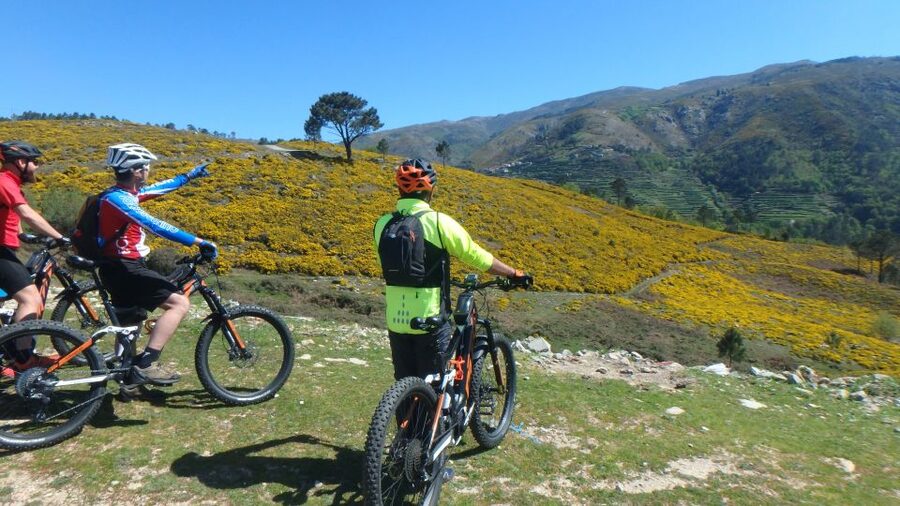
This is a self-guided electric bike tour in Portugal’s Peneda-Gerês National Park, designed around a 50 km route with roughly 1,300 m of elevation change. That number matters. Even with pedal-assist, your legs will notice the climbs, and your body will feel the descents too.
The bike is a KTM MACINA KAPOHO 7973 (2024 model), and the experience includes the basics that keep you comfortable and safer: helmet, gloves, and sunglasses, plus insurance. You’re not just renting a machine and hoping for the best. The goal is to get you into the park’s best trails while you still enjoy the places you stop.
A realistic expectation: this is about steady movement for 5 hours, not a slow stroll. If you can ride a mountain e-bike comfortably for that long over varied terrain, you’ll likely have a very good day.
Tobogã Base to the Lima River: getting oriented fast
The tour starts at Tobogã Base in Entre Ambos-os-Rios. That’s useful because it gives you one clear beginning point, and the ride follows a loop back to the same base at the end.
Early on, you cross the Lima River at the Touvedo dam. I like this kind of early landmark because it helps you confirm you’re on the right track. When the route is self-guided, big geography markers reduce stress, and dams are exactly that: something you can visually verify instead of guessing.
If you’re the type who likes momentum, this part works well. You’re rolling fairly soon after you start, and the crossing helps you settle into the route before the climb begins to get serious.
Ermelo monastery area: history on the riding schedule
The route passes through Ermelo, including the area around its beautiful monastery. It’s not presented as a long sightseeing day, so don’t plan for museum-level wandering. Think of it as a cultural waypoint that adds meaning to the ride.
Why I think this stop works: it breaks the park experience into layers. You’re not only looking at views and trees. You’re also seeing how people built religious and community landmarks in this region and how those places still show up in daily life.
Practical tip: this is where you’ll want to pause for photos, but keep an eye on your time and energy. Once you’re back on the bike, the route continues toward the climb that leads to Soajo.
Soajo: the iconic village stops and the meaning behind the granaries
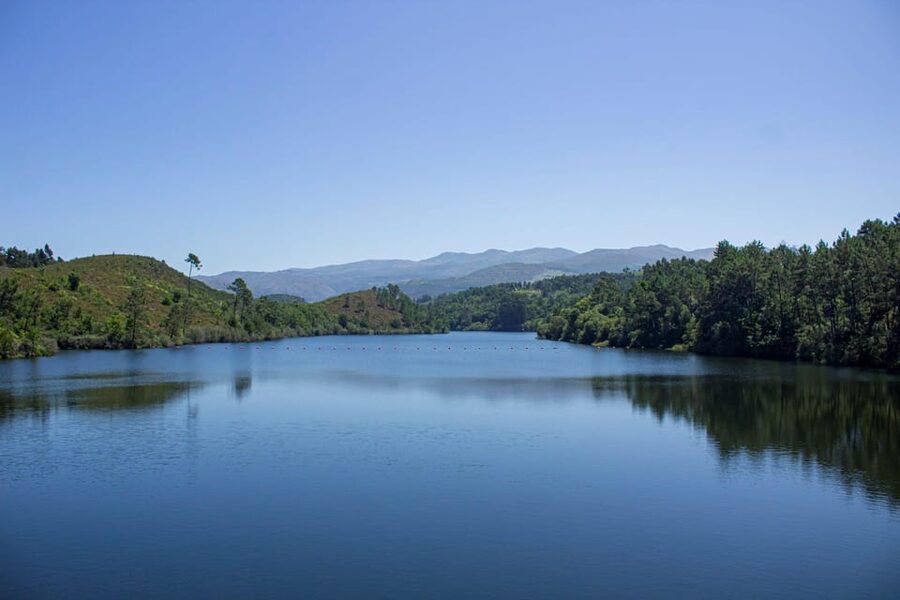
The ride climbs up to Soajo, one of the most iconic villages in Peneda-Gerês National Park. If you’re wondering what makes Soajo special beyond the scenery, it’s the way the architecture reflects rural survival.
Soajo is known for its granaries: stone structures used to store cereals, which have become one of the symbols of the village. That detail is more than an aesthetic quirk. It tells you how families stored food against the unpredictability of seasons, and it’s exactly the kind of local function that makes historic buildings feel real, not staged.
You’ll also get a glimpse of traditions such as wooden handicrafts and local cuisine. Dishes like Soajo-style goat are part of what visitors connect with here, even if your tour day is focused on riding and short village stops.
On the bike, Soajo is also a “reward stop.” The climb is effort. The payoff is a village view that feels different from the trail. You’re arriving at a place where people still maintain older rhythms.
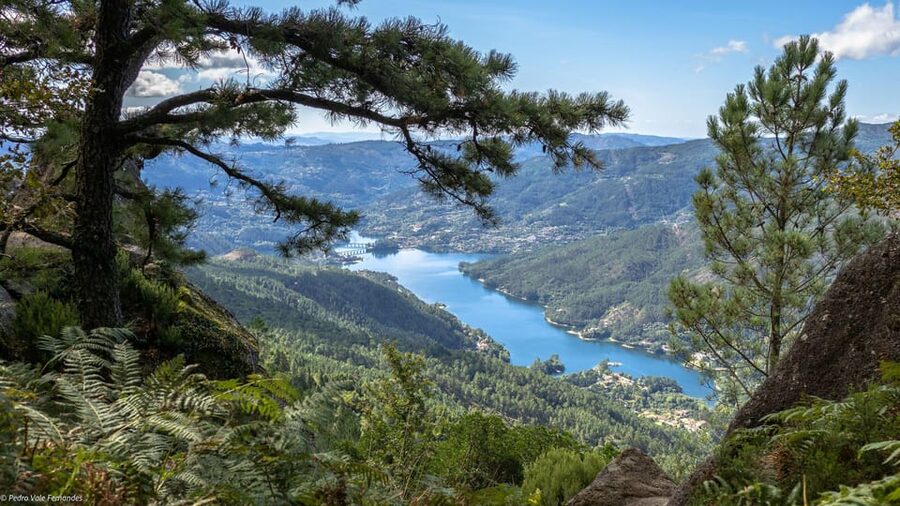
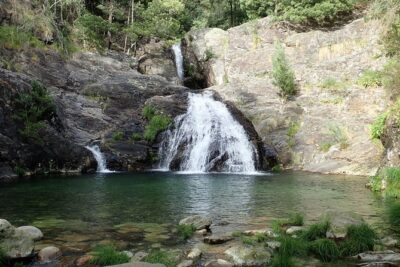
Waterfalls and granite villages in Peneda-Geres
Lindoso and its 13th-century castle: defensive walls above the reservoir
After Soajo, you head toward Lindoso, described as one of the most beautiful mountain villages of Alto Minho. This is where the tour blends nature with strong, readable history.
Lindoso’s big draw is its 13th-century castle, positioned to defend Portugal during conflicts with its neighbor. Even without a long guided lecture, standing in a castle area changes how you read the countryside. High points start making sense. Rivers, ridges, and lines of sight aren’t abstract anymore.
You’ll also see views of the Lindoso Reservoir and old granaries. That cereal-storage theme keeps echoing through the day, which I like because it ties the villages together. You’re not just hopping between random stops. There’s a thread: how people lived, stored food, and protected themselves in this mountainous region.
This part of the route is especially good if you enjoy “small breaks with big meaning.” You get enough context to make the place stick in your memory, without losing the riding time that the tour promises.
GPS navigation and mixed terrain: how to avoid a frustrating moment
This is a self-guided tour, so your biggest variable is navigation. The route is described as easy to follow, but the experience can be uneven depending on how well GPS tracking works on your phone.
Some riders have found that GPS guidance wasn’t always as straightforward as they expected. Another note: there can be a stretch that feels better on unpaved roads than on smoother surfaces, which means you should be comfortable on mountain-bike-style terrain.
Here’s how I’d handle it to keep your day smooth:
- Keep your phone charged and screen brightness reasonable, so you can read turns quickly
- Slow down at junctions. If you rush, GPS quirks turn into wrong turns
- Dress for changing conditions. In a park, weather shifts, and you’ll ride outdoors for hours
Also, there’s a practical reality in Peneda-Gerês: wildfires can happen. The tour start includes information on conditions on the ground, and it’s smart to take that seriously. If there’s any fire-related routing change, you’ll benefit from listening first.
Included gear vs what you must bring yourself
What’s included is a strong package for a 5-hour ride: an electric bike (KTM MACINA KAPOHO 7973, 2024), helmet, gloves, sunglasses, and insurance. That’s the kind of setup that reduces the hassle of bike shopping and fitting.
Still, you need to manage the non-bike stuff on your own. Here’s what you should bring because it’s explicitly advised:
- Snacks (there are just a few snack bars along the route)
- Weather-appropriate clothing
- Sunscreen
- A water bottle (you can refill from drinkable springs along the way)
I really like the drinkable springs note because it can prevent the classic e-bike trap: carrying too much water early and feeling heavy later, or running out unexpectedly. Plan to refill when you can, not just at the start.
And yes, you’ll want snacks. Even with electric assist, you’re doing a route with serious elevation change. Low energy makes descents sketchy and climbs miserable.
Price and value: what $94 covers and where extra costs show up
The price is about $94 per person for 5 hours. Is it a good deal? For the structure of this tour, I think it can be.
You’re paying for:
- A modern electric mountain bike (KTM MACINA KAPOHO 7973, 2024)
- Safety gear (helmet, gloves, sunglasses)
- Insurance
- A planned route that links major village highlights inside Peneda-Gerês
So you’re not only paying for transportation. You’re also paying for the framework: bike + route + protection.
Where value can shrink is when you factor in what’s not included:
- Food and drinks
- Transfer to/from the starting point
If you’re already in the area and can reach Tobogã Base without extra expense, the $94 feels straightforward. If you’re adding transport costs on top, do the math and make sure you still want a full active day instead of using that money for a slower sightseeing plan.
Who should do this Peneda-Gerês e-bike route (and who shouldn’t)
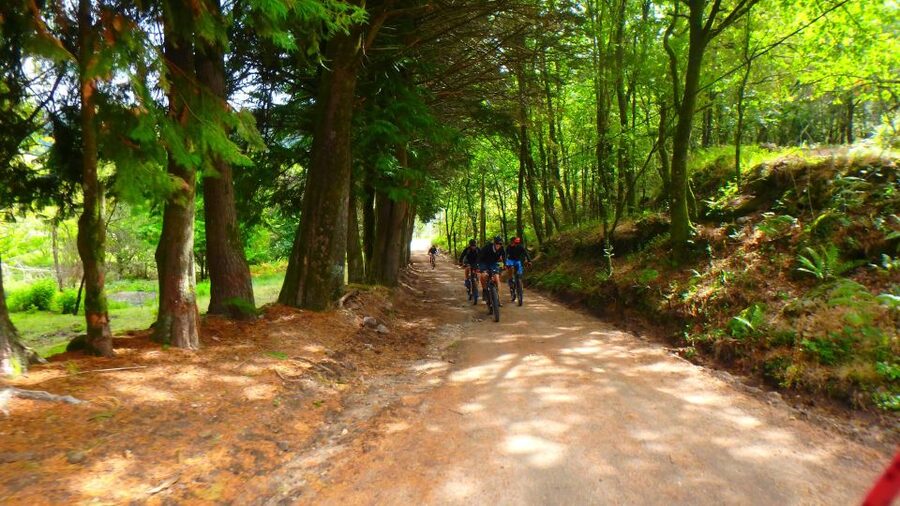
This isn’t for people who can’t ride a bike. The description also advises comfort on a mountain e-bike for about 5 hours on different types of terrain, so you should come ready for that commitment.
This tour suits you if:
- You want an active day outdoors with a real elevation challenge
- You like historic villages and cultural details, not just scenery
- You’re comfortable handling a route on your own using GPS
It may not suit you if:
- You prefer fully guided, step-by-step narration the entire time
- You want lots of long museum stops or long lunches
- You’re not comfortable on mixed surfaces (including potentially unpaved stretches)
If you fall somewhere in between, the e-bike helps, but your comfort level with riding for 5 hours is still the deciding factor.
Should you book Peneda-Gerês National Park on an electric bike?
If you want a day that mixes park trails with meaningful village stops—Soajo’s granaries, Lindoso’s 13th-century castle and reservoir views, plus the Ermelo monastery waypoint—then yes, I’d seriously consider booking. The price feels fair for the bike, included gear, and insurance, and the structure keeps you moving without turning it into a rushed speed mission.
Book it if you’re comfortable riding a bike for about 5 hours and you’ll bring the basics: snacks, sunscreen, and a bottle for spring refills. Also, be prepared for a self-guided flow where GPS may need a bit of extra attention at turns.
Skip it if you want a low-energy sightseeing day, or if you’re uncomfortable riding on varied terrain. In that case, you’d likely spend more time worrying about route and footing than enjoying the villages.
FAQ
How long is the Peneda-Gerês National Park self-guided electric bike tour?
The tour lasts 5 hours.
How far do I ride, and is there much elevation change?
The route is 50 km and includes about 1,300 meters of elevation change.
Where does the tour start and end?
It starts at Tobogã Base and ends back at Tobogã Base (located in Entre Ambos-os-Rios).
What’s included with the tour price?
You get an electric bicycle (KTM MACINA KAPOHO 7973, 2024), a helmet, gloves, sunglasses, and insurance.
Are food and drinks included?
No. Food and drinks are not included, so you should plan ahead.
Is there water available during the ride?
There are drinkable springs water along the way, and it’s advised to bring a water bottle to refill.
What languages are available with the host or greeter?
The host or greeter is available in Spanish, English, French, and Portuguese.
What’s the cancellation policy?
Free cancellation is available up to 24 hours in advance for a full refund.
Is there an option to pay later?
Yes. You can reserve now and pay later.
More Tour Reviews in Braga
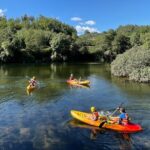
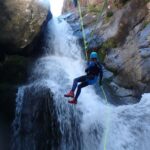
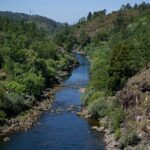
Into Peneda-Geres
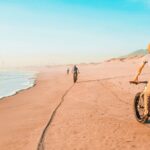
On Two Wheels Along the River
Fresh in the Braga notebook
Porto Bike & E-Bike Tours, compared.
 ★ 5.03-Hour Porto Highlights on a Electric Bike Guided TourFrom $534,392 reviews
 ★ 4.8City Highlights 3-Hour Guided Electric Bike TourFrom $513,092 reviews
 ★ 4.9City Highlights Guided Segway TourFrom $76515 reviews
 ★ 5.03-Hour Old Town & Riverside Bike Tour – Guided ExperienceFrom $47481 reviews
 ★ 4.9Highlights in 3 Hours E-Bike TourFrom $57448 reviews
 ★ 5.02-Hour City Highlights Segway Tour – Guided ExperienceFrom $78331 reviews
 ★ 4.6Riverside Panoramic E-Bike TourFrom $51312 reviews
 ★ 4.83-Hour Bike TourFrom $57260 reviews
Browse the lists this tour appears in