Reviewed · PORTO
Museu das Marionetas do Porto
Puppets you can touch and operate. Museu das Marionetas do Porto is a focused, author-driven museum where you don’t just look at puppets—you get to interact, press buttons, and learn how performances are built. I especially liked the special experimentation room and the museum’s accessibility-forward design.
Two things I’d call out right away: the multilanguage video guides (including Portuguese Sign Language) and the tactile, audio-described exhibits that make the whole visit more than a visual walkthrough. It feels calm, well-paced, and genuinely family-friendly.
One consideration: this is a museum visit with performance excerpts, so if you’re expecting a full, long live show, you may want to pair it with Teatro de Marionetas do Porto performances on another day.
In This Review
- Key Highlights Worth Your Time
- Meet the Maker: João Paulo Seara Cardoso’s Author Museum
- What You’ll See in the Exhibitions: Puppets, Props, and Stories
- The Hands-On Experimentation Room: Lights, Sound, and Puppet Control
- Short on Time? How to Get the Most From a 1-Day Visit
- Video-Guides in Multiple Languages (and Portuguese Sign Language)
- Accessibility Features That Actually Affect the Way You Move and Learn
- Kids’ Area and the Imagination Factor
- Value for Money: Why This Costs About $4.13 and Still Delivers
- Who Should Book This Puppet Museum?
- Should You Book Museu das Marionetas do Porto?
- FAQ
- How long is the visit?
- How much does it cost?
- What languages are the video-guides available in?
- Is there a Portuguese Sign Language video-guide?
- Are audio guides included, and what languages are they in?
- Is the museum wheelchair accessible?
- Are there tactile and other accessibility features?
- What’s included with the ticket?
- Is free cancellation available?
- Can I reserve now and pay later?
Key Highlights Worth Your Time
- Hands-on experimentation room where you can manipulate puppets and even operate lights and sound
- Performance excerpts that connect the objects to real stage storytelling
- Video guides in PT, EN, FR, and ES, plus a Portuguese Sign Language option
- Tactile puppets and podotactile flooring designed for more than one way of learning
- Audio description in Portuguese (PT) to support visitors with different needs
- Kids’ area and family-friendly feel, with plenty of imagination-building moments
Weighing up your days in Porto? Here are a few more worth pinning to the map.
- The Unvanquished Tour in Porto City Center★ 5.0 · 26,497 reviews
- From Porto: Douro Valley w/ Boat Tour, Wine Tasting & Lunch★ 4.7 · 19,061 reviews
- Complete Douro Valley Wine Tour with Lunch, Wine Tastings and River Cruise★ 5.0 · 12,920 reviews
- Porto: Douro Valley with Winery Lunch, Tastings & Cruise★ 4.7 · 7,002 reviews
Meet the Maker: João Paulo Seara Cardoso’s Author Museum
Museu das Marionetas do Porto is built around the work of João Paulo Seara Cardoso (1956–2010), the director and artistic director of Teatro de Marionetas do Porto. Instead of a broad, generic puppet collection, you’re stepping into one creative world—how characters get shaped, how stagecraft works, and why puppetry matters in Portugal.
The museum also has an intentional sense of change. It’s designed as an author’s museum, but with a “living” attitude: preserving what’s meaningful while staying open to updates in how it communicates with the public. You can feel that in the way the exhibits are paired with multimedia guides, hands-on spaces, and inclusion features—not just static displays.
And it’s not a random setting. The architecture project is credited to José Gigante, and the museum’s home has shifted over time. It originally opened in 2013 to celebrate the company’s 25th anniversary, and later moved in September 2016 to a building next to the company’s headquarters in Rua de Belomonte. That closeness to the theater’s own ecosystem helps explain why you see performance thinking everywhere in the museum.
What You’ll See in the Exhibitions: Puppets, Props, and Stories
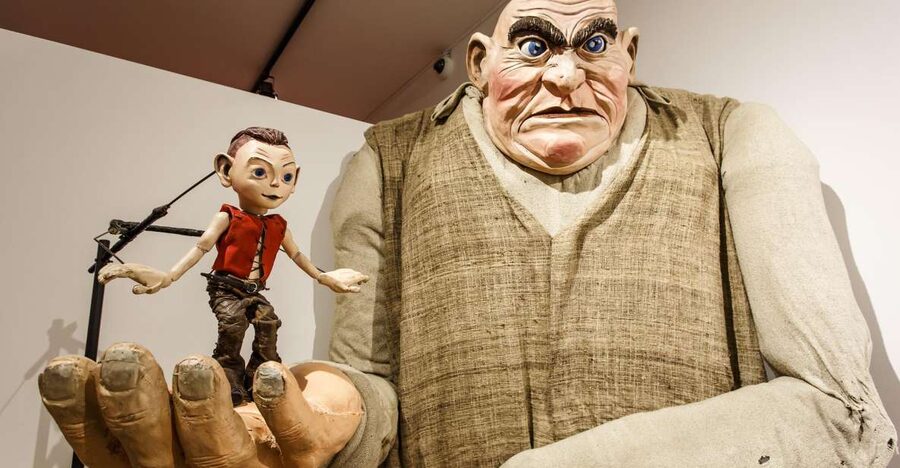
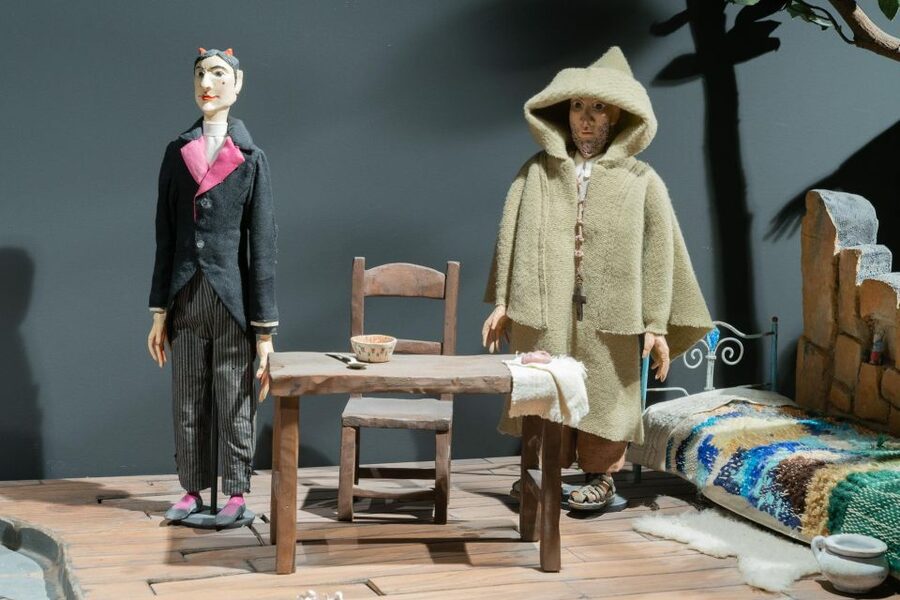
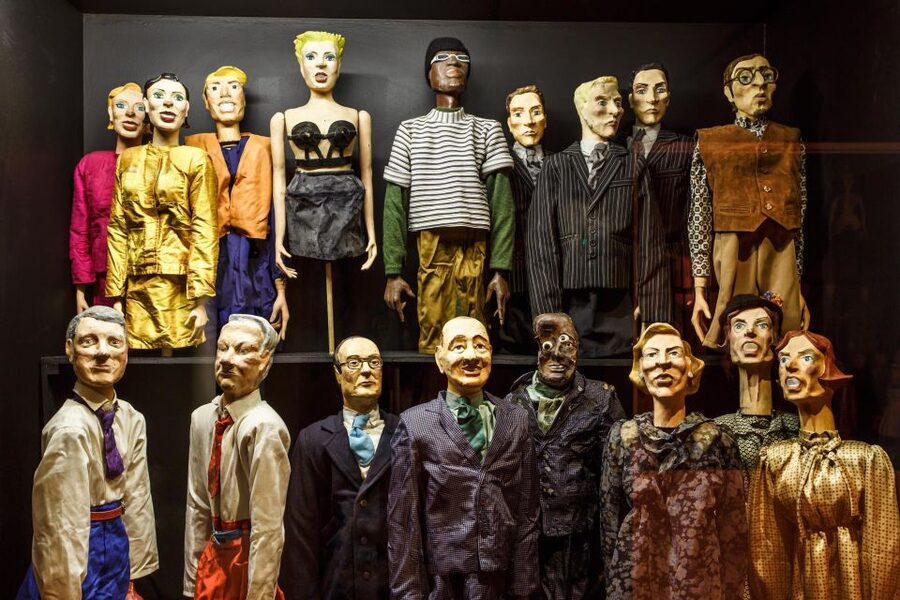
The exhibitions center on puppets and stage props used in the company’s performances, plus symbolic objects that represent parts of those stories. You’re not just looking at costumes-for-a-character or decorative items. The museum treats stage objects as meaningful documents of how art is made.
A smart way to approach the galleries is to let the objects do their job: pick a puppet, then search for the clues that explain how it behaves or how it’s used in performance. The museum’s design pushes that connection between object and scene. That’s one reason people like this museum for kids as well—young visitors often start with imagination first, then want answers, and the museum gives both.
You’ll also find the museum’s narrative anchored to the founder’s identity and legacy. Since it’s an author museum, the goal isn’t to cover every puppet tradition. It’s to document one creative voice and keep that voice present in the city—so it feels personal rather than encyclopedic.
The Hands-On Experimentation Room: Lights, Sound, and Puppet Control
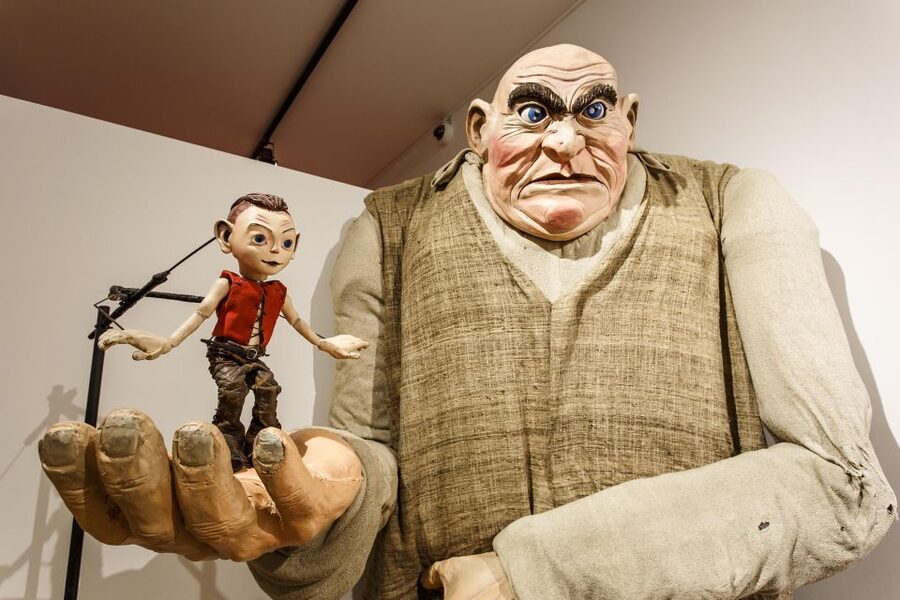
The standout for many visitors is the special experimentation room. This is where the museum stops being only observational. You can manipulate puppets, and you can operate lights and sound—basically, you get to test how “stage magic” is engineered.
For practical purposes, this is also where you’ll spend your best energy. It’s not a long walkthrough. It’s a hands-on pocket of time, and it changes the visit from reading about theater into doing theater tasks. Even if you don’t consider yourself a craft person, you’ll quickly understand the cause-and-effect: actions lead to changes, and changes lead to storytelling.
This also explains why the museum works so well as a quick trip. A lot of the value comes from the interactive element, not from covering dozens of rooms. If you like hands-on learning and playful discovery, this is the part you’ll remember later.
Short on Time? How to Get the Most From a 1-Day Visit
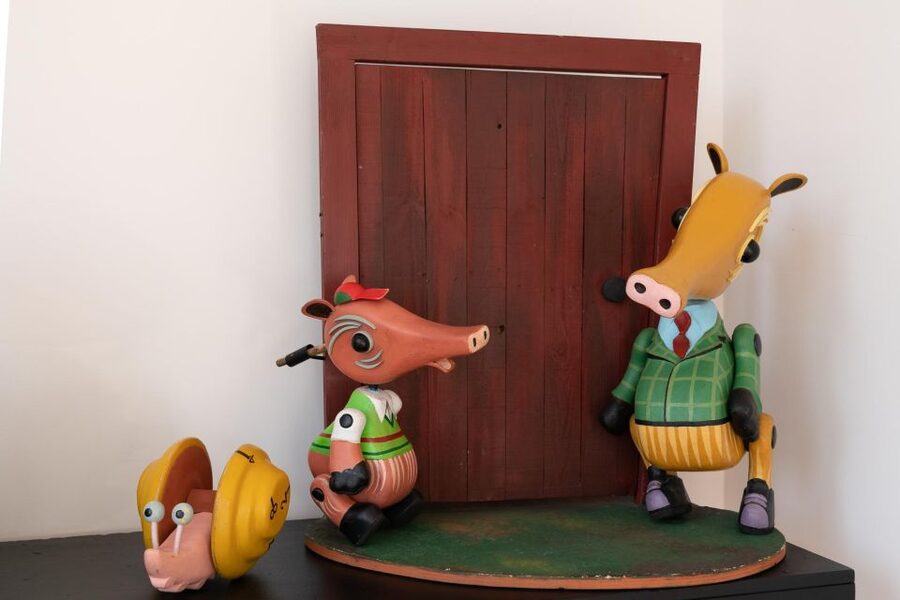
Museu das Marionetas do Porto is set up as a one-day experience. In real life, that usually means you shouldn’t over-plan your schedule. Build in enough time to slow down during the interactive section and to re-watch whatever performance excerpts connect to your favorites.
A good strategy is simple:
- Start with the exhibition displays long enough to pick out a few puppets or props that feel meaningful.
- Then switch into experimentation mode and spend time in the hands-on room.
- Finish by using the video-guides to stitch everything together so you understand what you saw and why it matters.
In the reviews, people describe it as short and sweet, calm, and easy to enjoy. That matches the museum’s “author-focused” structure. It’s also excellent for families because it doesn’t require you to commit to hours of attention the way some bigger museums do.




Video-Guides in Multiple Languages (and Portuguese Sign Language)
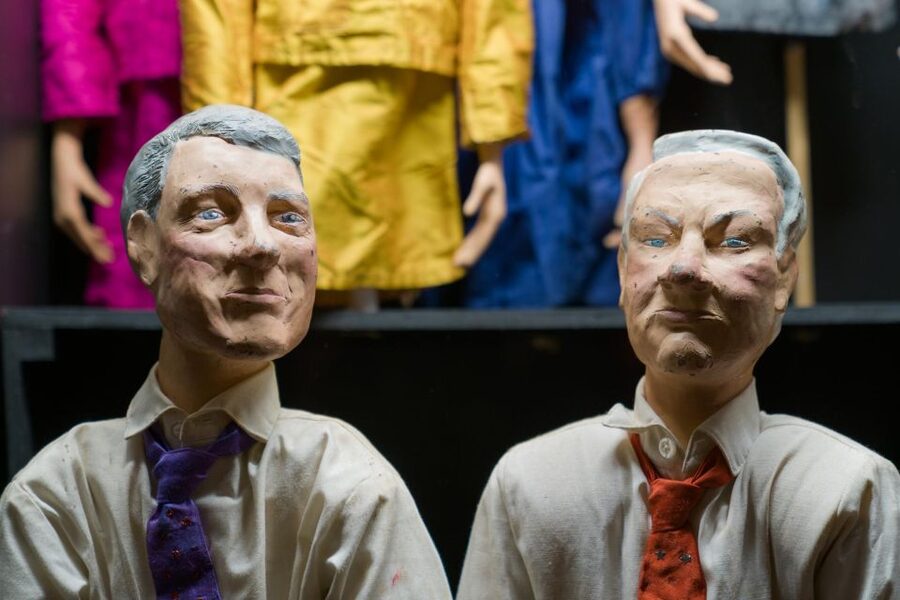
One of the museum’s strongest points is communication. You get video-guides in Portuguese, English, French, and Spanish. That matters in practice because the museum centers on performance artifacts. If you miss the context, puppets can look charming but disconnected. With multilingual guidance, you’re more likely to understand the storytelling choices behind what you’re seeing.
Even more helpful: there’s a video-guide in Portuguese Sign Language. In an experience like this, sign language isn’t just a helpful add-on. It changes the experience for visitors who need that route to information, and it helps everyone experience the museum as inclusive by design rather than afterthought.
If you like to learn at your own pace, the multimedia setup helps. You can pause, replay, and move on when you feel ready. And because the museum is relatively compact, you’re not stuck forcing yourself to get through everything before the day disappears.
Accessibility Features That Actually Affect the Way You Move and Learn
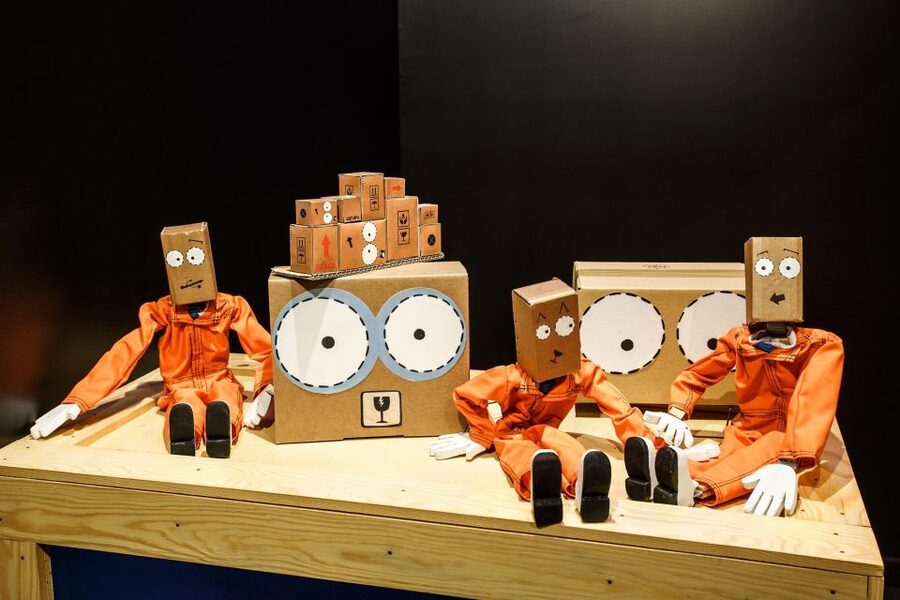
Since 2017, the museum has been inclusive with accessibility features. The key details you should look for include tactile puppets, podotactile flooring, and audio description in Portuguese.
Here’s why these features feel more meaningful than “standard accessibility.” Tactile puppets don’t just offer an alternative input—they let you explore character shapes and stage design in a way that feels closer to performance than to museum viewing. Podotactile flooring helps guide movement, which reduces stress and keeps you oriented. Audio description in Portuguese supports interpretation when visuals alone aren’t enough.
Put together, these features help you experience puppetry as a multi-sensory art form. And that’s the heart of why this museum feels especially valuable to families too. Kids naturally use touch, listening, and play. A museum that supports that instinct tends to feel warm and welcoming.
Wheelchair accessibility is also listed, which makes a big difference in deciding whether you’ll go.
Kids’ Area and the Imagination Factor
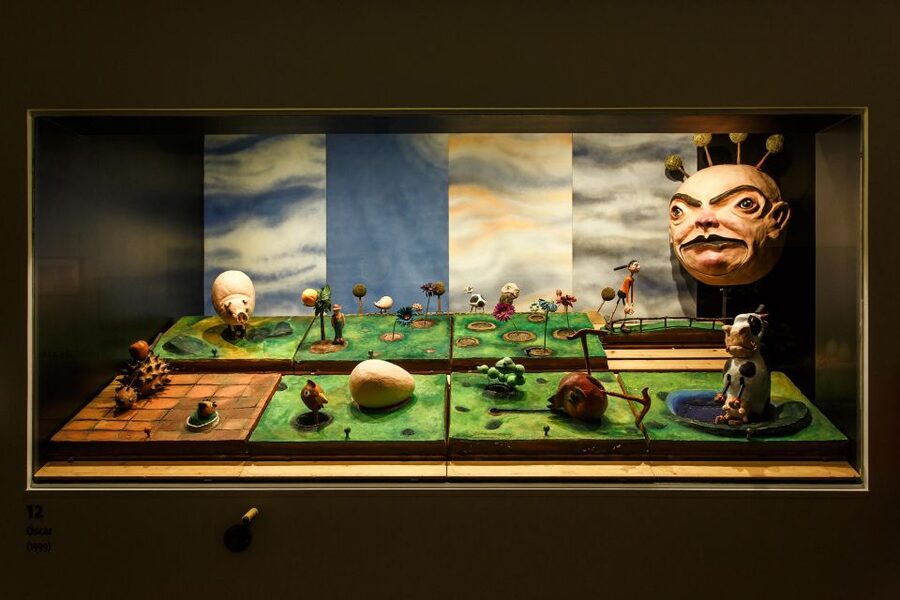
If you’re visiting with children, this place is built for their kind of curiosity. The ticket includes access to an experimentation space and a children’s area. Reviews highlight how good it is for kids and imagination—exactly the kind of value you want when you’re choosing activities in a new city.
Even if your child isn’t deeply into puppets, the hands-on room gives them something tangible to do. And once they start operating lights, sound, or puppets, they often shift from watching to role-playing. That role-play is where the museum’s learning becomes memorable.
A quick tip: don’t rush the hands-on section. With kids, the temptation is to treat it like a fast “check the box.” Try doing it in two passes: one quick try to understand how it works, then a second slower round if there’s interest.
Value for Money: Why This Costs About $4.13 and Still Delivers
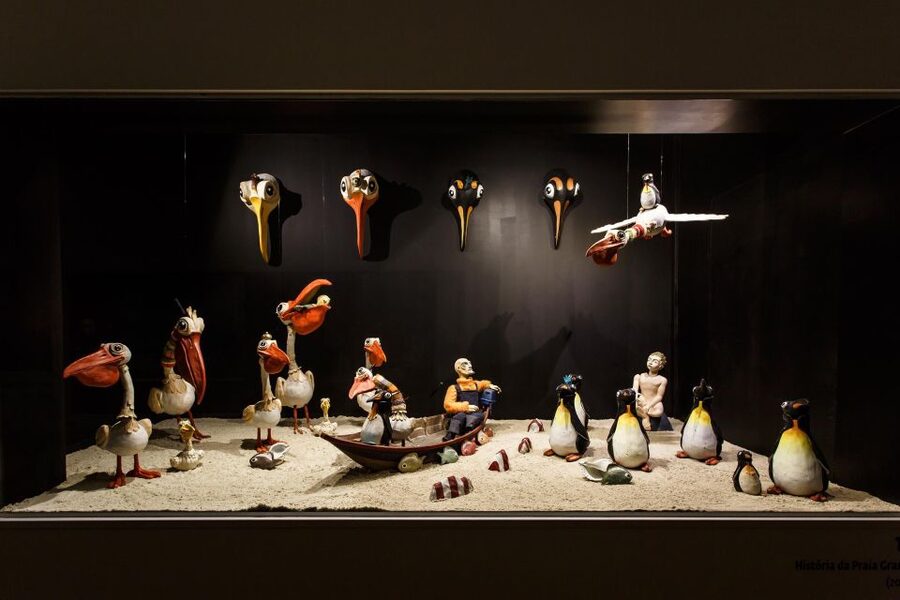
The price is listed at $4.13 per person. That’s a small ticket, and the reason it feels fair is the mix of experiences: you’re getting a guided-style visit through video- and audio-guides, interactive manipulation in the experimentation space, plus a children’s area.
Many low-cost activities fail because they’re either too short to feel worth it or too basic to feel satisfying. Here, the interactive segment and the layered accessibility features add substance without inflating the price. People also call out cost-benefit and the overall pleasant experience in reviews—small museum, strong payoff.
If you’re in Porto for a couple days and want something creative that doesn’t require a half-day commitment, this is the kind of option that fits cleanly.
Who Should Book This Puppet Museum?
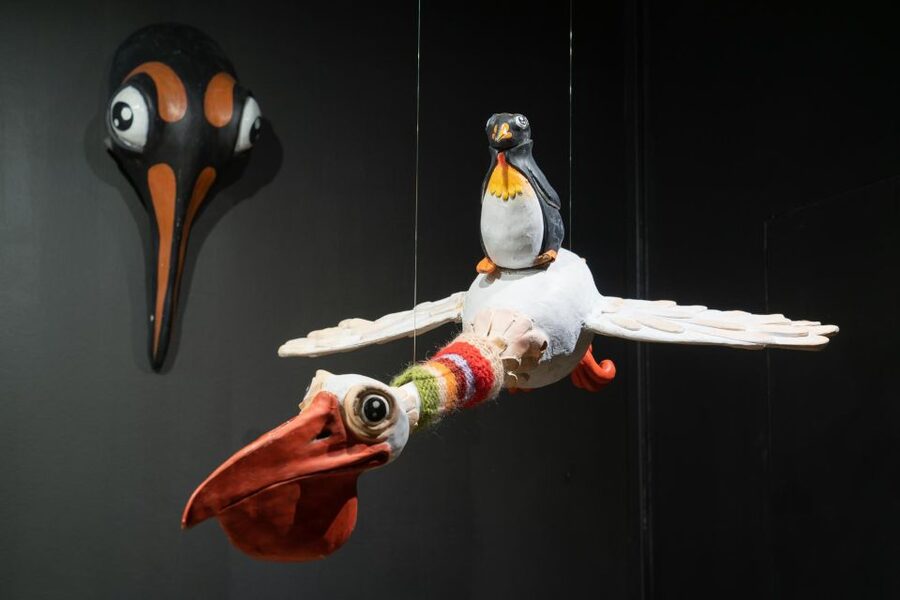
I’d point you toward Museu das Marionetas do Porto if you want:
- A creative museum experience that’s not intimidating or overly long
- Hands-on stagecraft you can try yourself
- Multilanguage learning with video guides, including Portuguese Sign Language
- A family-friendly stop that rewards curiosity and imagination
- A museum that takes accessibility seriously with tactile and audio-described elements
You might skip it only if you’re strictly searching for a long, full theatrical performance. This museum is built around artifacts, excerpts, and hands-on interpretation—not a stand-alone substitute for an evening show.
Should You Book Museu das Marionetas do Porto?
Yes—if your idea of a great museum day includes interacting, learning in more than one format, and enjoying a compact experience with real personality. The standout features for me are the special experimentation room and the museum’s inclusion approach: tactile puppets, podotactile flooring, and Portuguese audio description paired with video-guides in PT/EN/FR/ES and Portuguese Sign Language.
At about $4.13, it’s the kind of plan you can feel good about even if you only have a small gap in your schedule. Book it, give yourself time to play, and you’ll leave with more than photos—you’ll leave with how puppet storytelling is built.
FAQ
How long is the visit?
The experience is listed as lasting 1 day. The notes also suggest you should check availability for starting times.
How much does it cost?
The price is listed as $4.13 per person.
What languages are the video-guides available in?
Video-guides are available in Portuguese, English, French, and Spanish.
Is there a Portuguese Sign Language video-guide?
Yes. There is a video-guide in Portuguese Sign Language.
Are audio guides included, and what languages are they in?
Audio guide content is included, with languages listed as Portuguese, French, English, and Spanish.
Is the museum wheelchair accessible?
Yes. Wheelchair accessibility is listed as available.
Are there tactile and other accessibility features?
Yes. The museum includes tactile puppets, podotactile flooring, and audio description in Portuguese.
What’s included with the ticket?
Your ticket includes the museum visit with video guides, an experimentation space, and a children’s area.
Is free cancellation available?
Yes. Free cancellation is available up to 24 hours in advance for a full refund.
Can I reserve now and pay later?
Yes. There’s a reserve now & pay later option listed.