Reviewed · PORTO
Medieval Porto
Porto’s medieval corners are easy to miss. This guided walk strings together Sé Cathedral area history and the Stairs of Truth with clear, fun facts you can use right away.
What I really like is the way the guide turns a simple stroll into history you can follow and makes it work for real people, including families. I also like that you end at the Ribeira riverside area, so the tour doesn’t feel like it drops you off somewhere inconvenient.
One thing to consider: this is a walking tour, and it needs good weather. If the streets are wet or crowded, you’ll want comfy shoes and a little patience for uneven medieval streets.
In This Review
- Key highlights to look for
- Terreiro da Sé: where the medieval story starts
- Old alleys and social history you can actually picture
- A realistic drawback to expect
- Stairs of Truth: the stop that turns facts into a story
- The walk toward the Ribeira: finishing in the right place
- Two hours is the sweet spot for value
- What’s not included
- Local guide quality: the names behind the best experiences
- Price, group size, and why it feels manageable
- Practical tips so you enjoy it more
- Who this Medieval Porto walk suits best
- Should you book Medieval Porto?
- FAQ
- How long is the Medieval Porto guided walk?
- What does the tour cost?
- What language is the tour offered in?
- Where does the tour start?
- Where does the tour end?
- What time does it start?
- What’s included in the price?
- Are service animals allowed?
- What if the weather is bad?
Key highlights to look for
- Sé meeting point, easy to find: Terreiro da Sé SE is a natural starting point for the old town.
- Old alleyways plus guided context: you’re not just passing sights, you’re learning what they meant.
- Stairs of Truth: expect a story-driven stop that ties legend and local life together.
- Downhill toward the river: the route finishes in the Ribeira area by the water.
- Small-group feel: up to 30 travelers, with a live local guide in your language.
- Guide personalities matter: Leonora, Maria Helena, and Eleonor are names that have shown up in excellent experiences.
Weighing up your days in Porto? Here are a few more worth pinning to the map.
- The Unvanquished Tour in Porto City Center★ 5.0 · 26,497 reviews
- From Porto: Douro Valley w/ Boat Tour, Wine Tasting & Lunch★ 4.7 · 19,061 reviews
- Complete Douro Valley Wine Tour with Lunch, Wine Tastings and River Cruise★ 5.0 · 12,920 reviews
- Porto: Douro Valley with Winery Lunch, Tastings & Cruise★ 4.7 · 7,002 reviews
Terreiro da Sé: where the medieval story starts
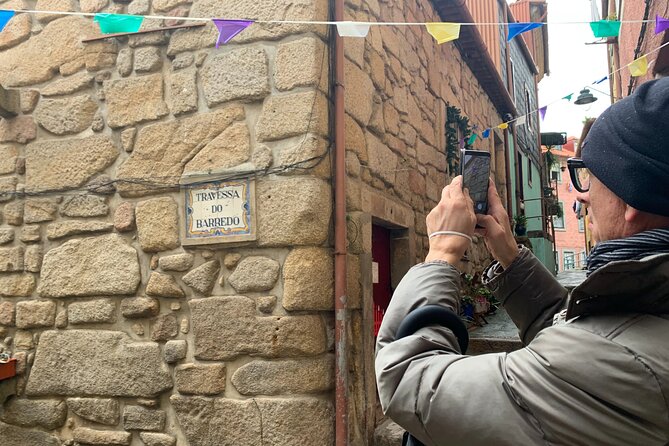
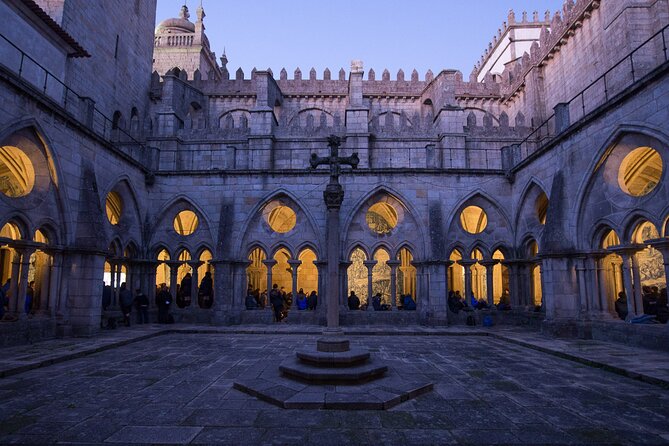
Most walking tours in Porto begin in a vague place. This one starts in a spot that actually makes sense: Terreiro da Sé SE, near the Sé Cathedral area. From there, you get the immediate feeling that you’re moving through the city’s older layers, not just modern streets.
I like that the start location is anchored by a major landmark. It helps you orient fast, and it also makes the meeting point less stressful—especially if you’re traveling with kids or you’re coming from another part of town. The tour begins at 10:00 am, which is a smart time window: the morning light is good for old stone and narrow lanes, and you’ll still have plenty of time to grab lunch after.
You can also treat this as a mini strategy session. When the guide sets the context early—where you are and why this area developed the way it did—you start noticing details you’d normally ignore: doorways, street angles, and the way lanes funnel you toward viewpoints and changes in elevation.
Old alleys and social history you can actually picture
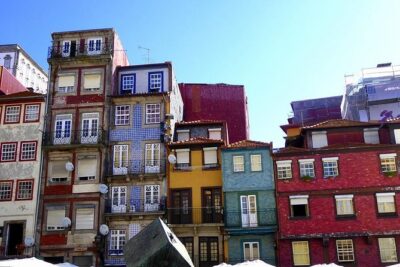
The main event is a guided walk through Porto’s medieval neighborhood—the kind of streets where the city feels close to your face. You’re learning history and fun facts, but the best part is how it connects to daily life.
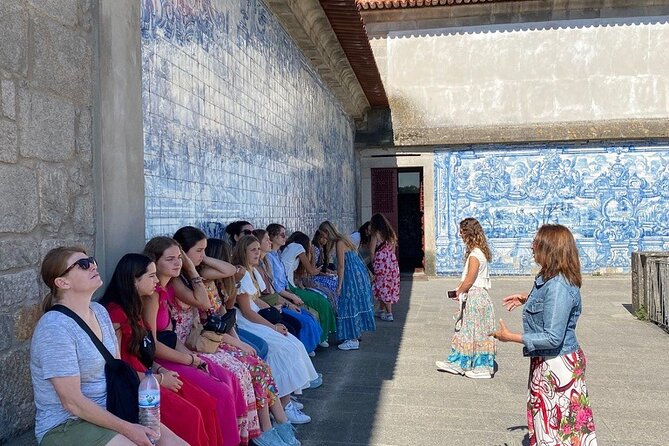
From what you’ll experience on the ground, the guide isn’t just listing dates. The stories lean toward social history: how people lived, how the neighborhood functioned, and what certain places were for. That’s why the tour tends to land well with different ages. One standout comment from a family group was that kids ages 9 to 16 stayed interested because the guide adapted the stories and kept the momentum going. That’s the practical difference between a lecture and a walk.
As you move through the old lanes, focus on what changes as you go—street width, turns, and how the city seems to compress and open. These details are exactly where medieval Porto shows its personality. The guide helps you notice them, so you come away with more than photos. You leave with mental maps.
A realistic drawback to expect
This part of Porto is old, meaning it can be uneven. Even if the pace feels friendly, you may encounter cobblestones and slight inclines. Bring footwear you trust. If you’re the type who hates being a little uncomfortable for a short time, you’ll want to mentally budget for that.
Stairs of Truth: the stop that turns facts into a story
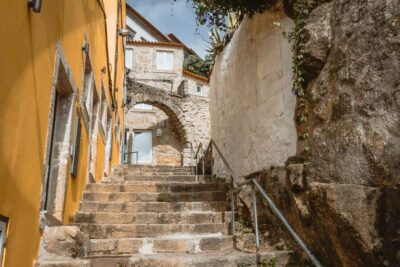
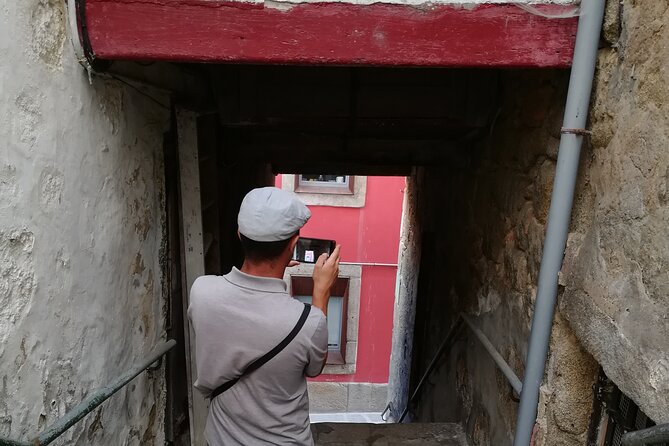
The tour’s name isn’t about a single monument, but the Stairs of Truth (Escadas da Verdade) are the kind of stop that makes the whole experience click. You’re not just seeing steps; you’re hearing the story around them, and how the legend and setting fit together.
This is also where guides tend to shine, because it’s a visual spot. The stairs give you something to point at while you learn. That makes the information easier to remember later, when you’re walking around on your own. If you’re the kind of traveler who likes to understand how local culture sticks to the streets, this is a great anchor.
One thing I’d suggest: when you reach the Stairs of Truth, take ten seconds to do what the guide is probably doing—look up, then look forward, then take in the surrounding alleyways. When you see the street lines, the story becomes more than words. It becomes a sense of how people moved and where attention was drawn.




The walk toward the Ribeira: finishing in the right place
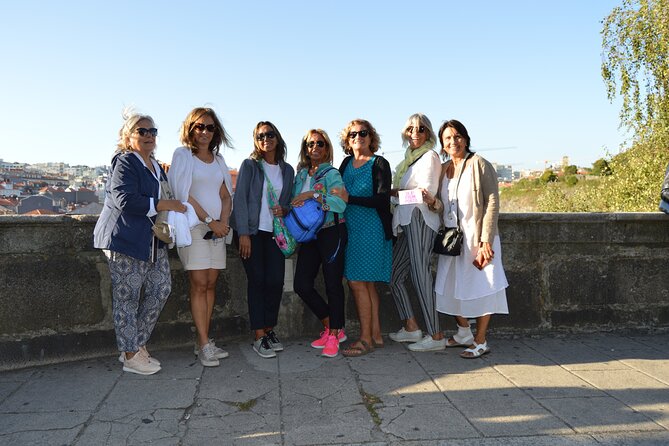
You don’t end in some random corner. The tour ends at Praça Ribeira 1, right by the riverside area and near restaurants. That matters more than it sounds.
After two hours of medieval alleys and concentrated stories, you’ll want a change of pace. The Ribeira location gives you that. It’s a natural transition point: you can keep exploring, grab food, or simply enjoy the riverside atmosphere while everything you learned is still fresh.
If you’re planning your day, this ending helps you build a clean route. Start near Sé, walk through the older lanes, and then drop into the waterfront zone where you can relax. You also won’t feel like you have to solve transportation logistics right after the tour. The area is convenient for continuing your own wander.
Two hours is the sweet spot for value

At about 2 hours, this tour hits a time balance that works for real itineraries. It’s long enough to give you context and a few standout sights, but short enough that it doesn’t hijack your whole morning.
For me, the format is strong because it turns a common Porto problem into an easy win: how do you see the old town without losing track of what you’re looking at? A structured walk reduces that. Even if you’re not a big museum person, the city’s layout makes sense when someone guides you through the logic of streets and landmarks.
It’s also worth noticing the price in relation to what’s included. You’re paying $48.06 per person for a live local guide (in your language) and a guided walk through an authentic medieval area. The tour doesn’t just hand you a map. It gives you someone to ask questions to, and it helps you connect the place you’re in to the bigger story of Porto.
What’s not included
Tips/appreciations and personal expenses are not included. That’s typical, but it affects how you budget. If you like thoughtful tours, plan for tipping in your day plan.
Local guide quality: the names behind the best experiences
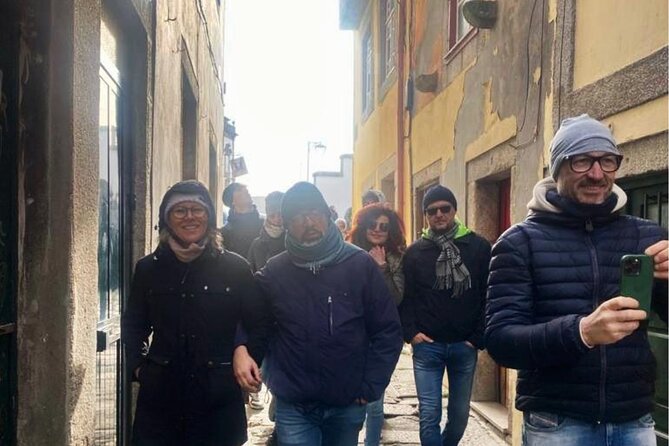
The difference between a good walking tour and a great one often comes down to the guide. This one has a strong track record for friendliness and clarity, and specific guide names show up in excellent experiences: Leonora, Maria Helena, and Eleonor.
What these accounts share is personality and care. Guides like Leonora and Eleonor are described as friendly and knowledgeable, with a talent for tailoring the stories to keep different ages engaged. Maria Helena is noted for helping people see Porto across centuries in a memorable way, and not only through facts—also through thoughtful guidance during the walk.
You’ll get the most from this tour if you treat it like a conversation. Ask where the guide recommends you eat later, or what area you should hit next. One of the standout details from a non-English experience was that the guide also offered excellent advice on where to eat and what else to see—so don’t be shy about using those local instincts.
Price, group size, and why it feels manageable
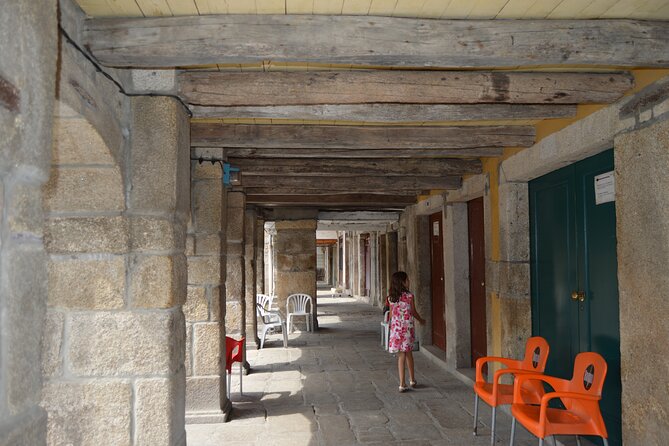
The group size cap is 30 travelers. That number matters because it keeps the experience from feeling like a crowd herd. In a medieval neighborhood, where sidewalks can tighten, a smaller group often means you can hear the guide without turning your head every ten seconds.
Also, the tour is offered in English, which is helpful if you’re mixing ages or languages in your group. A guided experience is only useful if you can follow it comfortably, and language compatibility is part of the value you’re paying for.
One practical tip: if you’re sensitive to noise or standing behind people, aim to position yourself where you can see the guide clearly in narrow lanes. Even with a 30-person limit, the alleyways decide where the bottlenecks happen.
Practical tips so you enjoy it more
You don’t need special gear, but a few choices make the tour easier and more enjoyable:
- Wear comfortable walking shoes. Porto’s old streets can be uneven.
- Bring water, especially if you tend to get warm during sightseeing.
- Have your phone ready for the mobile ticket, but also know you may not want to stare at the screen constantly once the walk starts.
- If you’re traveling with kids, let the guide know. The stories are designed to be fun, and guides have shown they can adjust to keep young people engaged.
- If weather looks iffy, consider layers. Good weather is required, so you’re more likely to enjoy it if you’re dressed for quick changes.
Who this Medieval Porto walk suits best
This is a strong option if you want a guided introduction to Porto’s medieval feel without committing to a full-day plan. It’s especially good if you’re traveling with children, since the tour has a track record of keeping kids interested through engaging facts and adaptable storytelling.
It also works well if you’re the kind of adult traveler who likes history but doesn’t want to spend hours in lecture mode. A two-hour walking format is perfect for learning enough to make your later self-guided exploring sharper.
If you have mobility challenges, note that this is a walking tour in an old neighborhood. The tour says most travelers can participate, but you should still assess your comfort with uneven ground.
Should you book Medieval Porto?
I’d book this tour if you want a guided, story-based walk through Porto’s medieval streets with a highlight stop at the Stairs of Truth, and you’d like the experience to end near the best place to keep your day going—the Ribeira.
Skip it if you hate walking, have very limited mobility, or only enjoy sightseeing that takes place in fully flat, modern areas. Also, if you can’t travel on a day with good weather, you may want flexibility since the tour requires good conditions.
If you do book, show up ready to ask questions. The best experiences here come from guides who connect the dots, like Leonora, Maria Helena, and Eleonor, and when you interact, you’ll likely leave with both stories you remember and recommendations you can use right after the tour.
FAQ
How long is the Medieval Porto guided walk?
It runs for about 2 hours.
What does the tour cost?
The price is $48.06 per person.
What language is the tour offered in?
The tour is offered in English.
Where does the tour start?
It starts at Terreiro da Sé SE, 4000 Porto, Portugal.
Where does the tour end?
It ends at Praça Ribeira 1, 4050-492 Porto, Portugal.
What time does it start?
The start time is 10:00 am.
What’s included in the price?
A tour with a Local Guide in your language.
Are service animals allowed?
Yes, service animals are allowed.
What if the weather is bad?
The tour requires good weather. If it’s canceled due to poor weather, you’ll be offered a different date or a full refund. You can also cancel for a full refund up to 24 hours in advance.