
Reviewed · SIX BRIDGES RIVER CRUISES
Douro River Tour
That first sight of Porto from the river hits fast. This small-group boat trip glides along both banks, then throws in bridge facts, a port wine welcome, and coastal scenery all in about 2 hours. My favorite part is the nonstop visual flow—six bridges in one ride—followed by a guide who keeps the story clear and fun. Another win: the group stays small (max 8), so you actually feel like you’re part of the day instead of just being parked somewhere. One thing to consider: the boat time is weather-dependent, and if you go late afternoon, you may feel the chill since a lot of seating is outdoors near the front.
You’ll start near R. do Ouro and cruise from the Porto side toward Vila Nova de Gaia. Along the way, you’re taught how the bridges fit into the city’s growth, plus you’ll see spots like Afurada, Cantareira, and Foz do Douro—classic river-and-sea Porto vibes in one shot. I also like the practical touches that show up in real departures, like blankets when it cools down. Still, if you’re hoping for a quick, downtown-easy pickup right at the busiest harbor zone, plan for the fact that the dock area can feel a bit out of the main action.
In This Review
- Key highlights to know before you go
- Port Wine Meets Six Bridges on the Douro
- Meeting Point and the Boat Ride Feel (Comfort Matters)
- The Bridge Facts You’ll Remember (Not Just Photos)
- D. Luís I Bridge: the two-deck icon
- Ponte da Arrábida: an arch bridge link
- Infante Dom Henrique Bridge and the name of D. Maria Pia
- São João Bridge: the rail crossing that replaced an older one
- Freixo Bridge: the upstream significance
- Rabelos boats: the traditional Douro rhythm
- Porto and Gaia Banks: Ribeira, Myths, and the River as a Divider
- Old fishing village and Afurada energy
- Cantareira to Foz do Douro: Beaches and Cultural Clues
- Cantareira area: a singer tied to place
- Foz do Douro: sea air and named beaches
- Lighthouse stop: past use and when it was created
- Cais de Gaia and the Opposite-Bank Perspective (The View Trick)
- Sunset Options: When Late Afternoon Pays Off
- Price and Value: Why $21 Makes Sense for What You Get
- Who This Tour Fits Best
- Should You Book Douro Navigator’s Six Bridges Cruise?
- FAQ
- How long is the Douro River Tour?
- Is the tour in a small group?
- What’s included in the price?
- Where does the tour start and end?
- What’s the best time to go for views?
- What if weather is poor?
Key highlights to know before you go
- Six bridges in one cruise: from D. Luís I to Freixo, plus the Arrábida and others that shape how you understand Porto and Gaia.
- Port wine welcome (with stories): you’re not just drinking—you’re learning what you’re tasting.
- A small group experience: max 8 people, and that shows in the comfort and the pace.
- Coastal stops and seaside outlooks: Afurada fishing village up the coast side, plus Foz do Douro beach areas.
- Afternoon-to-sunset timing can be magic: late departures can reward you with a golden river-to-ocean moment.
- Comfort extras onboard: blankets are provided if it gets chilly, and life vests show up for kids in some groups.
Other ways to ride the river past the six bridges
- Complete Douro Valley Wine Tour with Lunch, Wine Tastings and River Cruise★ 5.0 · 12,920 reviews
- Porto: 6 Bridges Douro River Cruise★ 4.3 · 6,472 reviews
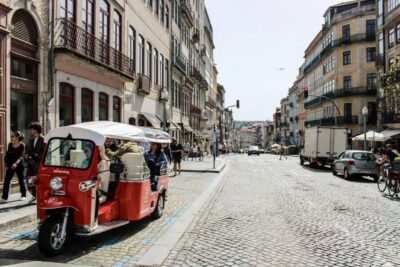
- Porto: Guided Tour by Tuk-Tuk & Optional Douro River Cruise★ 4.5 · 5,980 reviews
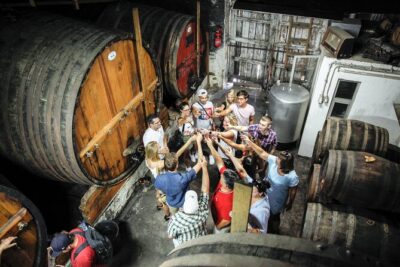
- Authentic Small Group Douro Wine Tour with Lunch & River Cruise★ 5.0 · 4,775 reviews
Port Wine Meets Six Bridges on the Douro
This is the kind of Porto activity that gives you instant perspective. From the water, you stop seeing Porto as only a set of streets and start seeing it as a system—river, hills, and bridges all working together.
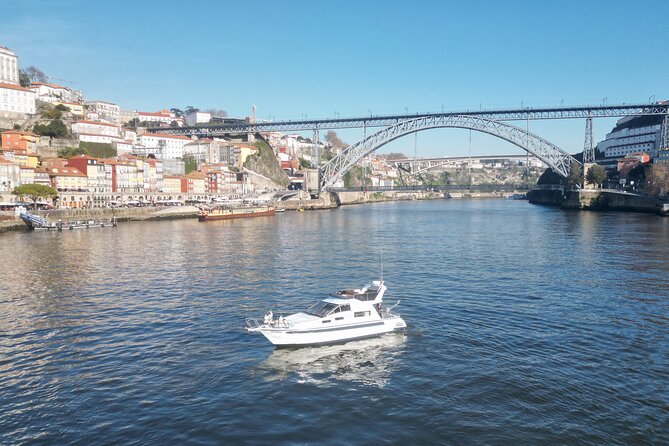
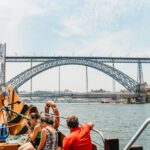
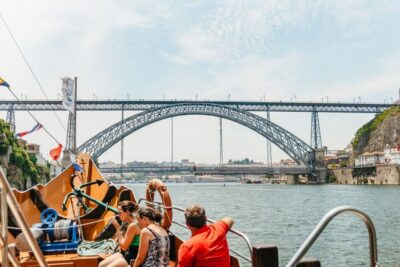
What makes it especially worth your time is the “bridge parade” concept. You don’t just pass famous structures; you get the human context: why they were built, how they changed the crossing between Porto and Vila Nova de Gaia, and what the names mean. The D. Luís I Bridge—metal, two-deck, built in the 1880s—sets the tone right away. Then the route keeps widening your view: Arrábida, the Infante Dom Henrique bridge (with name background tied to D. Maria Pia), and the São João Bridge, which exists partly because the older D. Maria Pia Bridge was getting replaced.
And yes, you start with a welcome port wine, which makes the first moments feel like you’re settling into the experience instead of just waiting for the sightseeing to start.
Meeting Point and the Boat Ride Feel (Comfort Matters)
You’ll meet at R. do Ouro 160, Porto, and the tour ends back at the same place. That round-trip setup is simple and low-stress, especially after a long day walking.
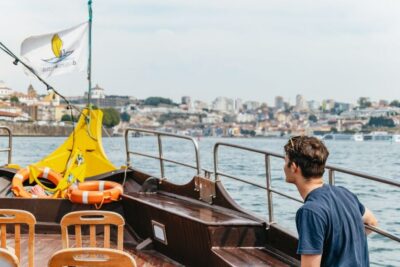
On the boat side, the big practical detail is comfort and space. Reviews point out that seating is comfortable and there’s enough room to move your view around without elbowing strangers. Many departures are small enough that it can feel close to private. I also like that crews seem to think about real weather: blankets get handed out when it turns chilly, and kids may be given life vests.
A quick heads-up: this is a speed-boat-type style craft. In real terms, that usually means you’ll feel the boat maneuver well and maintain a steady ride. But you might still notice the pace stays gentle for viewing—so it’s not a “hold on tight” adrenaline run. If you’re expecting a fast blast through the waves, you’ll likely find it calmer than that.
Finally, this is set up around a mobile ticket, so you’ll want your phone charged and ready.
The Bridge Facts You’ll Remember (Not Just Photos)
The itinerary is basically a guided tour of how the Douro helped Porto grow—by splitting the cities, then connecting them with engineering. Here’s what you’ll catch along the way.
D. Luís I Bridge: the two-deck icon
You’ll learn why this bridge matters architecturally and how its structure connects Porto and Vila Nova de Gaia. It’s the anchor point for the whole sail because it gives you a clear “before and after” sense of the river crossing.
In practice, this is also where your brain starts organizing the view. Once you see D. Luís I from the water, the next bridges stop feeling random. They feel like chapters in the same story.
Ponte da Arrábida: an arch bridge link
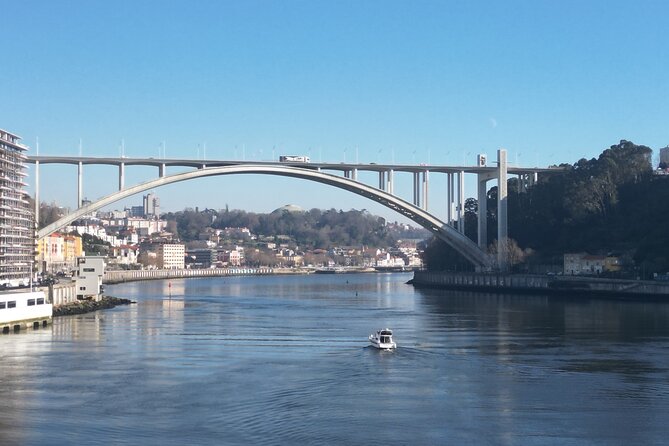
Next up is Ponte da Arrábida, another major crossing over the Douro. An arch bridge look changes the visual rhythm compared to the metal framework you’ve just seen. It’s a good moment to compare forms and talk about how crossings were planned as the cities expanded on opposite banks.
Infante Dom Henrique Bridge and the name of D. Maria Pia
After D. Luís I, the guide shifts to the bridge named for Infante Dom Henrique. Then you’ll hear who D. Maria Pia was and why that name gets attached to a bridge. That part is worth paying attention to because bridge names in Porto and Portugal often connect to real historical figures—not just “branding.”
São João Bridge: the rail crossing that replaced an older one
You’ll also see São João Bridge, described as a railway infrastructure carrying the Northern Line over the Douro, and built to replace the century-old D. Maria Pia Bridge. The practical takeaway for you: rail bridges are not just transportation. They’re also part of why a city keeps growing in specific directions.
So when you see the trains move overhead later in the city, this stop helps you connect that movement to the geography you just passed by.
Freixo Bridge: the upstream significance
Finally, Freixo Bridge is the most upstream on the Douro within this tour concept. Upstream views feel more open and a bit less crowded visually, which can make photos easier. It also gives you a sense of how the river changes as you go from the urban center toward the broader waterway.
Rabelos boats: the traditional Douro rhythm
Between bridges and viewpoints, you’ll pass by the Rabelos boats—traditional river boats associated with the Douro. The guide explains their characteristics, and you’ll get a feel for why these boats used to matter so much to the wine economy.
This is one of those stops that’s easy to overlook if you only care about bridges. Don’t. It’s the link between today’s views and what the river was doing for livelihoods for generations.
Porto and Gaia Banks: Ribeira, Myths, and the River as a Divider
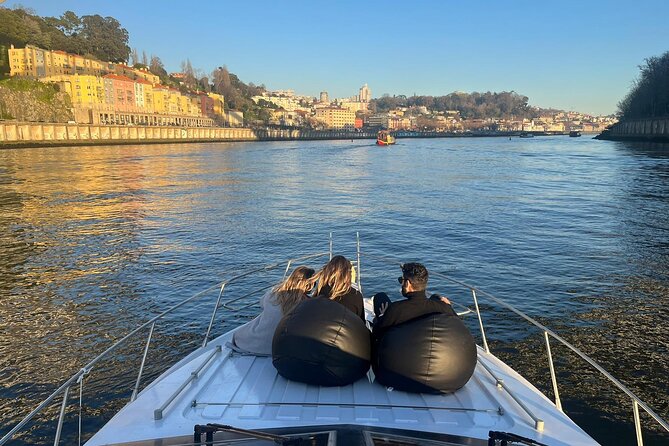
The core of the tour is that you’re seeing Porto and Vila Nova de Gaia in tandem. The Douro is the split, and the bridges are the glue, but the neighborhoods have their own moods.
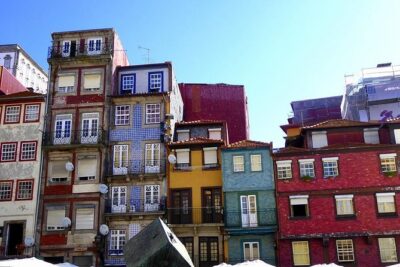
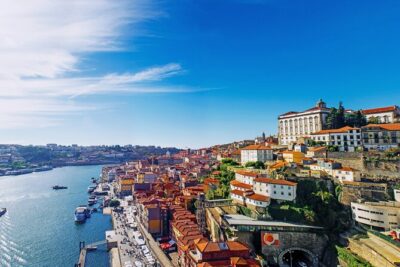
You’ll stroll through historical points on the water, including Ribeira, one of the oldest and most typical areas of Porto. It sits in the parish of São Nicolau and is part of the Historic Center of Porto (UNESCO World Heritage site). From the boat, you don’t have to fight crowds to understand why Ribeira is famous. You just watch the riverside architecture stack up along the banks.
The guide also shares stories and myths tied to the two cities. That’s important because Porto has plenty of “facts.” The myths are what make those facts stick in your memory, especially when you’re moving quickly and taking in a lot of views.
Old fishing village and Afurada energy
As the sail runs toward the coast side, you’ll see Afurada, an old fishing village. You won’t miss the fact that the Douro isn’t only about wine warehouses and views. It’s also about working riverside communities. That contrast is one reason the tour feels more real than a pure sightseeing-only cruise.
Cantareira to Foz do Douro: Beaches and Cultural Clues
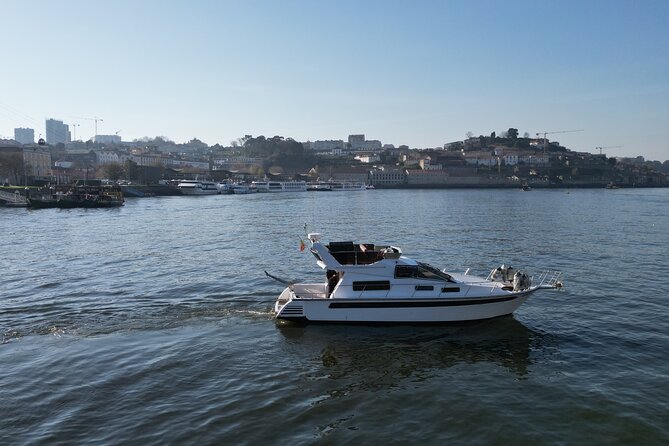
After you move past the bridge sequence, the scenery shifts toward what many people picture when they think of Porto beyond the historic center: coastal areas and beach zones.
Cantareira area: a singer tied to place
Approaching Cantareira, you’ll get a cultural reference point: a famous Portuguese singer who wrote about this area. The tour shows you little aspects of the neighborhood that make more sense once you hear the name behind it. This is the kind of detail that turns a shoreline you’d normally pass into something you recognize.
Foz do Douro: sea air and named beaches
Then you reach Foz do Douro, the affluent seaside area known for sandy beaches. The tour specifically calls out beaches such as Praia da Luz and Praia do Homem do Leme. Even if you don’t step onto the sand, you’ll get a clear view of how the neighborhoods face the sea.
If you like a mix of urban and coastal, this stretch is where your camera roll starts looking varied instead of repetitive.
Lighthouse stop: past use and when it was created
You’ll also discuss a lighthouse—when it was created and how it was used in the past. That lighthouse moment helps close the loop between river trade (boats, wine, navigation) and the ocean-facing need for guidance.
Cais de Gaia and the Opposite-Bank Perspective (The View Trick)
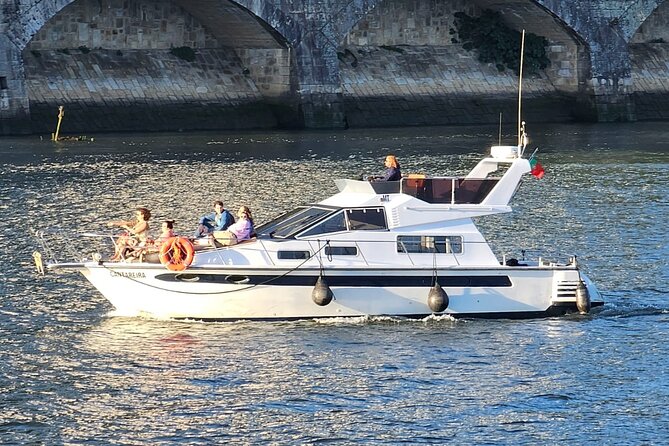
One of the most satisfying things about this cruise is the constant opposite-bank contrast. Cais de Gaia is on the left bank in Vila Nova de Gaia, and it’s described as a tourist area with terraces, restaurants, and bars opposite Porto’s UNESCO historic area.
From the boat, you understand why this area became a go-to: it’s not just the buildings. It’s the angle. You see Porto from a distance, then Gaia feels close enough that you can imagine walking and eating there after the cruise ends.
This is also why the tour works even if you only have part of a day. You leave with a “map in your head,” where the river is the organizing line and each bank has its own identity.
Sunset Options: When Late Afternoon Pays Off
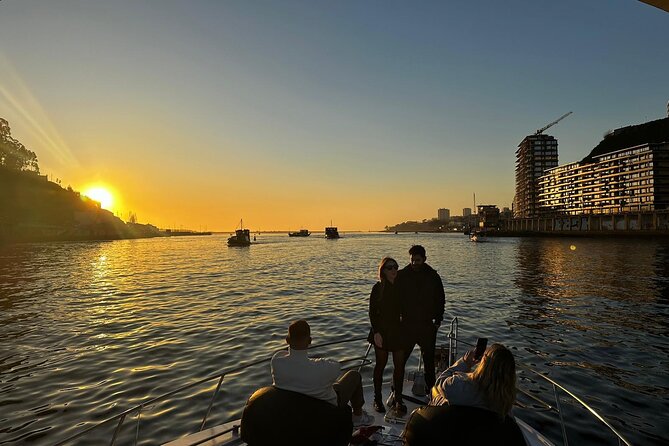
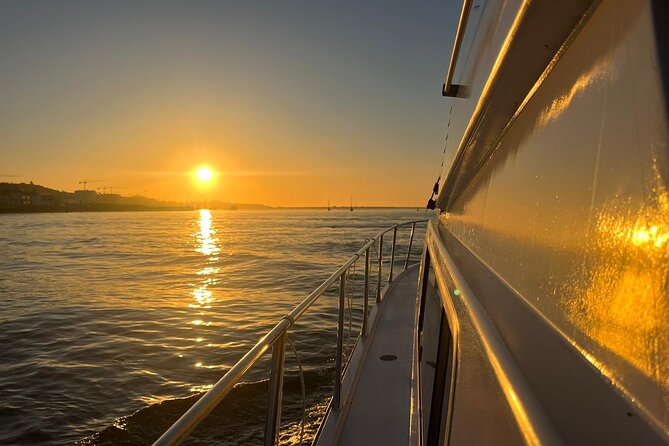
The tour is especially good late afternoon. The description promises that you might be rewarded with a magical sunset, and the ride naturally sets up for it—bridges first, then coastal light near the sea.
There’s one more practical reason to consider sunset timing: the views look better, yes, but you also often get a calmer, more atmospheric vibe along the river. Still, sunset also means cooler air. That’s why the blanket detail matters. If you don’t want to risk being cold, check the weather before you book and dress in layers.
And if you’re really lucky, you might spot dolphins near the sea portion. It’s not guaranteed, but the chance adds an extra layer of excitement to the open-water stretch.
Price and Value: Why $21 Makes Sense for What You Get
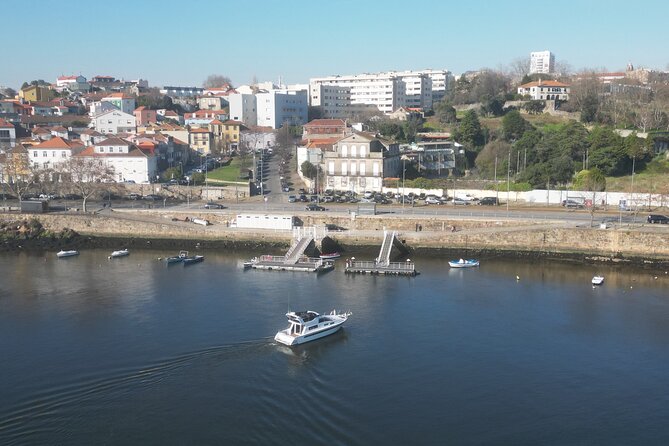
At about $21, you’re paying for a 2-hour guided river experience with a welcome port and a structured route that hits multiple major bridges plus coastal viewpoints.
Here’s the value angle I’d look at as a practical traveler:
- You’re buying time-saving sightseeing. Instead of piecing together bridges one by one, you get them in a single continuous sail.
- You’re getting narration with context. The bridge explanations and name backgrounds make the views feel less random.
- You’re paying less than you would for a longer private charter. The small group cap (max 8) helps you feel the difference without the big-ticket price.
- Comfort isn’t an afterthought. Blankets and kid-friendly safety gear show up in real departures.
Is it perfect? No. One review flagged that the dock departure felt out of the main center of boat activity and that the boat pace felt slower at times. If you’re sensitive to “getting there,” it’s worth having a simple plan for how you’ll reach R. do Ouro without stress.
But for the price, the overall package is hard to beat: multiple iconic structures, story-led guiding, and a real chance at sunset atmosphere.
Who This Tour Fits Best
This is a great match if you want:
- Views without the walking grind. You get Porto and Gaia from the water with minimal effort.
- A small-group feel. The max 8-person size helps keep the experience relaxed.
- Port wine with explanation, not just a sip. The tour builds meaning around what you’re tasting.
- Photos that show the city’s layout. Six bridges in sequence is very camera-friendly.
It also works well for families, since life vests may be provided for children and the ride is described as comfortable.
If you’re only interested in a single “must-see” spot, then you might find it a lot of moving pieces. But if you like the big-picture idea—how the river and bridges shape everything—this cruise is the kind of day that clicks.
Should You Book Douro Navigator’s Six Bridges Cruise?
If you have even a small window in Porto and you want to see more than the Ribeira waterfront from street level, I’d book this. The combination of small group comfort, a structured bridge route, and the port wine welcome makes it feel like a complete experience rather than a quick ride-through.
My recommendation is simple:
- If you can, choose a late afternoon slot for sunset light and the best chance at that golden river-to-ocean mood.
- Bring a layer even in fair weather. Blankets are there, but your body still prefers warm clothing.
- Arrive with a clear plan for reaching R. do Ouro 160 so the dock doesn’t feel like an awkward detour.
If that sounds like your kind of Porto day—river views, bridges, and a guide who keeps it friendly—then this is a very solid choice.
FAQ
How long is the Douro River Tour?
The tour lasts about 2 hours (approx.).
Is the tour in a small group?
Yes. The experience has a maximum of 8 travelers.
What’s included in the price?
Included is a welcome drink of port wine (alcoholic beverages). A mobile ticket is used for the activity.
Where does the tour start and end?
It starts at R. do Ouro 160, 4150-685 Porto, Portugal and ends back at the meeting point.
What’s the best time to go for views?
A late afternoon departure may give you a sunset. The tour also can include a chance to see dolphins near the ocean area.
What if weather is poor?
This experience requires good weather. If it’s canceled due to poor weather, you’ll be offered a different date or a full refund. Free cancellation is available up to 24 hours in advance for a full refund.
More Tours in Porto


More Tour Reviews in Porto

Back on the River, Bridge by Bridge

Fresh in the Porto notebook

Six Bridges River Cruises, compared.
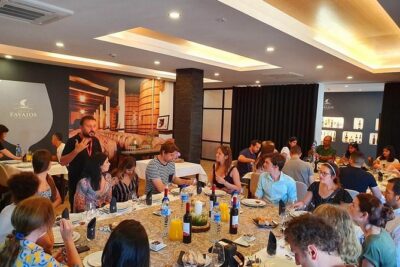 ★ 5.0Complete Douro Valley Wine Tour with Lunch, Wine Tastings and River CruiseFrom $10112,920 reviews
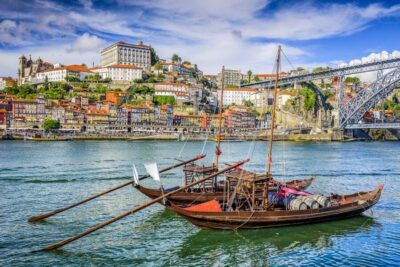 ★ 4.2Six Bridges CruiseFrom $2111,680 reviews
 ★ 4.36 Bridges Douro River CruiseFrom $236,472 reviews
 ★ 4.5Guided Tour by Tuk-Tuk & Optional Douro River CruiseFrom $205,980 reviews
 ★ 5.0Authentic Small Group Douro Wine Tour with Lunch & River CruiseFrom $1334,775 reviews
 ★ 4.2Bridges Cruise & Sunset & Port Wine Cellar OptionFrom $214,180 reviews
 ★ 4.3River Douro 6 Bridges CruiseFrom $174,168 reviews
 ★ 5.0Douro Valley Tour: 2 Vineyard Visits, River Cruise, Winery LunchFrom $1013,542 reviews
Browse the lists this tour appears in