

Reviewed · WINE TOURS
Dogma Wine Tasting – Serious Introduction
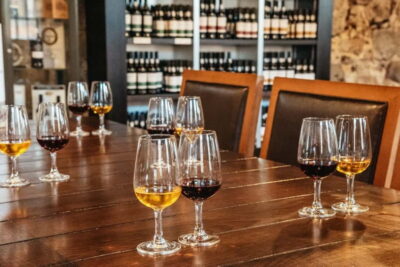
Portuguese wine learning, done the serious way. At Dogma Wine Bar in Portugal’s Norte region, I love how this tasting turns into a real wine lesson, guided by a senior sommelier and built around native grapes and small producers. You don’t just sip. You learn what you’re tasting, why it grows where it grows, and how Portuguese wine identity hangs together.
What I especially like is the focus on quality at every step: boutique wines, carefully selected styles, and a steady pace that makes the differences easy to follow. The second big win for me is the food pairing—bread, DOP olive oil, cheese, and dry cured Iberico ham—because it keeps your palate awake and helps you notice the wine, not just the snack.
One consideration before you book: this tasting is not suitable for children under 18, and it’s also not recommended for pregnant women. If you’re bringing an adult who loves wine (or wants to start loving it), great. If not, you’ll want a different kind of experience.
In This Review
- Key Things That Make This Tasting Worth Your Time
- Dogma Wine Bar Sets the Tone: Lesson First, Vibes Second
- Price and Value: Why $93 Can Make Sense Here
- Six Wines, Clear Pacing: How the Tastings Work
- Native Grapes 101: What You’ll Learn About Portugal’s Wine DNA
- Boutique Wines and Small Producers: Taste the Terroir, Not a Template
- Food Pairings That Actually Help You Taste
- Master of Port: A Second Lens on Portuguese Wine
- Who This Tasting Is Best For (and Who Should Skip)
- Practical Expectations: What to Do and How to Get the Most Out of It
- A Quick Note on the Experience Rhythm
- Should You Book Dogma Wine Tasting – Serious Introduction?
- FAQ
- Where is the Dogma Wine Tasting held?
- How long is the wine tasting?
- What does the tasting cost?
- How many wines will I taste?
- Are food items included?
- What languages are offered?
- Is there free cancellation?
- Can I reserve without paying right away?
- Is this tasting suitable for children?
- Is it suitable for pregnant women?
Key Things That Make This Tasting Worth Your Time
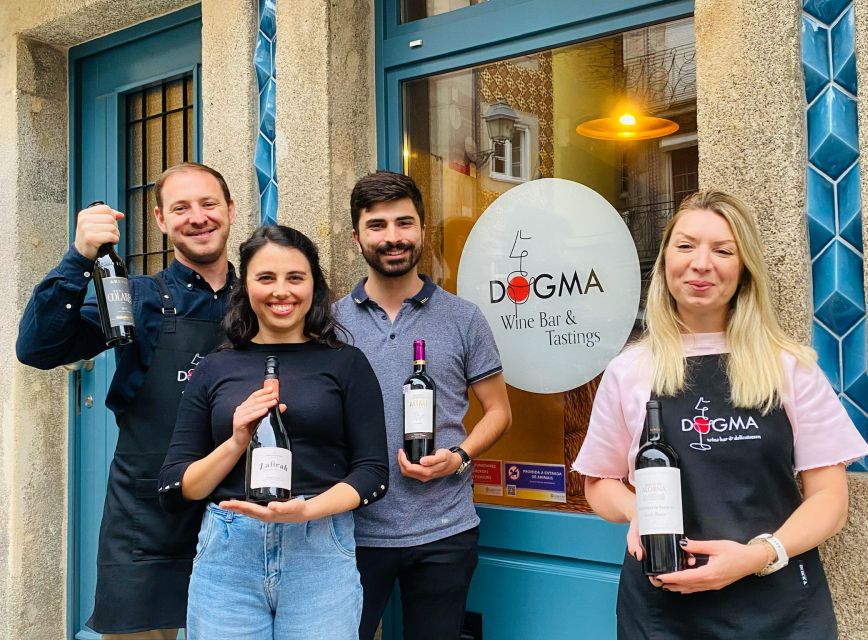
- Senior sommelier guidance throughout (English instruction).
- Six wine samples (~70 ml each), enough to taste differences clearly.
- A native-grape “DNA” lesson across multiple styles and locations.
- Real pairing support with DOP olive oil, cheeses, bread, and dry cured Iberico ham.
- Master of Port perspective, which adds a second lens for tasting and understanding.
- Boutique producers and limited-edition style selections, so it feels focused, not mass-market.
More Porto days out worth booking
- From Porto: Douro Valley w/ Boat Tour, Wine Tasting & Lunch★ 4.7 · 19,061 reviews
- Douro Valley Small-Group Tour with Wine Tasting, Lunch and Boat★ 5.0 · 3,642 reviews
- Porto: Cálem Cellar Tour, Fado Show & Wine Tasting★ 4.4 · 3,530 reviews
- Porto: Cockburn’s Port Lodge Tour and Tasting★ 4.8 · 3,360 reviews
Dogma Wine Bar Sets the Tone: Lesson First, Vibes Second
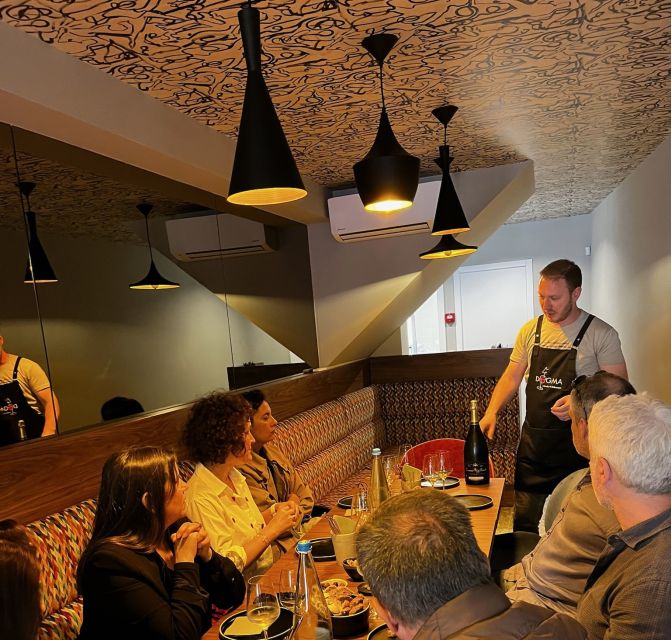
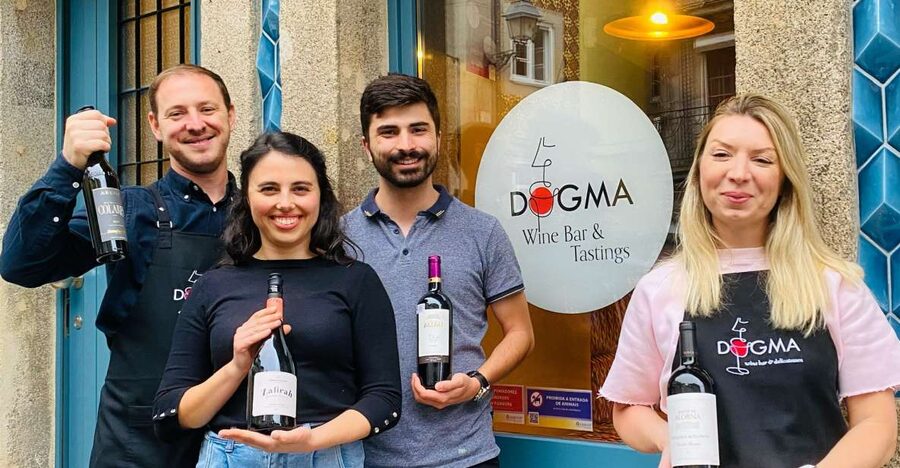
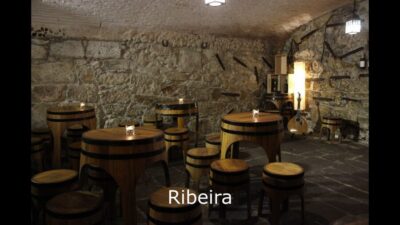
This tasting runs at the Dogma Wine Bar, and the room matters more than you might expect. The energy is relaxed, and the atmosphere feels made for tasting—so you can concentrate instead of rushing through a loud, crowded tour format.
What you’ll walk away with is a sense that someone in the room actually knows Portuguese wine inside out. In particular, the sommelier named Vasilii shows up in recent sessions with a very structured approach: he explains what the wine is, how it’s made, and what to notice while you taste. In one session, another host—Pierre—was also praised for his hosting style and knowledge, which tells me the focus stays strong even if the host role shifts.
Expect English guidance, and expect the tasting to feel like a classroom that doesn’t kill the mood. If you like questions, you’ll probably get them answered.
Price and Value: Why $93 Can Make Sense Here
At $93 per person for about 1.5 hours, you’re paying for three things at once: expert guidance, six real pours, and proper pairing bites (not just crackers).
Here’s the value logic I use: if you just buy a couple of glasses of wine at a bar, you might easily spend that much without learning much beyond what you personally like. This experience gives you six tastings (~70 ml each) plus snacks that are meant to work with the wines: bread and DOP olive oil, high-quality cheeses, and a dry cured Iberico ham sample.
Is it pricey compared to a casual tasting? Yes. Is it fair compared to a serious wine lesson that includes food and a guided tasting plan? For me, it stacks up well—especially if your goal is understanding Portuguese wine better instead of simply collecting sips.
Six Wines, Clear Pacing: How the Tastings Work
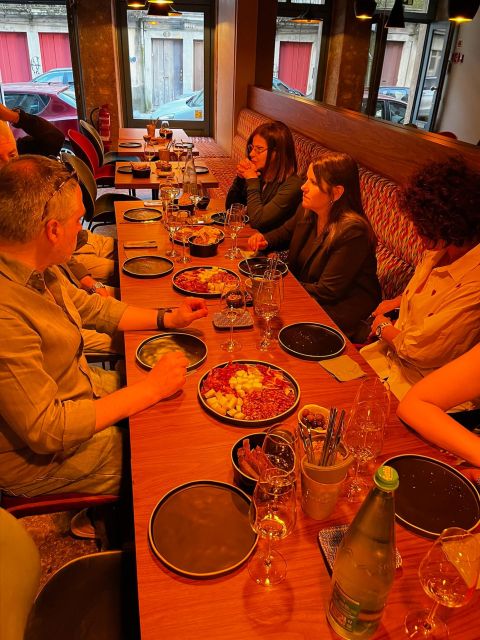
The tasting is designed around exactly six wine samples, each around 70 ml. That pour size is big enough to do more than a quick sip-and-salute. You can taste aroma, let the wine sit on your palate, notice texture, and then compare it to the next sample without feeling like you got cheated by tiny amounts.
The lineup is also structured for learning. You’ll taste 3 white wines and 3 red wines, with the intention of showing Portuguese wine identity from multiple angles. You’re not just sampling random bottles. The lesson is built to help you recognize patterns—like fruit character, acidity, structure, and how native grapes express themselves in different styles.
At the same time, keep in mind this is still a tasting, not a lecture marathon. In about ninety minutes, you’ll cover enough to build a mental map, but you won’t drown in details. One guest even reported their session ran close to three hours when conversation and chatting carried on—so if you enjoy talking wine, it might stay lively beyond the planned time.
Native Grapes 101: What You’ll Learn About Portugal’s Wine DNA
Portugal can feel confusing if you only know a few international grape names. This tasting tackles that directly by focusing on native grapes—the grapes that define the country’s flavor logic—and connecting them to their styles and locations.
The sommelier’s promise is simple and useful: you’ll be shown the main native grapes and how their typical styles appear across the tasting. You’ll hear how different grapes behave in white vs. red expressions, and you’ll get context for where they’re grown and why that matters for taste.
Here’s how this “DNA lesson” pays off in real-world travel. After one good tasting, you start reading wine menus differently. You stop treating Portuguese bottles like a mystery code and start asking better questions like:
- What grape is this?
- What style should I expect from this grape?
- Does the wine lean toward bright, crisp, savory, structured, or lighter fruit?
And because the tasting includes multiple whites and multiple reds, you’ll have a cleaner comparison set in your head. That matters more than people think. One wine can be a one-off. Six wines, grouped for learning, helps you spot trends.
More Porto days out worth booking


Boutique Wines and Small Producers: Taste the Terroir, Not a Template
A big part of why this experience feels “serious” is the insistence on small producers and wines that stay connected to terroir and native grapes. In other words, you’re not chasing a safe, standardized flavor profile.
That producer-focus shows up in how the lesson is delivered: you’re steered toward understanding why these wines taste the way they do, rather than just being told which ones are good. A recent guest called out the selection as limited editions and tied to real winemakers. Another praised the experience as quality-oriented, not just a general food-and-walking style tour where wine is an afterthought.
When you want authentic tasting value, producer choice is everything. It’s what turns a wine bar sampling into something that actually changes how you’ll shop later—back at a store, at a restaurant, or during your next wine stop.
Food Pairings That Actually Help You Taste
Let’s talk snacks, because they aren’t random here.
You’ll get:
- Bread and DOP olive oil
- High-quality cheeses
- A sample of dry cured Iberico ham
- And water during the lesson
Why that pairing list works:
- Bread + DOP olive oil helps reset your palate and gives you a savory baseline. Olive oil also plays nicely with many white-wine structures, especially when you’re trying to understand acidity and texture.
- Cheese brings both salt and fat, which can soften sharp edges in a wine and highlight fruit.
- Dry cured Iberico ham adds a smoky, savory intensity. That’s great for understanding how a red wine handles salt, fat, and cured-meat flavors.
The pairing approach is practical. It trains your palate to recognize how wine behaves next to food, which is exactly how you’ll drink wine in Portugal—at lunch, at dinner, with local plates around you.
Also, cheese platter size was called out as generous, which helps if you’re worried a tasting might be mostly drinking and very little eating.
Master of Port: A Second Lens on Portuguese Wine
One of the standout details in the experience description is the Master of Port angle. That matters because Port isn’t just a separate category—it’s part of Portugal’s broader wine culture and skill set.
The instructor is described as a senior sommelier with achievements related to Portugal’s sommelier world, including time as a semifinalist for a Master of Port title in the future. Even if you don’t plan to buy Port, the training perspective can change how you taste.
You might notice this in how reds are described: structure, intensity, balance, and how fruit shows up when there’s a stronger tasting frame. If you love the idea of Portuguese wine as a whole system—table wines plus fortified styles—this lesson gives you a bridge.
Who This Tasting Is Best For (and Who Should Skip)
This is for you if:
- You want a serious introduction rather than a casual tasting.
- You care about native grapes and want to understand what they taste like.
- You like high-quality food pairings that help your tasting, not food that distracts.
You might also enjoy this if you already know some wine terms but want a tighter handle on Portugal’s specific grape-and-region logic. One guest even compared it to other food experiences and said this was more quality oriented, which matches what the format feels like.
You should skip it if:
- You’re traveling with children under 18 (it’s not suitable).
- You are pregnant (it’s not recommended).
- You want a low-effort, purely social activity. This experience is meant to teach you while you taste.
Also, bring good curiosity. The instructor’s tone is clearly “learn with us,” not “sit there and watch.” If that mindset fits you, you’ll have a better time.
Practical Expectations: What to Do and How to Get the Most Out of It
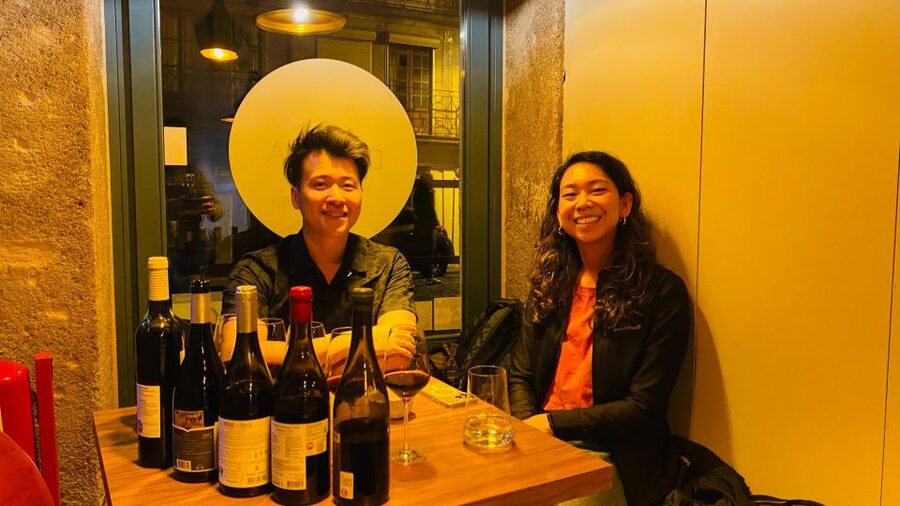
You don’t need to be a wine expert. You do need to show up mentally ready to taste.
To get the most value from the six pours, I’d suggest doing two simple things:
- Pace yourself. Six samples is plenty, especially with food and conversation.
- Ask questions about the native grape logic. If you hear a grape mentioned, ask what style it usually brings in Portuguese whites vs. reds.
The lesson is in English, so if English is your working language, you’re set. If you’re rusty with wine vocabulary, that’s fine; you’ll still get guided tasting cues.
And if you’re the type who likes to keep talking after a tasting, know that one guest reported their time extended to nearly three hours. That tells me the atmosphere can be social—within the serious teaching format.
A Quick Note on the Experience Rhythm
There isn’t a lot of moving around. This is not a multi-stop bus day. It’s an focused sit-down wine lesson at one place, designed for understanding.
That can be a huge plus. You don’t lose time transitioning, and you keep your palate consistent. It also means you can walk in, get guided right away, and leave with a clear sense of what you learned.
Should You Book Dogma Wine Tasting – Serious Introduction?
Book it if your goal is a real Portuguese wine education in a short window. The combination of senior sommelier guidance, six meaningful tastings, and proper food pairing makes it a strong value for people who want more than a casual drink.
Skip it if you only want light sampling, or if adult-only rules don’t fit your group. Also skip it if you’re not interested in learning native-grape styles—because this tasting is built to teach, not just to entertain.
If you’re deciding between a “random wine bar tasting” and a guided lesson, choose this one. You’ll spend the same kind of money either way, but here you’re buying a structured way to understand Portugal’s wine identity.
FAQ
Where is the Dogma Wine Tasting held?
It meets at Dogma Wine Bar.
How long is the wine tasting?
The duration is 1.5 hours.
What does the tasting cost?
The price is $93 per person.
How many wines will I taste?
You’ll taste 6 wine samples, each about 70 ml.
Are food items included?
Yes. The tasting includes bread and DOP olive oil, high-quality cheeses, and a dry cured Iberico ham sample, plus water.
What languages are offered?
The instructor provides guidance in English.
Is there free cancellation?
Yes. You can cancel up to 24 hours in advance for a full refund.
Can I reserve without paying right away?
Yes. The experience offers a reserve now & pay later option.
Is this tasting suitable for children?
No. It’s not suitable for children under 18.
Is it suitable for pregnant women?
It’s listed as not suitable for pregnant women.
More Wine Tours in Porto

More Food & Drink in Porto



More Tour Reviews in Porto


Fresh in the Porto notebook





Wine Tours, compared.
 ★ 4.7From Porto: Douro Valley w/ Boat Tour, Wine Tasting & LunchFrom $8219,061 reviews
 ★ 5.0Complete Douro Valley Wine Tour with Lunch, Wine Tastings and River CruiseFrom $10112,920 reviews
 ★ 4.7Douro Valley with Winery Lunch, Tastings & CruiseFrom $997,002 reviews
 ★ 4.8Live Fado Show with Glass of Port WineFrom $236,498 reviews
 ★ 4.9From Porto: 2 Wine Regions, Farm-to-Table Lunch & BoatFrom $945,724 reviews
 ★ 5.0Douro Valley: Historical Sites, Wine Experience, Lunch & CruiseFrom $1075,133 reviews
 ★ 5.0Authentic Small Group Douro Wine Tour with Lunch & River CruiseFrom $1334,775 reviews
 ★ 4.2Bridges Cruise & Sunset & Port Wine Cellar OptionFrom $214,180 reviews
Browse the lists this tour appears in