Reviewed · PORTO
Crimes & Mysteries
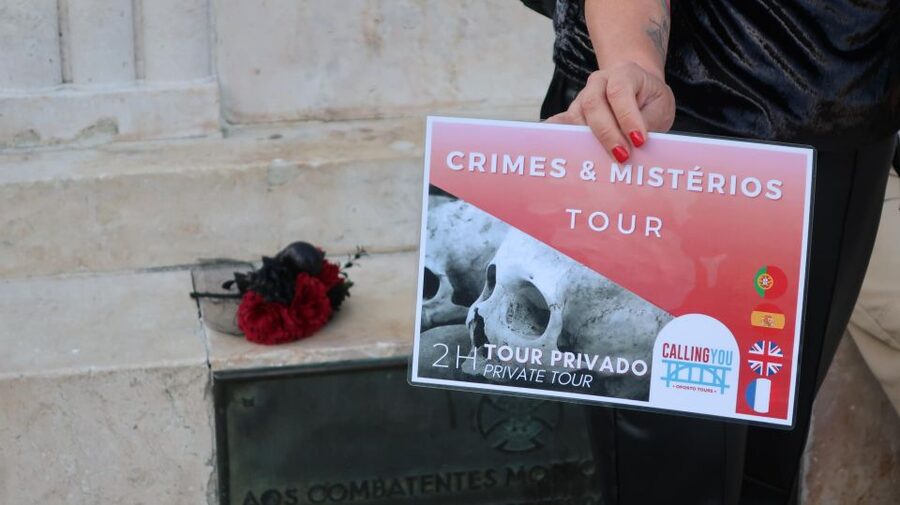
Porto gets dark fast on this walk. This 2-hour Crimes & Mysteries tour uses a live storyteller to steer you through Porto’s darker legends, starting in Carlos Alberto Square and ending at São Bento. It’s scary in the fun way, with jokes mixed into the chill.
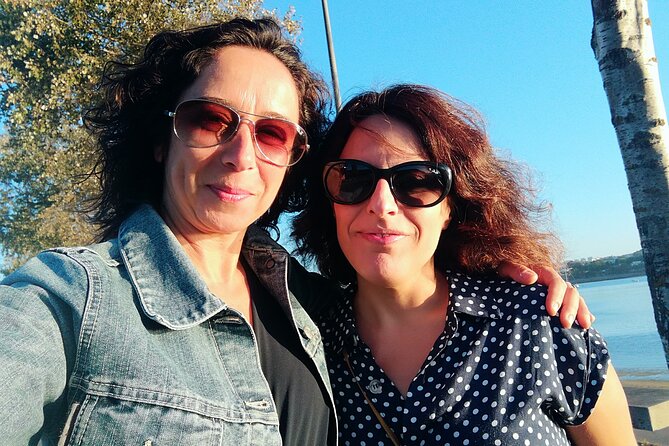
I love two things most: the small group size (10 people max) and the way the guide handles pacing like a storyteller, not a lecturer. In particular, Sandra comes through as warm, personable, and easy to follow, with stories tailored to the mood of the group.
One consideration: this is not for everyone. It’s not suitable for people with mobility impairments or wheelchair users, and the route includes uneven old-street walking in tighter areas.
In This Review
- Key Things To Know Before You Go
- A Storyteller-Led Porto Underbelly in 2 Hours
- Starting at Carlos Alberto Square: Where the Night’s Story Begins
- Clérigos Church and the Price of Power
- Narrow Streets and the Quiet Pressure of the Jewish Quarter
- The Famous Door Mystery: Crime for Greed, Details Erased
- The Haunted Hotel Moment and the Smell of Old Smoke
- Ending at São Bento Station: Stories Hidden in the Decoration
- Price and Group Size: Is $47 Worth It?
- When This Tour Fits Best (and When It Doesn’t)
- A Quick Reality Check for Your Evening Plans
- Should You Book Crimes & Mysteries in Porto?
- FAQ
- How long is the Crimes & Mysteries tour in Porto?
- Where does the tour start and end?
- How much does it cost?
- Is this tour a small group?
- What languages are available for the live guide?
- What’s included in the ticket price?
- Is the tour scary, or more funny?
- What is the cancellation policy?
- Is it suitable for wheelchair users or people with mobility impairments?
Key Things To Know Before You Go

- Interactive storytelling setup: you’re served a mysterious poison and the tour plays with timing and suspense.
- Carlos Alberto Square to São Bento: you’ll see major landmarks while staying focused on the city’s darker side.
- Clérigos area clues: executions get explained through money and status, not just crime.
- Jewish quarter side streets: narrow lanes help the scandal-and-grief mood land fast.
- A crime framed as a door mystery: you’re led to a famous door tale where details feel erased.
- São Bento’s station art as a final “story wall”: you finish by reading crimes hidden in the decoration.
Weighing up your days in Porto? Here are a few more worth pinning to the map.
- The Unvanquished Tour in Porto City Center★ 5.0 · 26,497 reviews
- From Porto: Douro Valley w/ Boat Tour, Wine Tasting & Lunch★ 4.7 · 19,061 reviews
- Complete Douro Valley Wine Tour with Lunch, Wine Tastings and River Cruise★ 5.0 · 12,920 reviews
- Porto: Douro Valley with Winery Lunch, Tastings & Cruise★ 4.7 · 7,002 reviews
A Storyteller-Led Porto Underbelly in 2 Hours
This isn’t a sit-and-stare museum tour. You’re walking, listening, and getting pulled into a narrative with humor and a little theatrical menace. The format is simple: you start with a “what did we just do?” moment, then you move from place to place as the guide ties locations to stories that feel half-forgotten and half-revived.
The 2-hour length is a sweet spot. It’s long enough to feel like a real experience, but short enough that you’re not stuck when your energy dips. And with up to 10 people, it stays lively. You can hear clearly, and the guide can adjust the tone as you go.
I also like that the tour is pitched as both chilling and funny. That matters in Porto, because the city already has a natural theater to it: stone, arches, old corners, and people out at night. This experience uses that setting to keep the mood fun rather than grim.
Starting at Carlos Alberto Square: Where the Night’s Story Begins
Your tour begins at Carlos Alberto Square, a place that on the map looks like just another central stop. On the ground, it becomes a staging area for the guide’s opening act. Expect the vibe to shift quickly from normal street life to “wait, what’s happening now?”
Then comes the interactive element: you’re served something mysterious, and you synchronize your watches with the guide. It’s not about medical facts or real-world horror. It’s a storytelling tool. It makes you pay attention, and it gives the tour a start point you’ll remember.
If you’re the type who likes history, great. If you’re the type who likes a good ghost-story twist, also great. The guide’s performance style keeps you oriented, so you’re not wandering while trying to connect the dots.
Clérigos Church and the Price of Power
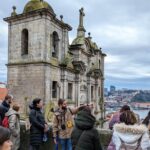
From Carlos Alberto Square, the route moves toward Clérigos Church. Even if you know Porto’s highlights, this leg feels different because the focus isn’t architecture first. The focus is motive, punishment, and the way the powerful managed consequences.
You pass by a city prison, and the guide uses that to set up a key idea: executions weren’t simply about the crime. In this tour’s telling, they were shaped by what the person had—especially money. That’s a bleak theme, but it lands because you’re moving through real spaces that people actually associate with justice, control, and punishment.
Near there you also reach a miradouro that guards dark stories. A viewpoint can turn into a stage the second you start listening closely. The guide uses the height and the sightlines to underline the contrast: pretty panoramas with ugly stories attached.
You’ll hear about the use of special tools described as piety tools that were invented and shaped over centuries. Even if you don’t remember every detail, the point sticks: the tour wants you to see how society justified cruelty through “religion” and ritual language.
Narrow Streets and the Quiet Pressure of the Jewish Quarter
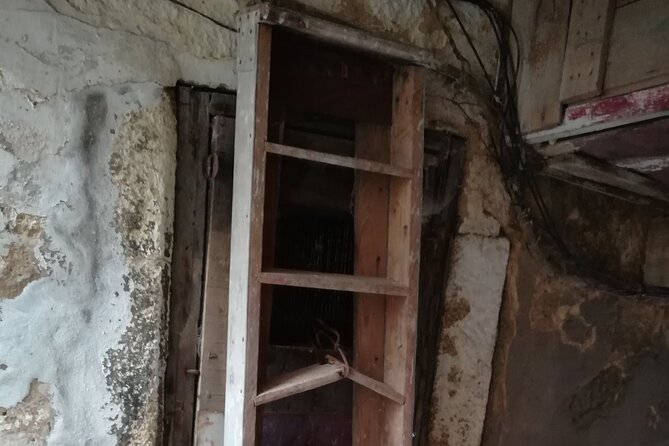
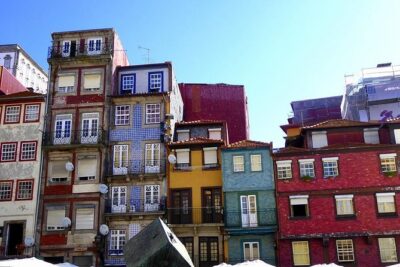
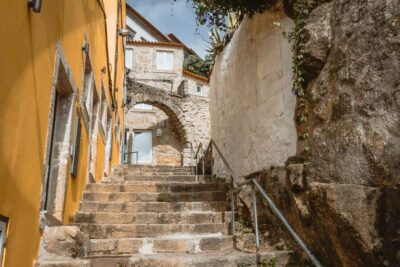
Next, you move through the Jewish quarter. The streets become tighter and darker in feel, and that change matters. This part isn’t just dramatic lighting. It’s practical storytelling geography. Narrow alleys force you to slow down, and slower walking makes it easier to follow the plot.
Here, the guide leans into scandalous stories of love, lust, and death. Porto already has plenty of romance in the typical travel storyline, but this is the version with consequences. The humor-to-spook balance continues, so you’re not left only with dread.
One of the most effective tricks is how the guide guides your attention. You’re not just hearing facts. You’re being steered toward memories of places: a certain corner, a certain doorway, a sense of where a story might have lived once. It makes the “dark past” feel local and personal instead of like distant trivia.


The Famous Door Mystery: Crime for Greed, Details Erased
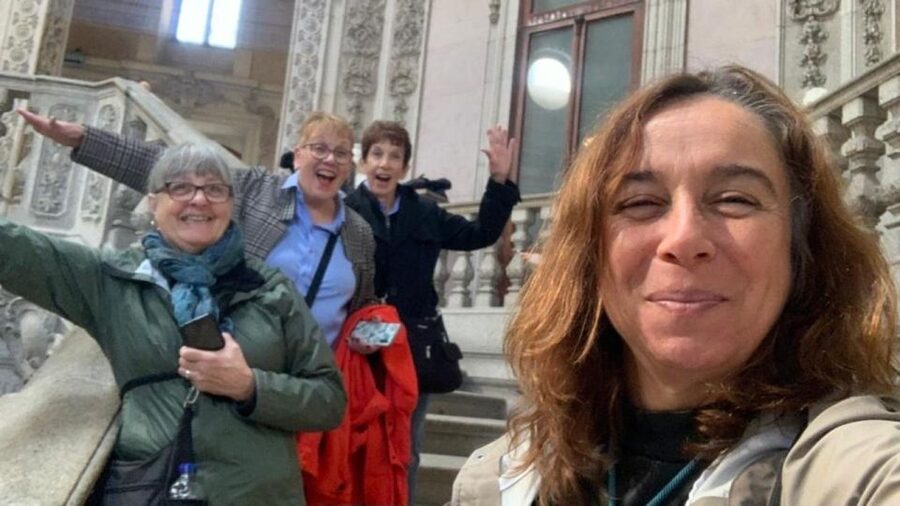
In the Jewish quarter area, you’ll hear about a famous door tied to an infamous crime for greed. The story includes a kind of mystery: the door’s number and story have been erased from the city’s memory—or maybe not, depending on how you interpret the guide’s challenge.
This is one of those moments where the tour becomes more than a guided walk. It turns into a puzzle, and you get to participate by noticing what’s around you. A door in a historic neighborhood isn’t just a door. It’s a prop. And when the guide frames it as such, the whole street starts to feel like a set from an old crime play.
I like this approach because it avoids heavy-handed lectures. You’re learning through attention and imagination. You come away with mental images, which is how real stories stick.
The Haunted Hotel Moment and the Smell of Old Smoke
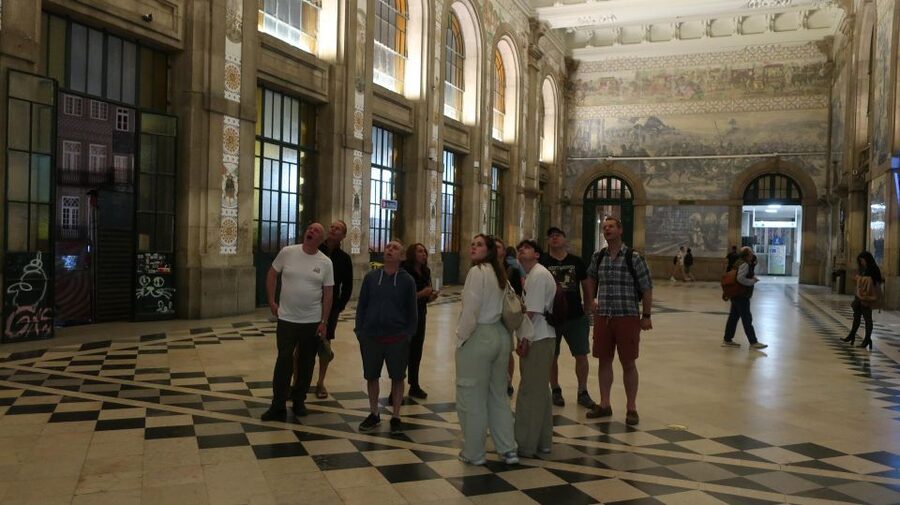
The tour doesn’t stop at one dramatic story. You’ll also hear about a haunted hotel nearby, where the smell of smoke still lingers in the guide’s telling. That line is classic spooky-story language, but it works because the tour is building atmosphere step by step.
This is the part where you can relax and let the performance go a little bigger. You’ve already been through the prison-and-punishment setup, and you’ve already walked the tight streets. The haunted-hotel moment is the emotional punctuation mark: a reminder that folklore grows where truth is messy.
If you prefer your history straight and dry, you might want to keep an ear on what’s “storytelling framing” versus what’s described as fact. The guide’s tone is part of the deal here. The value is in the way she makes Porto feel like a living narrative.
Ending at São Bento Station: Stories Hidden in the Decoration
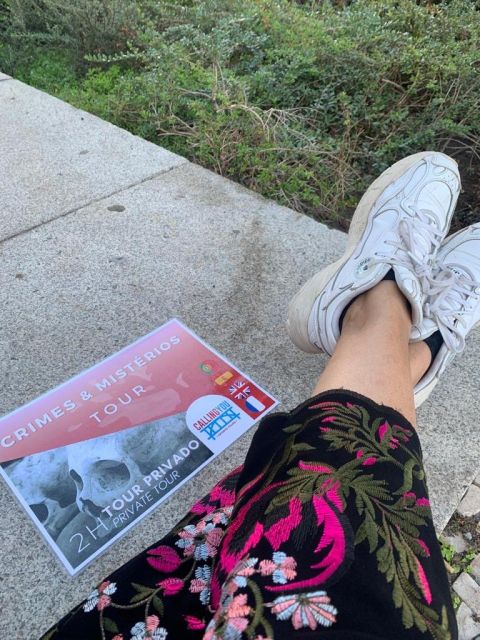
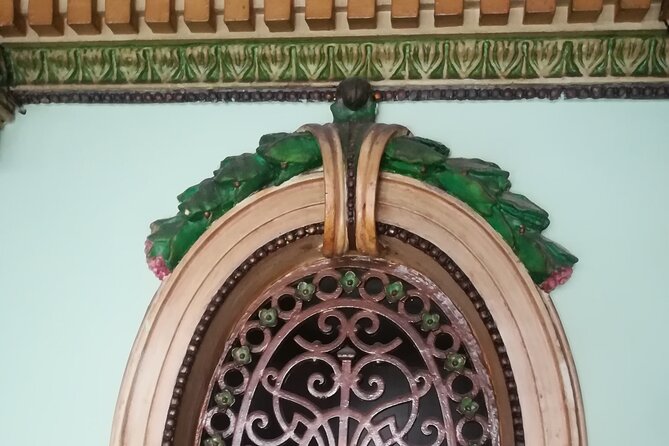
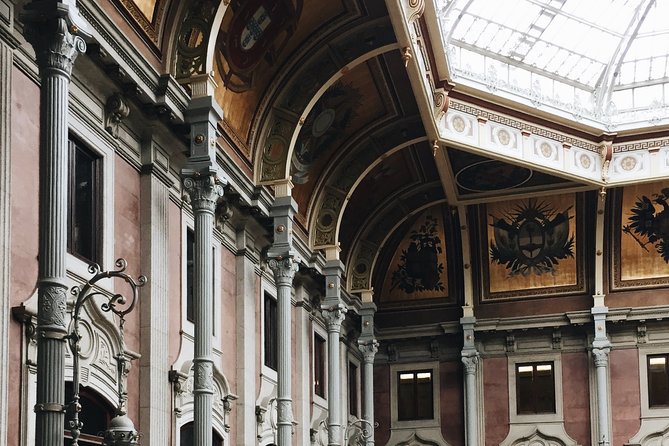
You finish at São Bento station, one of Porto’s most recognizable interiors. But instead of focusing only on trains and tiles, the guide pulls you into the details. Hidden in the decoration, you’ll notice small but immense stories tied to historical crimes.
This ending is smart for two reasons. First, station light is good for visibility, so you can actually read and look closely. Second, it gives you closure: your “dark Porto” walk lands in a place visitors often treat as scenery. Here, you treat it like text.
And because the tour ends near a major transit hub, it’s easy to roll straight into dinner afterward. You’re not walking back across town in a fog of confusion. You can eat while the stories are still buzzing in your head.
Price and Group Size: Is $47 Worth It?
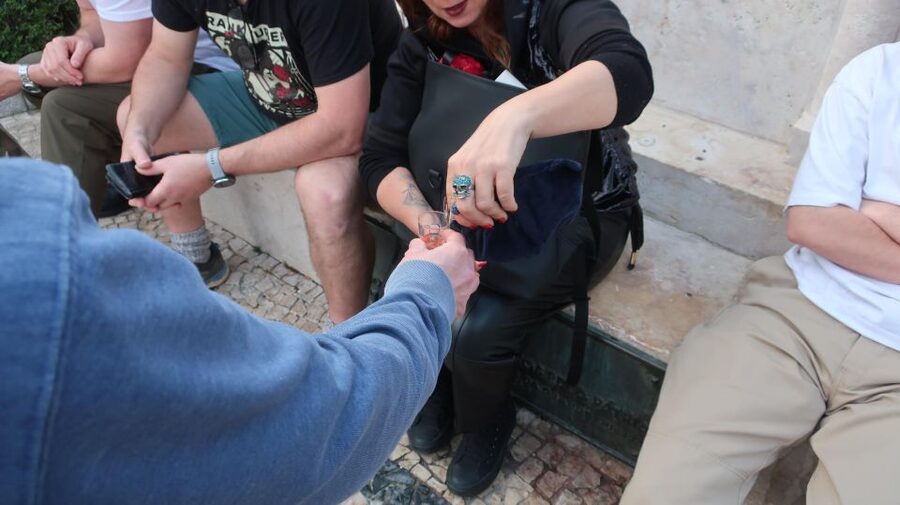
At $47 per person for a 2-hour live guided walk in a group of up to 10, the value is in the format, not in a museum-style product. You get a live storyteller, you get an included welcome drink, and you get an experience that’s meant to be remembered.
What makes the price feel fair is the combination of things that add up:
- short time commitment with full entertainment value
- small-group setting for clearer listening and better tone control
- multiple language options (English, Italian, Spanish, Portuguese) with the same core performance
- a tour plan that changes the mood at each stop instead of repeating themes
Also, Sandra’s style seems to matter. In the feedback I’m using to shape my expectations, people highlight that she’s personable and good at explaining without rushing. That helps you get more out of each stop, which is exactly what you want in a short evening activity.
When This Tour Fits Best (and When It Doesn’t)
This is ideal if you like any of these:
You want a different Porto angle than the usual postcard route.
You enjoy spooky storytelling that mixes fear with jokes.
You like interactive moments, where you’re part of the experience rather than just watching.
You should think twice if:
You need full wheelchair accessibility or mobility-friendly routes. The tour isn’t suitable for wheelchair users, and the route is built around walking through older streets and tight areas.
You strongly dislike horror-style themes. The tour leans into chilling setup, poison imagery, and haunted folklore.
If you’re traveling with friends, this is also a great group choice. It’s lively without being chaotic, so you can trade impressions afterward while still remembering details.
A Quick Reality Check for Your Evening Plans
This walk is designed so you can end it around dinner time. The tour finishes at São Bento station, which makes it practical to keep moving after the stories. You’ll also likely want something warm to drink afterward—because the vibe is spooky, even when it’s funny.
Dress like you’re walking through older streets for about two hours. Comfortable shoes are a must. Even if the guide keeps the pace manageable, you still want traction and flexibility for stone sidewalks.
Should You Book Crimes & Mysteries in Porto?
If you want Porto to feel like a story instead of a checklist, yes, book it. The $47 price makes sense for a short, small-group, live-performance experience with an included drink and a strong guide-led personality—especially if you’re excited by crime legends that connect real locations to dark tales.
I’d skip it only if accessibility is a hard requirement for you or if spooky storytelling isn’t your thing. Otherwise, this is one of those evenings where you see the city through a new lens and leave with images you can’t Google away.
FAQ
How long is the Crimes & Mysteries tour in Porto?
The tour lasts 2 hours.
Where does the tour start and end?
It starts at Carlos Alberto Square and ends at São Bento station.
How much does it cost?
The price is $47 per person.
Is this tour a small group?
Yes. It is limited to 10 participants.
What languages are available for the live guide?
The live guide runs in English, Italian, Spanish, and Portuguese.
What’s included in the ticket price?
You get a welcome drink.
Is the tour scary, or more funny?
It’s described as the scariest and funniest two hours of your stay, with chilling stories told in an entertaining tone.
What is the cancellation policy?
You can cancel up to 24 hours in advance for a full refund.
Is it suitable for wheelchair users or people with mobility impairments?
No. It is not suitable for people with mobility impairments or wheelchair users.