
Reviewed · AVEIRO & COSTA NOVA DAY TRIPS
Combo: Porto City Half-Day Tour & Aveiro Half-Day Tour
Porto and Aveiro, tied together by water. This combo tour strings together UNESCO Porto icons, a real port cellar tasting, and a moliceiro boat ride in Aveiro’s canals—so you leave with the how and the why, not just photos. I especially liked how the story connects the river to the sea, and how the day moves from UNESCO Porto streets to Aveiro’s waterways.
I love the port wine tasting part most: you’re shown how port is made, you get to see some of the rare bottles currently in the cellar, and then you taste what you just learned about. I also love the Aveiro moliceiro cruise, because it turns the city’s canals into something you can actually feel—salt, fishing, and river life made visible.
One heads-up: the itinerary can feel rushed, especially if your group needs extra language handling or if a stop runs behind schedule. If you want lots of free wandering time, build in some extra hours on your own.
In This Review
- Key highlights that make this combo worth it
- Porto’s UNESCO center: São Bento tiles, the Cathedral, and Lello’s storefront
- A port wine cellar visit: how port is made, plus a tasting that’s actually useful
- The Porto-to-Aveiro connection: river, sea, and salt as the city’s backbone
- Aveiro’s canals from the fish market: starting with views, then cruising
- Guide quality and group size: what to expect from 8 to 27 people
- Price and value: what $84 buys you (and what it doesn’t)
- How to fit this tour into your Portugal plan
- Should you book the Porto + Aveiro combo?
Key highlights that make this combo worth it
- São Bento tile stop: See those famous Portuguese azulejos that map key moments in the country’s story.
- Port cellar visit with tasting: Learn the process and then taste the results.
- Rare bottles on display: You’ll get a peek at bottles that aren’t part of the everyday “buy and go” story.
- Aveiro fish-market views: Start with a strong vantage point over the canal area.
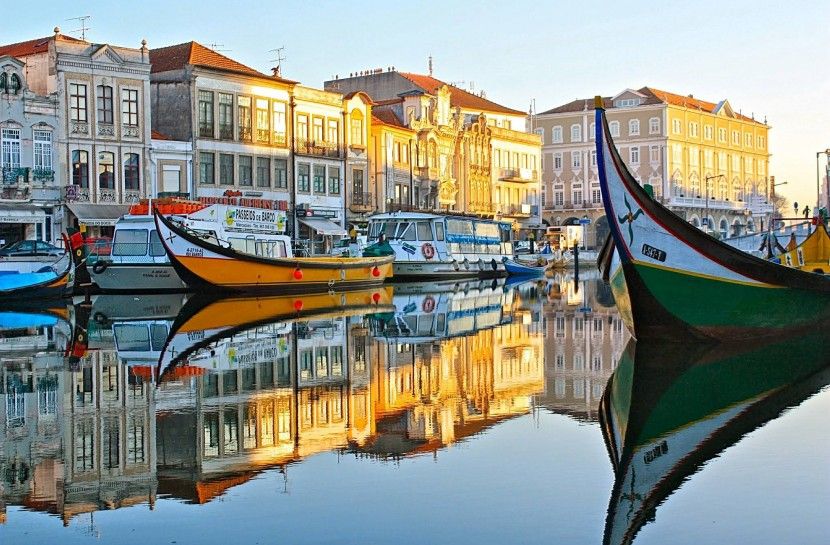
- Moliceiro boat ride: Travel by a traditional boat decorated with local motifs.
- Small-group feel: The group size stays in a set range (8 to 27), and the Aveiro portion often feels easier to track than you’d expect.
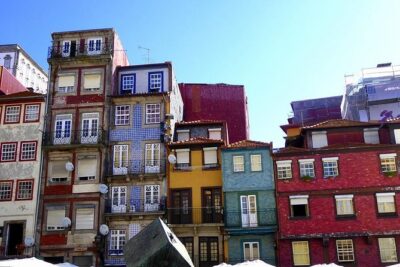
Canals, moliceiros and the striped houses of Costa Nova
- Aveiro and Costa Nova Half Day Tour from Porto with Boat Ride★ 4.5 · 1,522 reviews
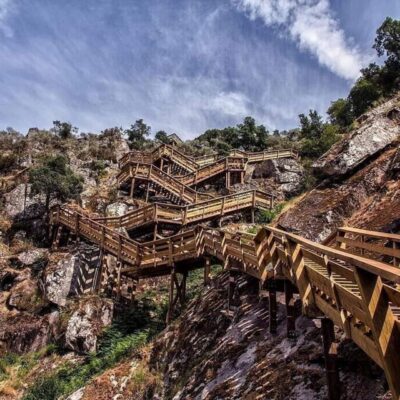
- From Porto: Aveiro, Paiva Walkways, & Suspension Bridge Tour★ 4.9 · 1,357 reviews
- Aveiro: Half-Day Tour from Porto with Optional Cruise★ 4.4 · 1,266 reviews
- Porto: Aveiro, Cruise, Costa Nova & Capela da Pedra Full Day★ 4.6 · 1,039 reviews
Porto’s UNESCO center: São Bento tiles, the Cathedral, and Lello’s storefront
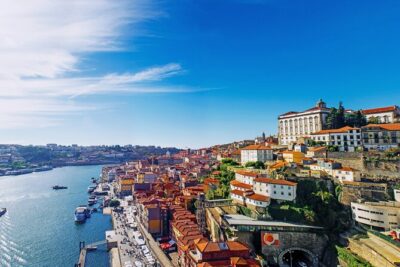
Porto begins with a walk in the historic center, where the streets do most of the talking. Your route typically starts around the São Bento area, and you’ll make classic photo-and-understanding stops rather than just passing by them.
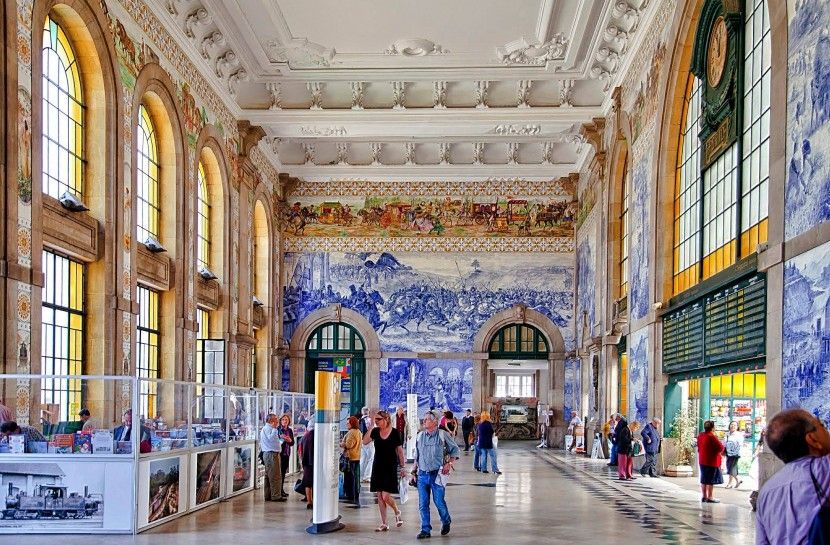
São Bento train station is the first must-see. The reason it works on a half-day-style walking segment is simple: you’re not just looking at tiles, you’re using them as a guide. Those ceramic scenes connect Portuguese history to place, and you’ll come away with a better sense of what you’re standing in front of.
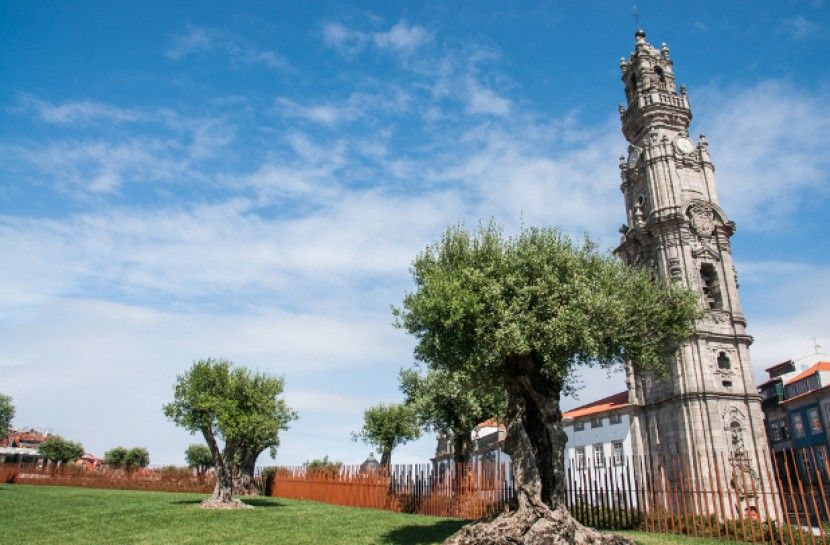
You also visit the Cathedral. Even if you’re not a big church person, this stop helps you “read” Porto. It anchors the old city with a clear landmark, and it gives your later port-and-ship story somewhere grounded to start.
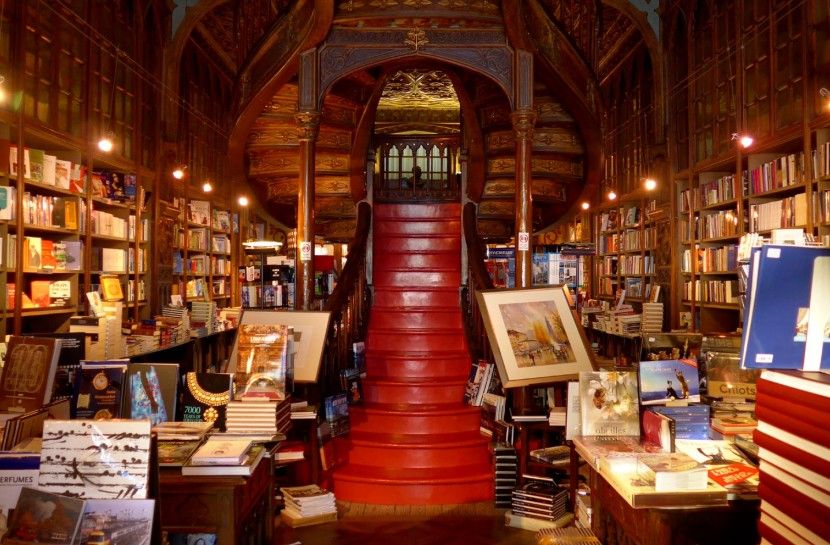
Then there’s Lello’s bookstore. You stop there as part of the walking flow, which is great for orientation. If you’re the type who wants to actually go inside, plan for it separately because the tour stop isn’t framed as an included entry.
Practical tip: wear shoes that handle uneven stone. This isn’t a sit-down day until the cellar and the boat.
A port wine cellar visit: how port is made, plus a tasting that’s actually useful
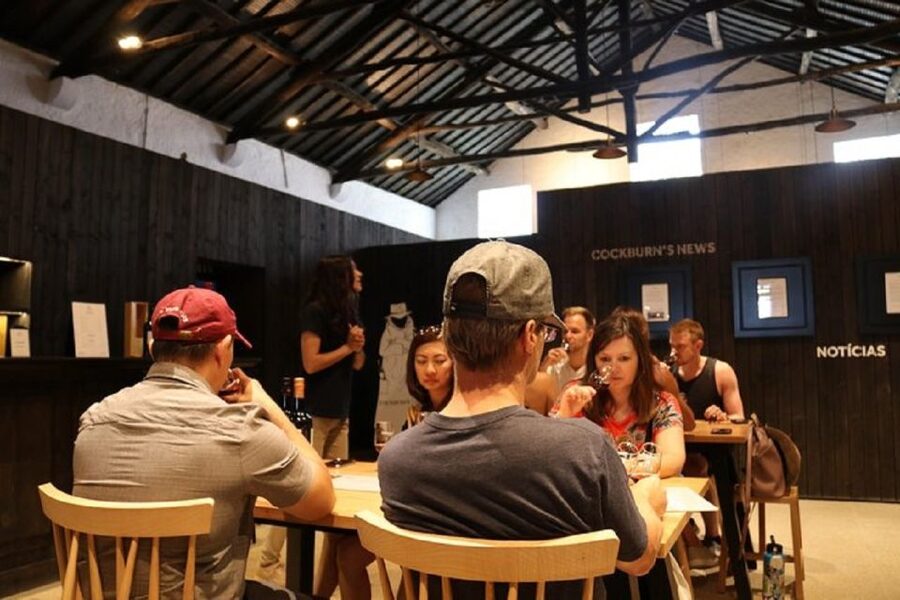
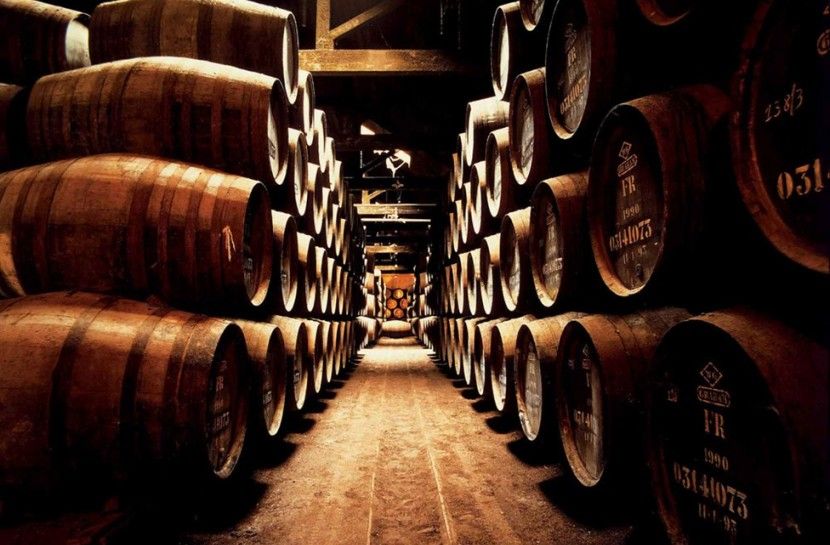
The port wine portion is where this tour earns its money. It’s not only a “come taste, smile, move on” stop. You get a guided visit where you learn the basics of how port is made, then you taste what you just learned about.
I like this order because it makes the tasting less random. When you understand what you’re tasting, you start noticing differences instead of just judging sweetness or strength.
You’ll also see some rare bottles that are currently in the cellar. Even if you never plan to buy them, it’s a good reality check about port as a living tradition, not a single product. It helps you understand why people treat port like a category with many styles and timeframes.
During the tasting, don’t feel pressured to pick a favorite immediately. Taste, then ask questions about what makes each style different. If your guide is like Hilton or Tiago Santos (both named in past guide feedback as strong, friendly guides), you’ll likely get clear explanations that don’t feel like a lecture.
Note: food and drinks beyond the tasting aren’t included, so don’t assume the cellar replaces lunch. Plan to eat after, or carry a snack for later.
The Porto-to-Aveiro connection: river, sea, and salt as the city’s backbone
Aveiro’s story is different from Porto’s. In Porto, you’re in UNESCO streets and old stone. In Aveiro, the day shifts toward the practical side of history—how people earned a living from the river, the sea, and salt production.
This context matters because it changes how you experience the canals. Instead of treating Aveiro as just a pretty water-town, you start recognizing the logic of it: channels for movement, boats for work, and a culture built around water access.
This is also where your guide’s job really shows. A good explanation turns the ride into a narrative: why the boats look the way they do, why the city developed where it did, and what the river meant to everyday residents.
And because this combo is a full 8 hours, you’ll have time to settle into the change of tone. It’s not just one quick Aveiro stop tacked onto a Porto day. You get a real shift from wine country storytelling to water-culture storytelling.
Aveiro’s canals from the fish market: starting with views, then cruising
Your Aveiro portion starts at the fish market square, which is a smart choice. You get a strong view of the canal area right away, so you understand the geography before you slide onto the water.
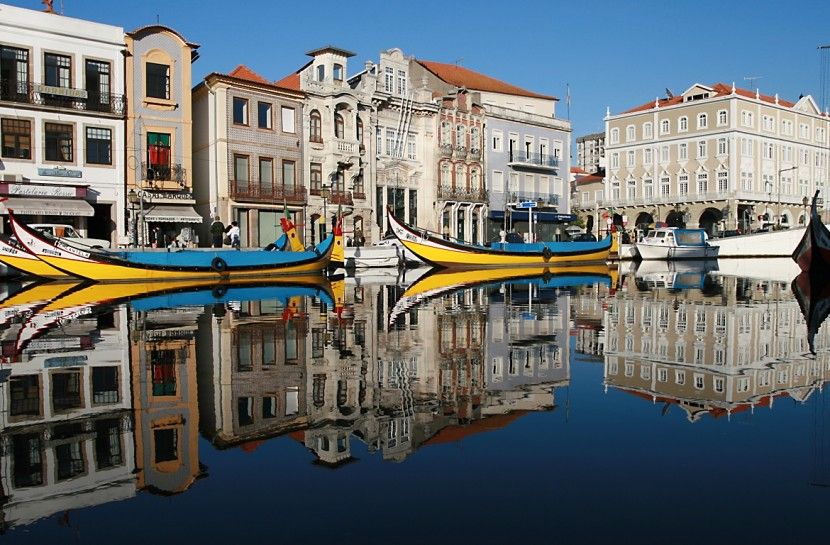
From there, you head out for about an hour cruise along Aveiro’s channels. This is the part people picture when they say Venice of Portugal. But the real win isn’t the comparison—it’s the specific way the canals cut through everyday city life.
You ride a moliceiro, a traditional boat decorated with motifs connected to local culture. Seeing those decorations in person is worth it. They’re not just decoration; they’re part of how Aveiro expresses itself.
What you’ll likely enjoy most: the slow rhythm. You’re not rushing between viewpoints. The canals let you watch buildings, bridges, and water edges as the boat moves at a pace that feels made for looking.
Practical tip: bring sun protection and water-resistant clothing if the forecast looks wet. You’ll be on open-air or partially exposed areas for a full stretch.
More Porto days out worth booking




Guide quality and group size: what to expect from 8 to 27 people
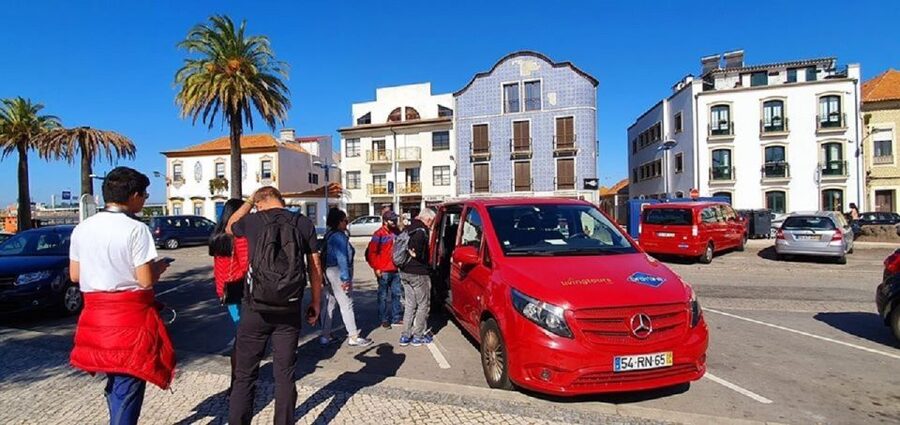
This combo runs with groups from 8 to 27 people. That range is wide enough to affect how personal the tour feels, so it helps to know how to work with it.
In a smaller group, you tend to hear more and ask more without feeling like you’re interrupting. In a larger group, the guide often keeps things moving and priorities become clear fast—what you’re supposed to see, what you’re supposed to understand.
Language also plays a role. Some departures may run mainly in one language, but there can be cases where translation across languages slows the pace. One past customer noted that when a guide had to cover multiple languages, it made timing feel rushed and left less room for questions. I’d treat that as real advice: if your top priority is conversation and flexibility, choose a departure where you know your language will be the primary one.
If you get one of the guides named in past feedback—Mario for lively canal explanations, Isabelle for clear Porto guidance, or Carlos Fonseca for a friendly, history-forward approach—you’re more likely to get the pace you want without losing the human feel.
Price and value: what $84 buys you (and what it doesn’t)
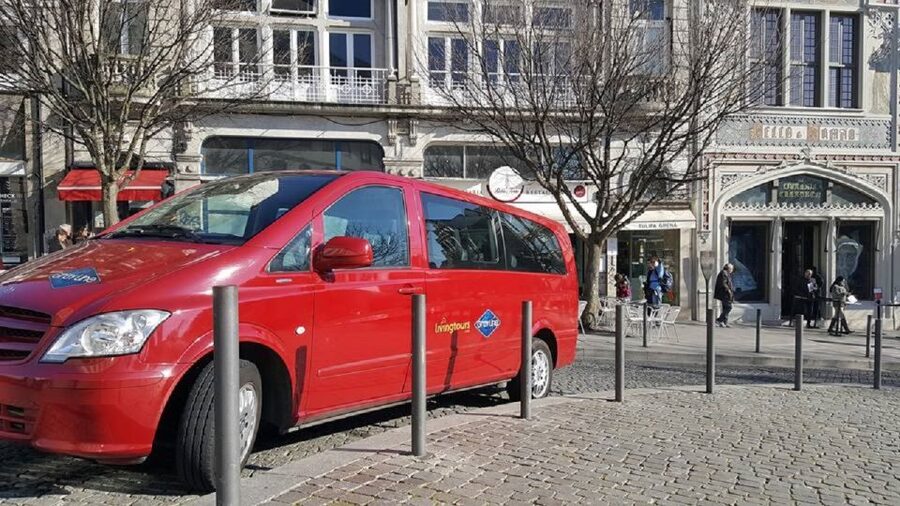
At $84 per person for about 8 hours, this tour’s value comes from the combo of paid components. You’re not just walking: you get a guided Porto walking segment, a port cellar visit with tasting, and an Aveiro cruise.
Here’s what’s not included: hotel pickup/drop-off and food and drinks (beyond the tasting). That matters for budgeting. If you’re staying far from São Bento, you’ll want to plan your own way to the meeting point and back.
Also remember what’s not allowed: luggage or large bags. That’s not a small detail—this is a walking + transport day with tight space at the start and during transitions.
When I look at value, I ask: does the tour replace expensive add-ons? In this case, yes. The tasting and the cruise are the two big “pay separately if you do it on your own” items. Plus, the Porto and Aveiro storytelling helps you make sense of what you’re seeing, which is often the difference between a day that’s fun and a day that actually sticks.
How to fit this tour into your Portugal plan
This is a great choice if:
- You’re short on time and want both Porto and Aveiro without hopping between independent tickets all day.
- You like tours that explain the why behind the sights.
- You want a guided tasting experience in Porto and a canal cruise in Aveiro.
It’s less ideal if:
- You want lots of solo time in Aveiro after the cruise.
- You need wheelchair-friendly routes; the tour is not suitable for people with mobility impairments.
I’d also consider pairing this with extra time in Porto on either side. The combo covers the core highlights, but it doesn’t replace a slower day wandering neighborhoods on your own.
One more bonus: booking this activity can include Living Tours’ free walking tour in Porto (daily, in English and Spanish). That’s a nice way to see more of the city’s layout without paying extra, starting from Rua Mouzinho da Silveira 352 at 9:30 a.m. and 4:30 p.m.
And you’ll also have Porto City Walking Tour available from the day after your experience, which is a smart move if you want to stretch Porto beyond the morning.
Should you book the Porto + Aveiro combo?
Yes, if you want a structured day that blends Porto’s UNESCO core, a hands-on port cellar tasting, and a traditional moliceiro canal cruise with real cultural context. It’s especially good value if you’d otherwise pay separately for a cellar tour and a boat ride.
Skip or reconsider if pace and flexibility are your top priorities. This day is built as a sequence of key stops, and some departures can feel rushed when language coverage affects timing. If you like to linger, add extra hours on your own in Porto and plan at least part of your Aveiro time outside the cruise window.
More Tours in Porto






More Tour Reviews in Porto


Aveiro and Costa Nova





Fresh in the Porto notebook

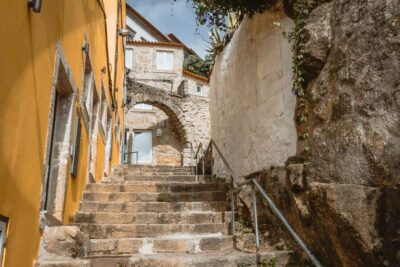
Aveiro & Costa Nova Day Trips, compared.
 ★ 4.5Aveiro and Costa Nova Half Day Tour from Porto with Boat RideFrom $551,522 reviews
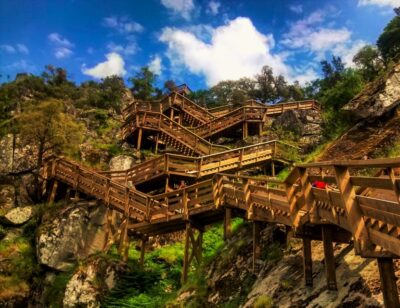 ★ 4.9From Porto: Aveiro, Paiva Walkways, & Suspension Bridge TourFrom $1271,357 reviews
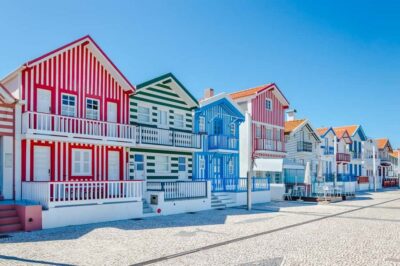 ★ 4.4Aveiro: Half-Day Tour from Porto with Optional CruiseFrom $511,266 reviews
 ★ 4.6Aveiro, Cruise, Costa Nova & Capela da Pedra Full DayFrom $491,039 reviews
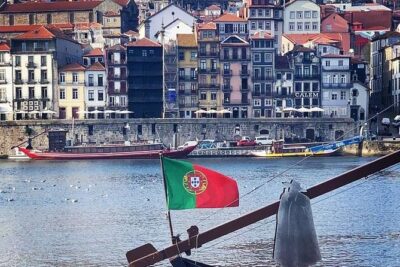 ★ 5.0Porto to Lisbon Up to 4 Stops: Aveiro, Nazare, Fatima & ObidosFrom $287810 reviews
 ★ 5.0From Porto: Aveiro, Paiva Walkways, Suspension Bridge and LunchFrom $130434 reviews
 ★ 5.0516 Arouca Bridge, Paiva Walkways and Aveiro TourFrom $139289 reviews
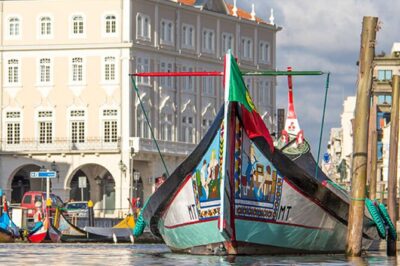 ★ 4.5Moliceiro Boat Tour on the Ria de AveiroFrom $18262 reviews
Browse the lists this tour appears in