
Reviewed · DESSERT TOURS
Braganca: Chestnut Liqueur and Sweets Tasting Experience
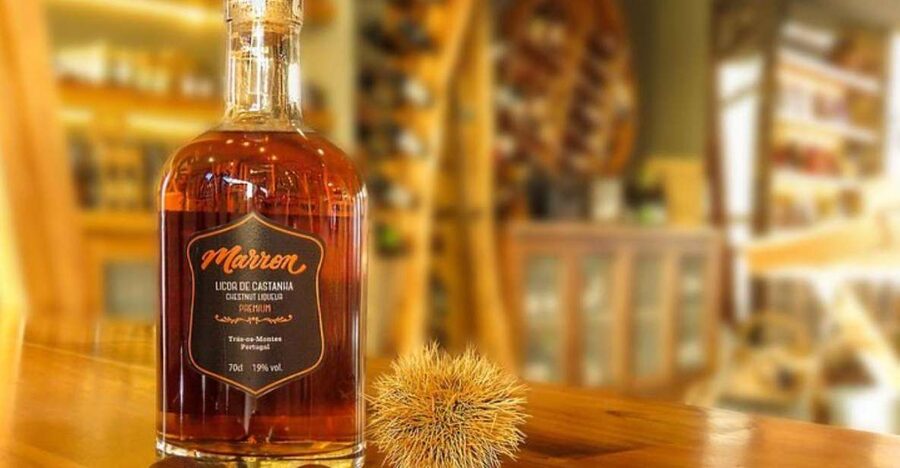
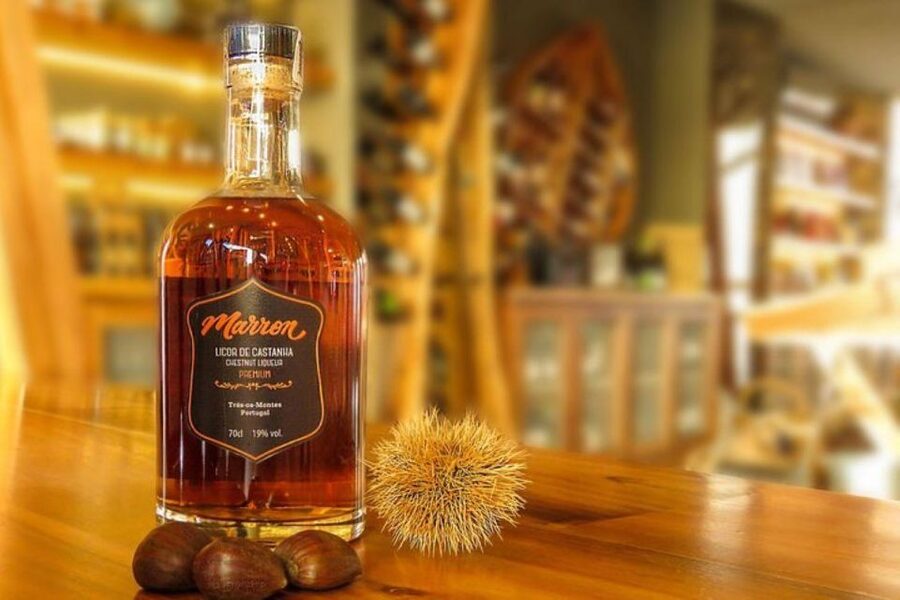
Chestnuts turn into liqueur fast. This short stop at Marron-Oficina da Castanha is a flavor lesson, with Marron liqueur tastings and a production-focused interpretive center that explains where all that chestnut goodness starts.
I especially like the mix of tasting and learning, not just one or the other. And you also get a look at chestnut roasting traditions through a collection featuring examples from Portugal, Spain, France, and Italy. One consideration: 45 minutes goes quickly, so it’s best if you like quick, guided bites more than long museum wandering.
In This Review
- Key things to know before you go
- Marron-Oficina da Castanha: A chestnut place that feels built for visitors
- The 45-minute tasting flow: quick, clear, and guided
- What you’ll learn about Trás-os-Montes chestnuts (and why it matters)
- Marron liqueur tasting: the regional chestnut signature
- Bilhó de chocolate: the sweet you’ll remember after the tour
- The chestnut roasts collection: a food map across Portugal, Spain, France, Italy
- Price and value: is $5 really enough?
- Who this tour is perfect for (and who might want more)
- Should you book Marron-Oficina da Castanha?
- FAQ
- How long is the Chestnut Liqueur and Sweets tasting experience?
- How much does it cost?
- What tastings are included?
- What sweets will I try?
- What is Marron liqueur in this experience?
- Is there a lecture or explanation included?
- What does the chestnut roasts visit include?
- Is transportation to and from the activity included?
- What languages are available?
Key things to know before you go
- Two chestnut liqueurs + two chestnut pastry candies are included in the tasting
- Trás-os-Montes chestnut production and processing get explained in plain, guided terms
- Marron liqueur is a standout chestnut product from the region
- You’ll try the local sweet Bilhó de chocolate
- A chestnut roasts collection compares examples from four countries
- The vibe is welcoming and family-friendly, with staff who pay attention to details
Marron-Oficina da Castanha: A chestnut place that feels built for visitors
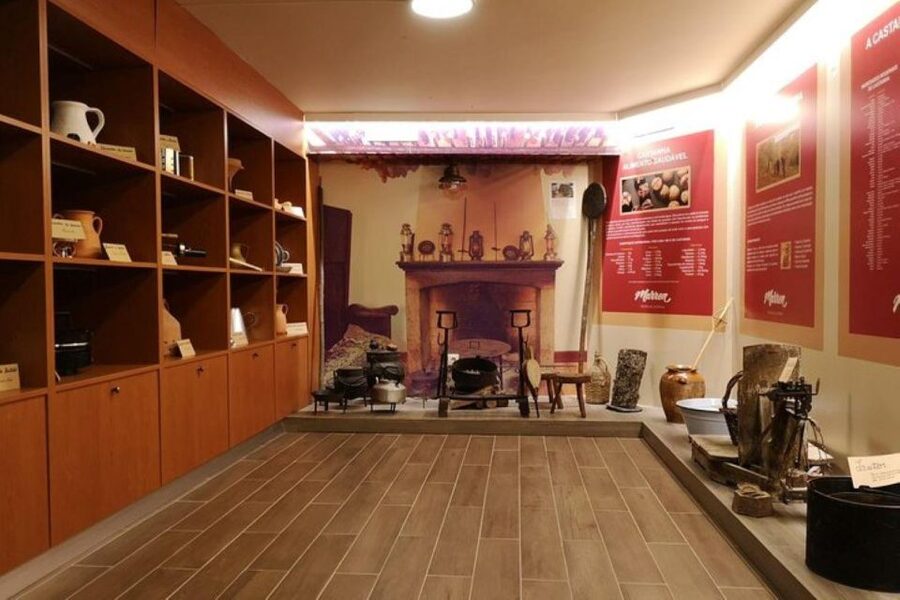
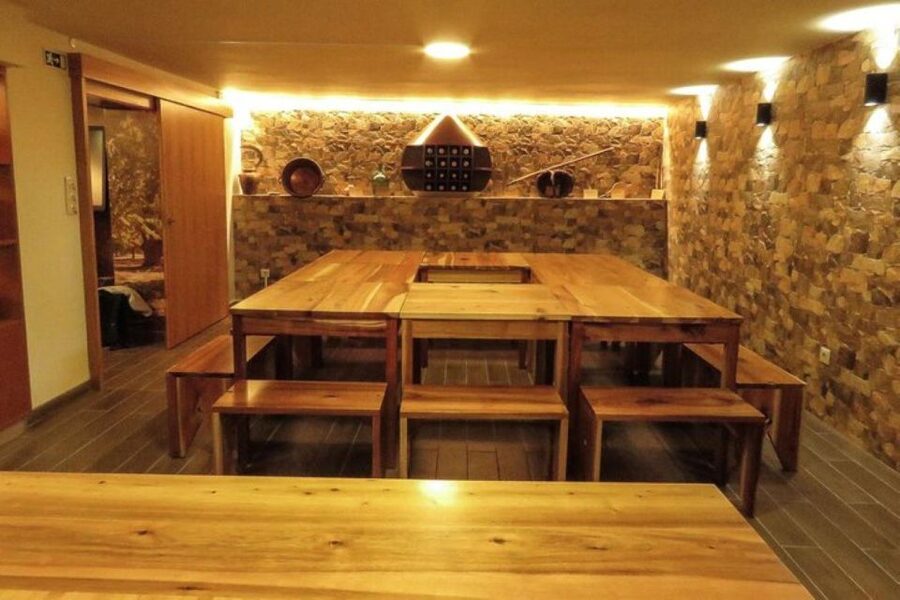
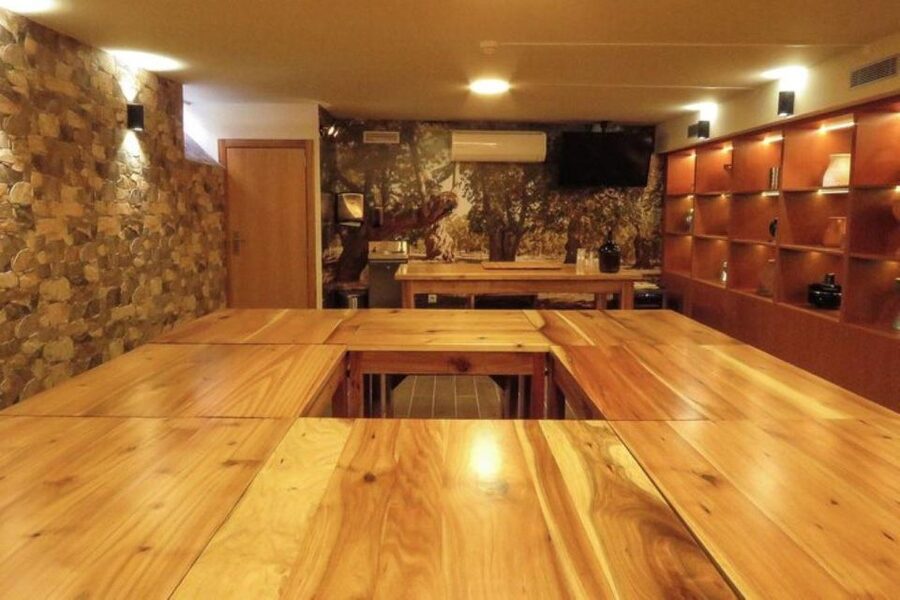
This experience happens in an interpretive center devoted to chestnuts, with a set-up that’s more “easy to follow” than “look-but-don’t-touch.” You come in to taste, but the center also shows you the materials and steps behind the story, which helps the sweets and liqueurs make sense.
What I like is that it doesn’t feel like you’re studying for an exam. The focus stays on the why behind chestnut products in Trás-os-Montes: where chestnuts come from, how they’re processed, and how that work turns into drinkable and snackable treats.
There’s also a shop as part of the experience, so you can grab something to take home after you’ve matched flavors to explanations. That’s a small detail, but it makes the stop more useful if you’re trying to remember what you liked.
The 45-minute tasting flow: quick, clear, and guided
Time here is short by design: 45 minutes. The structure is simple. You start with the interpretive talk and setup, then you move into the tastings, and along the way you’ll see and hear how chestnuts become regional products.
Included tastings are straightforward: 2 chestnut liqueurs and 2 chestnut pastry candies. That means you aren’t stuck with one heavy flavor profile all the way through. If one liqueur is sweet and mellow, the pastry can balance it with a different kind of crunch or chew. If one candy is more chocolate-forward, the liqueurs help round it out.
Because the guide keeps things moving, this is a good choice when your day is already packed. It’s also a good choice when you’re traveling with kids or anyone who gets restless in long indoor stops. You get a full experience without needing to lose half your afternoon.
What you’ll learn about Trás-os-Montes chestnuts (and why it matters)
The lesson centers on production and processing of chestnuts in Trás-os-Montes. You’ll come away with a clearer picture of how local chestnut work becomes the goods you’re tasting. That matters because chestnuts can feel like a “seasonal snack” to visitors, but in this region they’re a serious food thread.
The interpretive center approach works well because it gives your senses a job. After you hear how chestnuts are handled and processed, you taste with more intention. You’re not just eating sugar and sipping alcohol; you’re connecting the flavor to the production idea.
This is also where the tour feels culturally grounded. Chestnut products are part of everyday identity in the region, not just a novelty souvenir. When the guide ties the products back to local work, you understand what you’re buying and why it’s worth trying again later.
Marron liqueur tasting: the regional chestnut signature
Your tasting includes Marron liqueur, described as an exclusive chestnut product from the region. That label matters. Marron products tend to be treated as something special, and here you get to sample it in the setting where it’s explained.
Expect a guided tasting that helps you notice the chestnut character rather than just the sweetness. You’ll also learn how this type of liqueur fits into the broader chestnut product world in Trás-os-Montes, so your sip feels like part of a larger story instead of a standalone drink.
If you’re the kind of traveler who likes to compare flavors across regions, Marron liqueur is a smart anchor. It gives you a baseline chestnut taste, so when you later try other chestnut treats in Portugal—or even across borders—you’ll be able to tell what feels similar and what feels different.
Bilhó de chocolate: the sweet you’ll remember after the tour
One of the included candies is the typical pastry candy Bilhó de chocolate. This is one of those regional sweets that visitors often seek out because it tastes like place, not like generic chocolate.
The name alone is a hint: chocolate is part of the profile. But what makes it more interesting in this context is that it’s part of a set tasting tied to chestnuts. So you’re tasting a local pastry candy alongside chestnut-based liqueurs, which helps you understand how sweetness and roasted chestnut flavor can play together.
If you have a sweet tooth, don’t just sample it and move on. Use it as your “finish note.” Many people find that the last bite of a tasting becomes the most memorable, especially when the sweetness is distinctive. Bilhó de chocolate is the kind of candy that sticks in your brain because it’s both familiar (chocolate) and specific (regional form and flavor style).
The chestnut roasts collection: a food map across Portugal, Spain, France, Italy
After the core tasting portion, you visit a collection of chestnut roasts. What makes it fun is the cross-border angle. You’ll see examples from Portugal, Spain, France, and Italy, presented together so you can compare rather than treat chestnut roasting as a single, “one way to do it” tradition.
Even if you don’t know the technical differences going in, the setup helps you look with fresh eyes. You start noticing how roasting traditions travel with people and food habits. That’s where the experience becomes more than tasting: it becomes visual and comparative.
It also gives you a practical takeaway. When you’re later looking at chestnut products in shops or markets, you’ll have a mental reference point for why roasting style and regional habits can shift the flavor experience. You’ll think more like a food tourist and less like a buyer of whatever’s shiny.
Price and value: is $5 really enough?
At $5 per person, this is priced for a “small win” experience. And because the tour includes two liqueurs, two pastry candies, a lecture on chestnut production/processing, and a visit to the roasts collection, you’re getting a lot packed into a short visit.
The value isn’t just the amount of food and drink. It’s the guided interpretation. One sip without context can feel like a novelty. With the chestnut production explanation, you get a real sense of what you’re tasting and why it’s tied to the region.
The main trade-off is time. Forty-five minutes means you won’t get a long, meandering museum experience. But for a focused tastings-and-learning stop in the Norte Region, it’s a strong deal—especially if you’re trying to sample local specialties without spending hours in transit or in line.
Also note: transportation isn’t included. So factor that into your day planning. If you’re already nearby, it’s easy. If you need to travel far, you’ll want to compare the effort cost versus the snack value.
Who this tour is perfect for (and who might want more)
This is a great match if you want a guided chestnut introduction that stays friendly and digestible. It’s ideal for:
- Families, since it’s short and the center feels welcoming
- People who like food tours that explain the “how” behind flavors
- Travelers who want a quick indoor stop in the Norte Region with tastings included
- Anyone curious about regional products beyond wine and pastries
If you’re the type who prefers long museums, this may feel too brief. Forty-five minutes is enough to give you taste and context, but not enough for deep wandering or extra, unstructured time. Plan to treat it like a focused stop, then move on.
Language-wise, you’ll have a live tour guide in English and Spanish, so you can follow along without guessing.
Should you book Marron-Oficina da Castanha?
Yes, I’d book it if you’re excited about chestnuts and want a short, well-guided tasting that includes both drink and sweets plus a real production lesson. The Marron liqueur and Bilhó de chocolate are a strong combo, and the roasts collection adds the kind of comparison that turns a snack stop into something you’ll remember.
I’d skip it only if you’re looking for a long, slow museum day or you dislike tasting experiences. Otherwise, for $5 and 45 minutes, this is a smart, low-risk way to get specific about regional food.
FAQ
How long is the Chestnut Liqueur and Sweets tasting experience?
The experience lasts 45 minutes.
How much does it cost?
It’s listed at $5 per person.
What tastings are included?
You get a tasting of 2 chestnut liqueurs and 2 chestnut pastry candies.
What sweets will I try?
You’ll try a typical regional pastry candy called Bilhó de chocolate.
What is Marron liqueur in this experience?
You’ll taste Marron liqueur, described as an exclusive chestnut product from the region.
Is there a lecture or explanation included?
Yes. There’s a lecture on the production and processing of chestnuts in Trás-os-Montes.
What does the chestnut roasts visit include?
You visit a collection of chestnut roasts with examples from Portugal, Spain, France, and Italy.
Is transportation to and from the activity included?
No. Transportation is not included.
What languages are available?
The live tour guide is available in English and Spanish.
Dessert Tours, compared.
 ★ 4.6Cálem Cellar with Chocolate, Cheese, and Wine TastingFrom $53310 reviews
 ★ 4.2Chocolate Museum – Unwrap the Secrets of ChocolateFrom $23222 reviews
 ★ 4.0Chocolate Museum – Chocolate’s Delicious Journey + TastingFrom $2315 reviews
 ★ 4.5Porto Small-Group Local Food, Wine, and Sweets Tasting TourFrom $19210 reviews
 ★ 5.0Portuguese Dessert Workshop in Central Porto HomeFrom $638 reviews
 ★ 4.3Pastry and Dessert Tasting Tour with a Local GuideFrom $406 reviews
 ★ 5.0Port Wines & Chocolate PairingFrom $343 reviews
Browse the lists this tour appears in