

Reviewed · WINE TOURS
Bio/Organic Wine Tasting and Food Pairing with Wine Producer
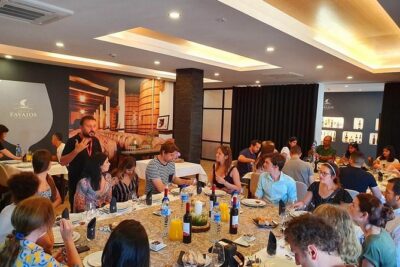
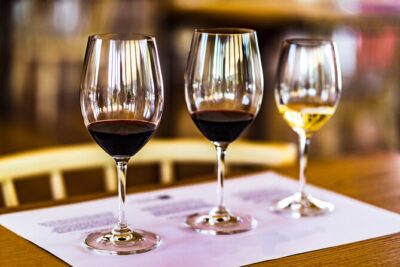
Porto has a way of surprising you. This one-hour-and-a-half stop pairs natural wine lessons with a hands-on food pairing in a quirky venue: part wine bar, part bottle shop, part bookstore, part art space. You taste a flight of 5 organic Portuguese wines (2 whites, 1 rosé, 2 reds), and you learn how altitude, terroir, and grape choices change what hits your glass.
What I like most is the balance: education that stays practical, not academic, plus a chef’s food tasting designed to match the wines instead of just filling time. The other big win is the setting itself. Your host, Luis, doesn’t just pour wine, he walks you through Térmita’s small-world atmosphere, where you can browse books and art between sips.
One consideration: if you’re after a classic, sit-down wine tour with a big bus and a “see the vineyard” vibe, this is more focused and intimate. It’s held at the tasting venue (not vineyard touring), it’s in English, and alcohol is only for those over 16.
In This Review
- Key things you’ll notice
- Térmita in Porto: part wine bar, part bookstore, part art stop
- The 90-minute flow: what happens when you arrive and settle in
- The wine flight: 5 organic pours that teach without overwhelming you
- The big lesson: how Portugal’s regions shape what you taste
- Chef pairing: why the food matters as much as the wine
- Conversation and pace: a small group with real personality
- Price and value: what you get for $70.98 in Porto
- Who should book this natural wine tasting (and who might not)
- Should you book this Porto experience?
- FAQ
- How long is the wine tasting in Porto?
- Is the tour offered in English?
- What wines are included?
- Is there food included with the wine?
- Where do we meet for the tour?
- What is the minimum age for drinking alcohol?
- Can I cancel for a full refund?
Key things you’ll notice
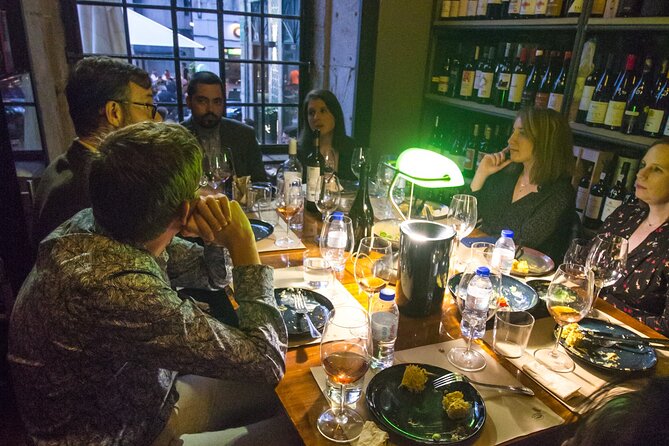
- 5 organic Portuguese wines: 2 whites, 1 rosé, 2 reds, plus a sparkling in the mix
- Chef pairing that changes the tasting (including vegetarian and vegan options)
- Four Portuguese production regions explained through geography, altitude, terroir, and grape species
- Small group size (max 10) for real conversation, not a lecture
- Térmita setting: wine bar, bottle shop, book store, art gallery, and restaurant all in one
- Luis as host: friendly, funny, and direct about how processing affects flavor
More Porto days out worth booking
- From Porto: Douro Valley w/ Boat Tour, Wine Tasting & Lunch★ 4.7 · 19,061 reviews
- Douro Valley Small-Group Tour with Wine Tasting, Lunch and Boat★ 5.0 · 3,642 reviews
- Porto: Cálem Cellar Tour, Fado Show & Wine Tasting★ 4.4 · 3,530 reviews
- Porto: Cockburn’s Port Lodge Tour and Tasting★ 4.8 · 3,360 reviews
Térmita in Porto: part wine bar, part bookstore, part art stop
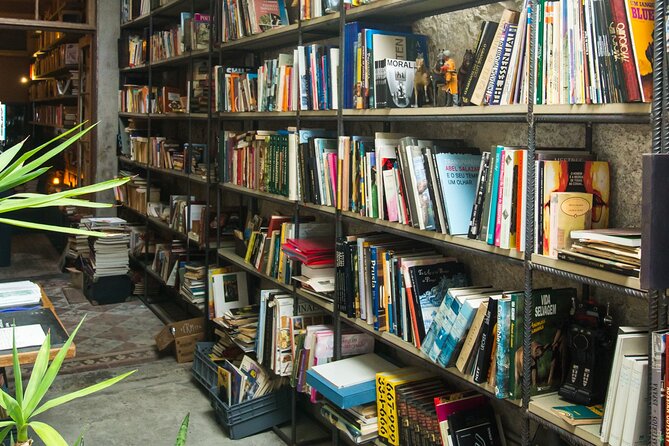
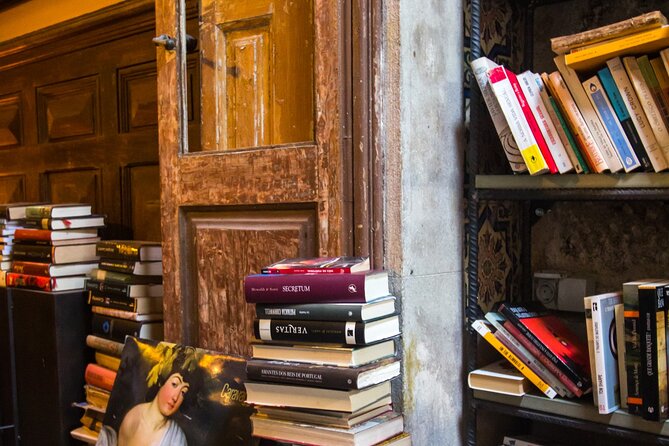
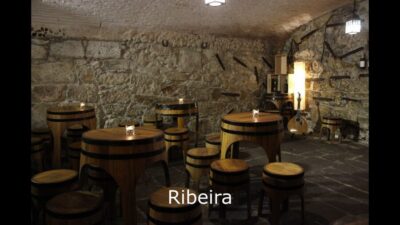
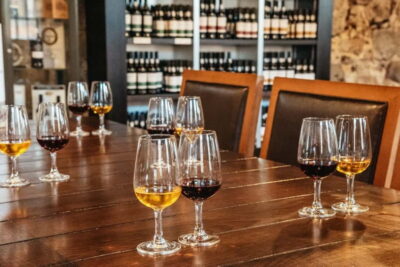
Meeting in Porto, you’ll find the experience centered around Térmita (Térmita Largo de Mompilher 5 R/C). This isn’t a warehouse tasting room or a glossy hotel lounge. It’s a mixed-use space that already feels like a destination before the first glass arrives: there’s a bottle shop vibe, but also a bookstore and an art gallery feel, with a restaurant atmosphere on the side.
That matters because natural wine is easier to understand when you’re not feeling rushed or surrounded by noise. You can talk. You can ask questions. You can look around while the lesson unfolds, which helps you remember what you’re tasting and why.
You’ll also get a guided tour of the location. In past sessions, Luis has helped guests connect what they’re seeing with what they’re drinking, and that includes the way the space came to be. The setting is associated with Café Candelabro next door, and the creative ownership story (Miguel and Hugo are connected with the venue) gives the place an extra layer of personality.
If you like travel moments that feel local and slightly off-script, this is the kind of stop that can turn into a place you return to later, even if you’ve already checked off the big sights.
The 90-minute flow: what happens when you arrive and settle in
This experience runs about 1 hour 30 minutes, with a mobile ticket and English service. With a maximum group size of 10, you’re not swallowed by the crowd. You’ll generally move through the tasting, the food pairing, and the short venue orientation at a pace that lets you actually participate.
Here’s the practical rhythm you can expect:
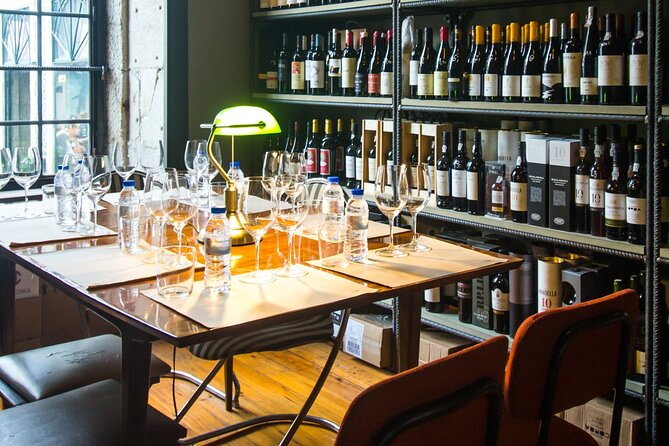
- You start by settling into the tasting space at Térmita.
- Then the host frames the theme: natural, organic, and biodynamic Portuguese wines, and how different regions and farming/processing choices shape flavor.
- After that, the tasting flight happens in stages—sparkling, then whites, rosé, and reds—so your palate has time to reset.
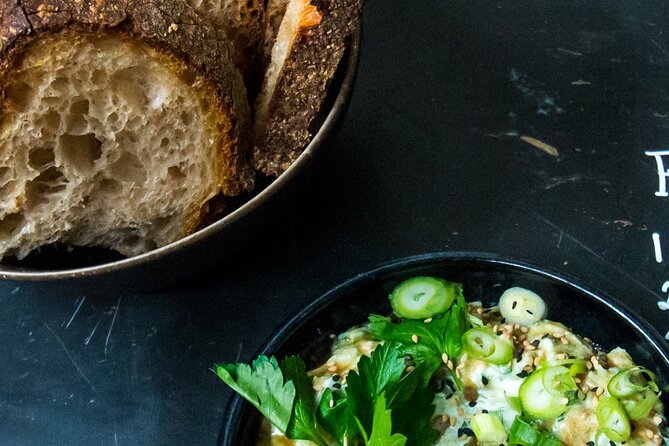
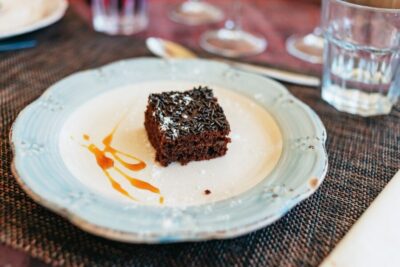
- A chef-prepared food tasting accompanies the wines. It’s not random snacking. The idea is to balance your palate so you can taste the wines more clearly.
- Finally, you wrap with the guided look around the venue so you leave with context and a place to reference later.
Logistics-wise, the venue is near public transportation, and service animals are allowed. Most people can participate, so you’re not expected to bike, hike, or handle strenuous stairs just to do the tasting.
One more detail that helps: alcohol consumption is restricted to people 16 and older. That doesn’t make the event “less fun,” but if you’re traveling with mixed ages, plan accordingly.
The wine flight: 5 organic pours that teach without overwhelming you
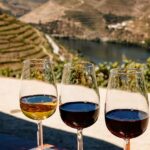
The tour includes snacks and 5 organic wines: 2 whites, 1 rosé, and 2 reds (all Portuguese). In addition, the tasting lineup includes a sparkling wine as part of the 5, which gives you a chance to experience how acidity and effervescence frame aromas differently than still wines.
For many visitors, the hardest part of tasting natural wines is knowing what you’re supposed to focus on. This flight format helps. When you start with something sparkling, your palate wakes up. Then the whites and rosé broaden the range—fruit, floral notes, mineral hints, and the way organic/biodynamic choices can affect texture. The two reds close the loop by showing you how the same principles shift when you move from lighter structure to fuller body.
Also, this isn’t just “taste whatever we have.” The wines are hand picked, and the lesson connects each pour back to the big idea: geography, altitude, terroir, and grape variety all matter. If you’ve ever wondered why two wines labeled organic can taste totally different, this is where you start getting your answer.
And yes, there’s a good chance you’ll talk about pét-nat during the sparkling portion. One highlight from past guests was how much they enjoyed the natural sparkling style, and it even led them to grab more bottles afterwards at the bar next door. Even if you don’t go further that night, you’ll likely walk out with clearer preferences—which is the real goal.
The big lesson: how Portugal’s regions shape what you taste
A standout part of this experience is the way Luis explains Portugal’s wine regions. You’ll discuss four regions of wine production in Portugal, and the focus stays on what changes the wine in the glass:
- Geography and altitude: higher ground often means sharper freshness and a different rhythm of ripening.
- Terroir: soil, exposure, and local conditions can steer the flavor toward mineral tones or toward more fruit-forward expression.
- Processing methods: natural and organic approaches often result in noticeable differences in aromatics and texture.
- Grape species: even within similar growing styles, grape choice keeps pulling the flavor in its own direction.
This is the part that makes the tasting useful beyond the bottle. If you’re planning to drink wine in Porto later—at a casual bar, a bottle shop, or a restaurant—you’ll start tasting for the right things. You’ll also learn to connect what you like to the reasons behind it, not just the emotion of the moment.
Natural, organic, and biodynamic wine can feel like a label soup if you don’t have a map in your head. Here, you get a framework. You’re not just swallowing flavors—you’re building a quick mental model that makes future tastings easier.
One practical tip: pay attention to how the wines feel in your mouth, not only how they smell. Natural wines often show differences in texture and finish, and that’s exactly what the food pairing helps clarify.
More Porto days out worth booking

Chef pairing: why the food matters as much as the wine
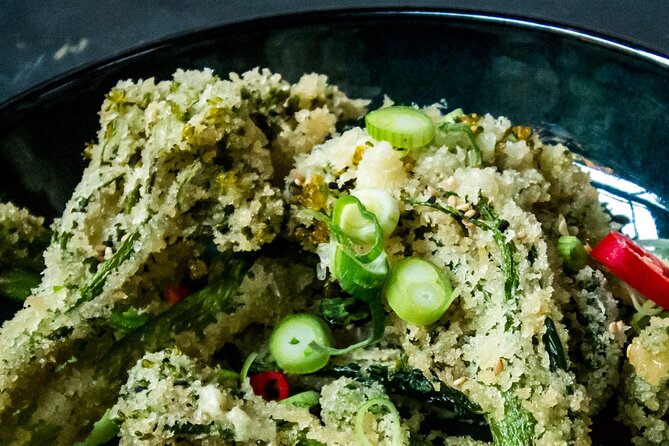
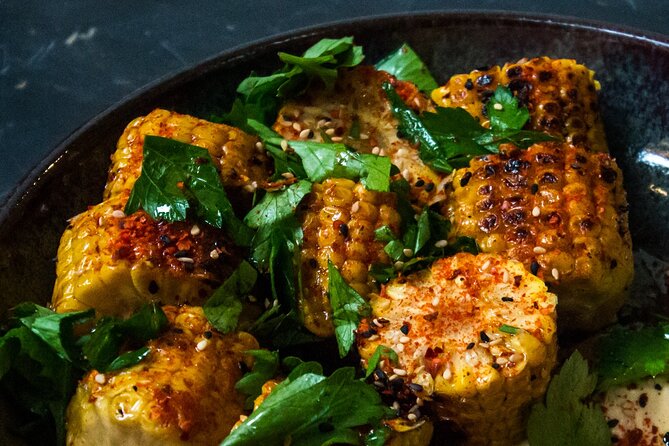
Wine tastings often treat food like an afterthought. Here, the food is part of the lesson. A chef prepares a food tasting specifically for the occasion, and it’s designed to accompany the wines for balance.
In past sessions, guests highlighted minimal but delicious bites prepared by chef Keneth. That tells you the approach: it’s not a heavy meal. It’s enough to support your palate without turning the tasting into dinner.
You should expect a starter that can vary. The provided examples include options like pastries from a local bakery (sun/moon pastries are mentioned), and there are vegetarian and vegan choices. The main pairing approach stays consistent: you’re tasting alongside food meant to keep each wine readable.
Here’s the value for you: when a food bite brings out acidity, softens tannins, or lifts aromatics, you understand the wine more accurately. You also learn what to order later at restaurants. Instead of just asking what’s good, you’ll know what kind of dish pairs well with the style you liked.
If you’re vegetarian or vegan, that matters too. Many wine experiences offer compromises like “we’ll find something.” This one explicitly mentions vegetarian and vegan options, so you can go in with less guesswork.
Conversation and pace: a small group with real personality
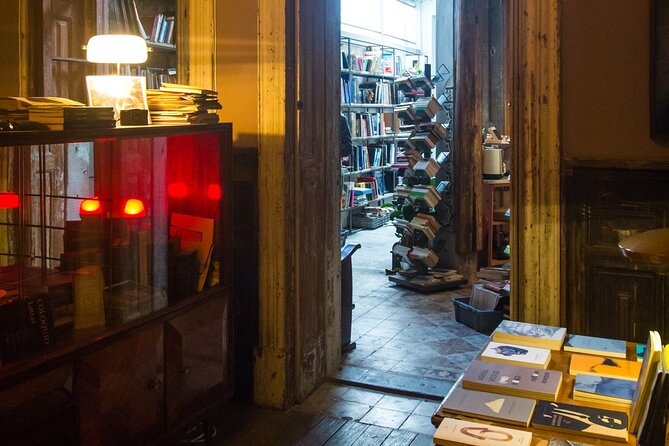
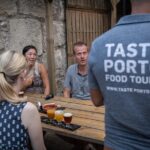
This experience isn’t built around silence. With a maximum of 10 travelers, it’s set up for questions and back-and-forth talk. Luis’ style shows up in the feedback: friendly, dynamic, honest, funny, and clearly invested in teaching without making it feel stiff.
That tone matters. Natural wine is a topic that can turn defensive quickly if someone tries to claim one method is always superior. A good host keeps it grounded in the senses: what’s in the glass, what changed, and what you can taste next.
Also, the tour includes guided time inside the venue itself—bookstore and art gallery browsing isn’t just decoration. It adds a slower rhythm to the night, so the tasting doesn’t feel like an industrial hop-through. It’s easy to linger, take in the atmosphere, and still stay on schedule for the 1 hour 30 minute format.
Price and value: what you get for $70.98 in Porto
At $70.98 per person for about 1.5 hours, you’re paying for three things at once:
1) a guided natural/organic/biodynamic tasting with 5 included wines,
2) a chef-prepared food pairing and snacks, and
3) a guided look around a special venue that doubles as bottle shop, book store, art gallery, and restaurant.
If you compare it to buying wine by the glass and ordering food a la carte, the tasting format is usually the difference-maker. You’re not just paying for the drinks; you’re paying for the explanation that helps you understand what you’re drinking. And the food pairing means your taste buds get more usable information than you would from plain sipping.
Could it be pricey if you only wanted one casual drink? Sure. But if you’re the type who likes learning quickly and then using that knowledge on your next night out in Porto, this price starts to make sense. The small group size also supports value; you’re more likely to get personal attention than you would in a big crowd.
Who should book this natural wine tasting (and who might not)
This tour fits best if you:
- want a natural wine tasting in Porto with practical explanations
- like the idea of learning how altitude, terroir, and grape choices affect flavor
- want food that’s designed to pair, including vegetarian and vegan options
- prefer smaller groups and conversation over formal lectures
It might not be your match if you:
- want vineyard walking or a countryside tour (this is venue-based)
- expect a strict classroom style with lots of technical jargon
- are traveling with people who need alcohol-free participation throughout; the drinking age rule means planning matters for anyone under 16
Should you book this Porto experience?
I’d book it if you want a structured but relaxed way to learn Portugal’s natural, organic, and biodynamic wine side without committing an entire day. The combination of 5 organic wines, chef pairing, and a real host (Luis) inside Térmita’s creative space makes it feel like you’re doing more than tasting. You’re gaining a simple framework you can use immediately when you order wine later in Porto.
If you’re simply wine-curious, you’ll still get value because the pace and flight structure do the heavy lifting. If you already like natural wines, this type of region-and-processing explanation can sharpen what you’re choosing next.
FAQ
How long is the wine tasting in Porto?
The experience lasts about 1 hour 30 minutes.
Is the tour offered in English?
Yes, it’s offered in English.
What wines are included?
You get to taste 5 organic Portuguese wines: 2 whites, 1 rosé, and 2 reds, plus a sparkling wine as part of the flight.
Is there food included with the wine?
Yes. You’ll have snacks and a chef-prepared food tasting designed to accompany the wines, with vegetarian and vegan options available.
Where do we meet for the tour?
The meeting point is Térmita, Largo de Mompilher 5 R/C, 4050-392 Porto, Portugal.
What is the minimum age for drinking alcohol?
Only participants over 16 can consume alcohol.
Can I cancel for a full refund?
Yes. You can cancel for a full refund if you cancel at least 24 hours before the experience’s start time. Free cancellation applies up to 24 hours in advance.
If you want, tell me what kinds of wines you already like (crisp whites, light reds, bold reds, sparkling, low-sugar styles), and I’ll help you decide whether this flight is likely to match your taste.
More Food in Porto
More Food & Drink in Porto



More Tour Reviews in Porto

Fresh in the Porto notebook


Wine Tours, compared.
 ★ 4.7From Porto: Douro Valley w/ Boat Tour, Wine Tasting & LunchFrom $8219,061 reviews
 ★ 5.0Complete Douro Valley Wine Tour with Lunch, Wine Tastings and River CruiseFrom $10112,920 reviews
 ★ 4.7Douro Valley with Winery Lunch, Tastings & CruiseFrom $997,002 reviews
 ★ 4.8Live Fado Show with Glass of Port WineFrom $236,498 reviews
 ★ 4.9From Porto: 2 Wine Regions, Farm-to-Table Lunch & BoatFrom $945,724 reviews
 ★ 5.0Douro Valley: Historical Sites, Wine Experience, Lunch & CruiseFrom $1075,133 reviews
 ★ 5.0Authentic Small Group Douro Wine Tour with Lunch & River CruiseFrom $1334,775 reviews
 ★ 4.2Bridges Cruise & Sunset & Port Wine Cellar OptionFrom $214,180 reviews
Browse the lists this tour appears in