
Reviewed · AROUCA GEOPARK & OUTDOOR ADVENTURES
Water Canyoning
Expect ropes, water, and a cave waterfall. This is the kind of activity where a 7-meter cave waterfall is the headline, and it happens on an intermediate Rio Laboreiro route that keeps you busy the whole time. I also like that your boots, wetsuit, helmet, and life vest are included, so you’re not wasting the day figuring out gear.
I especially love the people running it. Guides Hélder and Duarte focus on keeping you safe while still letting you feel the thrill of repels and canyon descents. One heads-up: this is not a sit-and-splash option. You’ll need moderate physical fitness and you should be ready for an intermediate cave canyon with ropes.
In This Review
- Key things you should know before you go
- Why Rio Laboreiro and that 7-meter cave waterfall matter
- What equipment you get (and why it’s a big deal)
- Meeting at Peneda-Gerês Canyoning Center and getting to the action fast
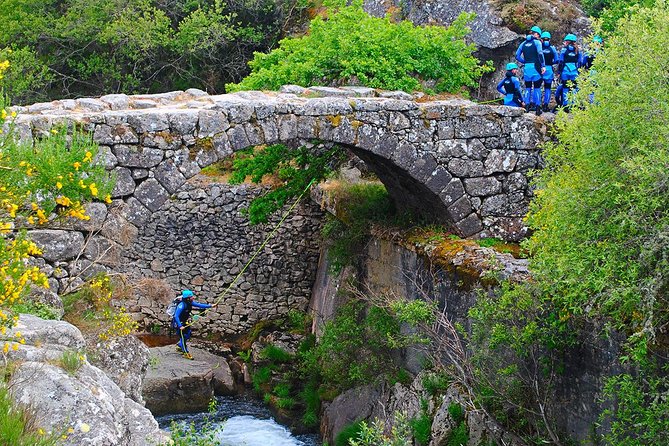
- Stop 1: Ponte Velha de Castro Laboreiro as your warm-up to the route
- Stop 2: Castro Laboreiro and the intermediate descents you’ll remember
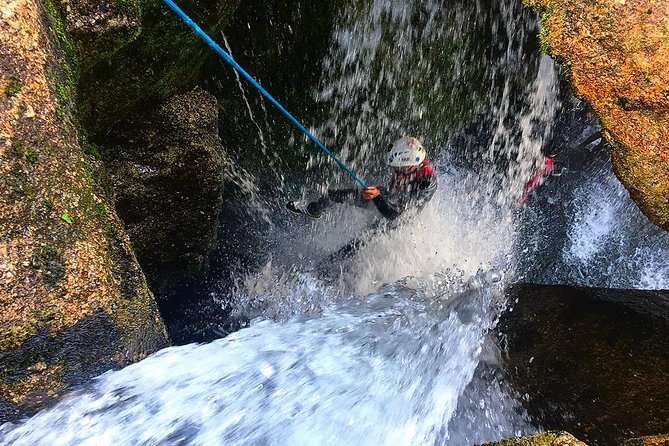
- The 7-meter cave moment: what to expect when you’re inside
- Safety style: what “monitors” really means on the ground
- Time, group size, and why your day will stay focused
- Price and value: what you’re really paying for
- What to bring (and what you can skip)
- After canyoning: food in the village and an easy Spain soak idea
- Who this water canyoning tour suits best
- Should you book Water Canyoning in Braga?
Key things you should know before you go
- 7-meter cave waterfall inside a cave that makes every drop feel cinematic
- Intermediate difficulty with real descending moments and rope work
- All the core gear included (suit, boots, helmet, life vest)
- Short on-location time cost since the canyon area is close to the center
- Small groups up to 15 for a more hands-on, coached feel
- No snacks or meal included so plan food before/after
Walk the Paiva boardwalks or cross the 516 bridge
- Canyoning Tour★ 5.0 · 230 reviews
- Canyoning Tour in Portugal★ 4.9 · 133 reviews
- 3 Wonderful Waterfalls in a Day★ 5.0 · 84 reviews
- Canyoning Tour From Porto★ 5.0 · 79 reviews
Why Rio Laboreiro and that 7-meter cave waterfall matter
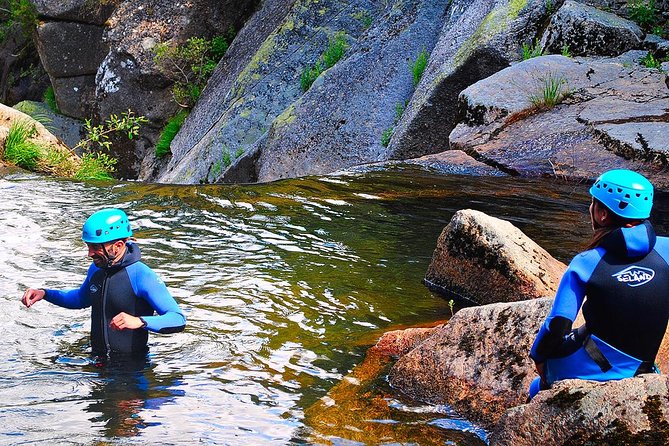
This tour is built around a single big visual payoff: you’ll see a waterfall inside a seven-meter cave. It’s not just a photo stop. The cave space makes the moment feel louder, cooler, and more dramatic, especially when you’re already focused on your footing and timing.
The route itself runs along Rio Laboreiro, and it’s rated intermediate. That matters because it shapes how you’ll move through the canyon. You’re not just walking in. You’re working through descents, getting your bearings on ropes, and staying aware of water conditions in a real canyon setting.
I like that the experience is nature-forward. You’re there for the water route, the rock, and the challenge—not for theme-park distractions. If you’re a canyoning fan, the “water + cave + rope” mix is exactly what you came for.
What equipment you get (and why it’s a big deal)
You get the full kit: wetsuit, boots, helmet, and life vest. That’s a quality-of-experience issue, not a minor convenience. Thick wetsuits help you stay comfortable in cold or moving water, and proper footwear matters when the ground is slick and uneven.
The gear setup also sets expectations. You don’t need to guess what to bring for safety or warmth. You can focus on learning the rope techniques and the descent rhythm your guides explain.
From the experience details, the company emphasizes correct protection and comfort. That lines up with what you want on a cave canyon: you should feel secure, not self-conscious about your gear.
Meeting at Peneda-Gerês Canyoning Center and getting to the action fast
You’ll meet at Peneda-Gerês Canyoning Center, Lugar da Varziela, 4960-094, Portugal. The good news here is how efficiently the day runs. One of the best practical notes: the canyon area is close to the center, so you’re not spending half your trip in a van.
Once you’re kitted up, the time you save on driving gets returned to the main event: more time on the route, more time learning how to descend confidently, and more time getting the full value of the 3-hour window.
This is also why the meeting point matters. You’ll want to arrive on time, get your gear check done, and be ready to move while the group is still together.
Stop 1: Ponte Velha de Castro Laboreiro as your warm-up to the route
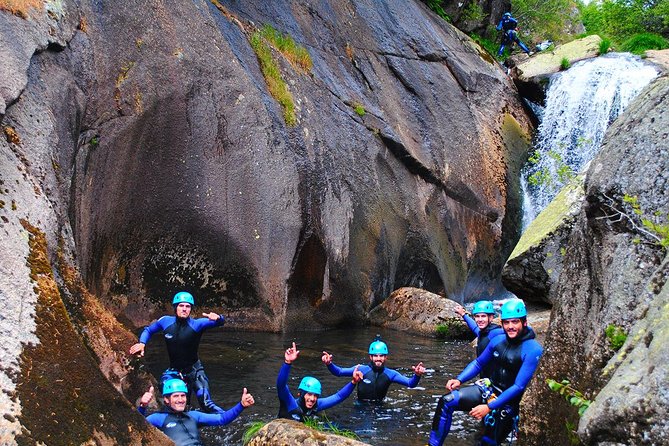
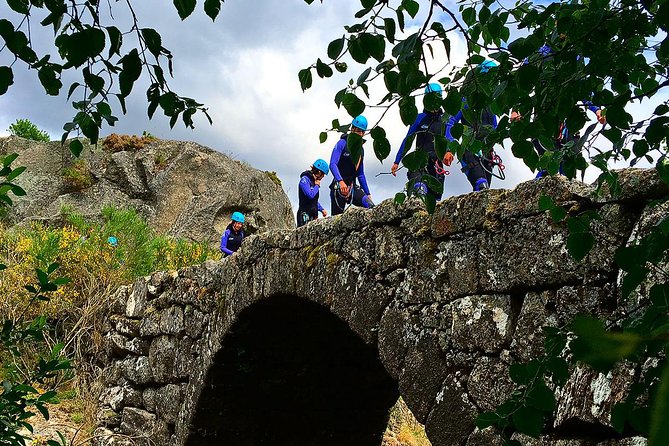
Stop 1 is Ponte Velha de Castro Laboreiro. Even though this sounds like just a location name, think of it as the “transition moment” between arriving and actually canyoning.
Here’s what I’d treat as the real purpose of the first stop: you’ll get your head in the right place. In canyoning, the early moments set your confidence. You want time to understand how the guides want you to move, how you’ll handle wet surfaces, and what you should listen for during rope instructions.
Because the overall route is intermediate, this step helps you avoid the common beginner problem: freezing up during the first real descent. If you pay attention early, you’ll spend later moments enjoying the challenge instead of worrying about what comes next.
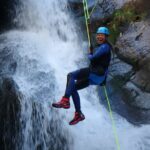

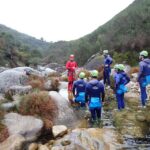
Stop 2: Castro Laboreiro and the intermediate descents you’ll remember
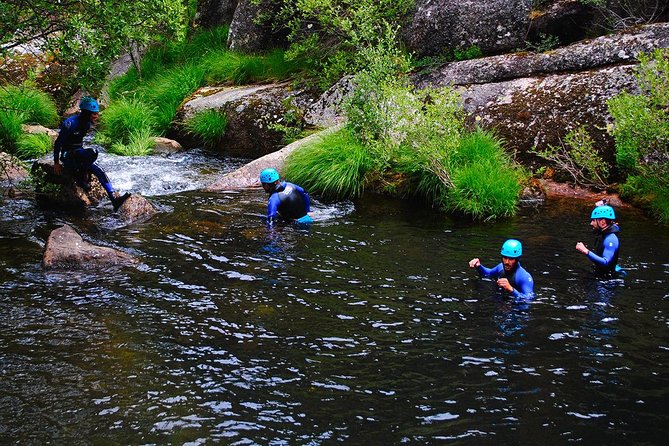
Stop 2 is Castro Laboreiro, and this is where the adventure energy usually ramps up. The activity is described as spectacular because of the challenges during the descent, and the cave waterfall is part of that story.
This is also where rope work and controlled drops come into play. In the guide-led style used here, you’re not left to figure it out alone. The focus is on helping you feel safe while still experiencing the thrill of repels.
If you’re new to rope climbing or worried about heights, you can still be fine—so long as you can follow instructions and you’re comfortable doing an intermediate activity. The guides’ job is to teach you, and you’ll learn by doing, not just watching.
The 7-meter cave moment: what to expect when you’re inside
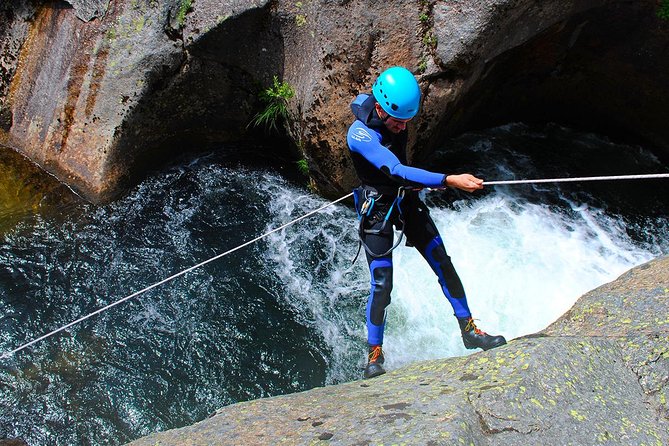
The standout highlight is a waterfall inside a 7-meter cave. That setting changes the feel of water. Instead of a flat, open view, you’re in a confined space where sound bounces, air feels cooler, and visibility can shift as water hits surfaces.
It’s exactly the kind of moment that sticks with you because it’s both beautiful and functional. You’re there for the view, but you also have to respect the movement required to get through it.
What you’ll like most is the combo: nature beauty plus guided technique. You get the moment, and you don’t lose time worrying about safety steps because your guides stay in control of pace and positioning.
Safety style: what “monitors” really means on the ground
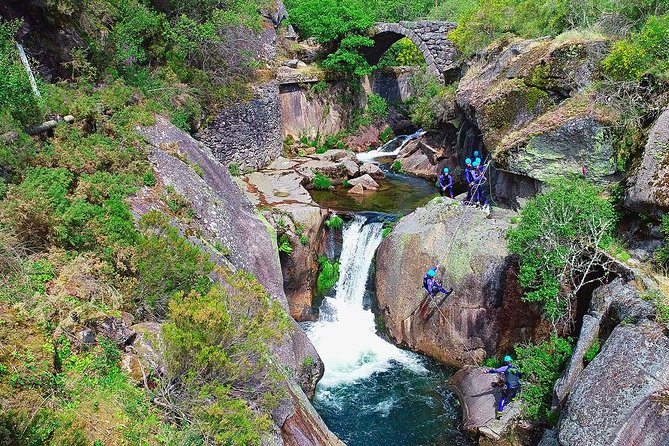
The tour is guided by monitors, and safety is a repeated theme. You’re accompanied throughout so you can enjoy the experience without being left to manage risk by yourself.
In canyoning, the safest feeling comes from two things: clear instruction and consistent oversight. The guide approach here is designed for that. With gear on and helmets secured, the next layer is learning how to handle descents and rope setups the right way.
This is why the intermediate rating should not scare you—so long as you match the activity expectations. You don’t need to be an expert climber, but you do need to be willing to learn quickly and move with the group.
Time, group size, and why your day will stay focused
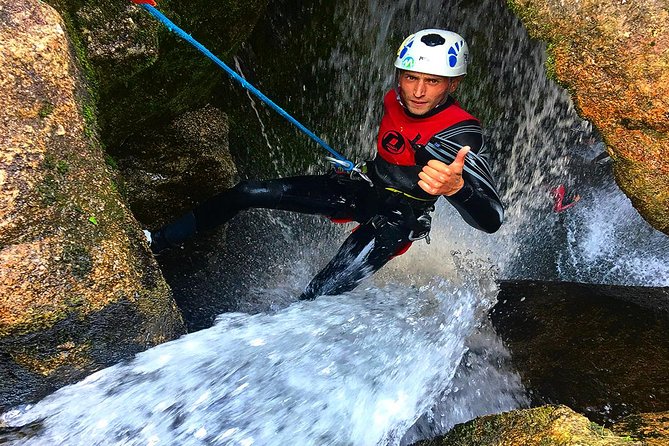
The duration is about 3 hours, and the group limit is max 15 travelers. Those two facts combine into a practical benefit: you get enough time to do the real canyoning work without it turning into a half-day wandering program.
Small groups also mean more attention per person. You’re more likely to get guidance when you need it, especially during rope steps and when water conditions make foot placement critical.
Booking tends to happen in advance (on average, around 16 days ahead). If you’re flexible, you can still find dates, but I’d treat this as a popular activity in the region rather than something to leave to the last minute.
Price and value: what you’re really paying for
The price is $60.07 per person for around 3 hours. At first glance, it’s a simple number. But the value is in what’s included: wetsuit, boots, helmet, and life vest, plus all fees and taxes.
For canyoning, gear costs and safety overhead can be the hidden part of the price. Here, you don’t pay extra for the basics, and you also don’t waste time sourcing correct equipment. You’re basically paying for the guided route, safety coaching, and the full gear setup.
Also, the day runs efficiently. If you’re only seeing a short transfer from the base to the canyon, your paid time goes directly into the activity itself. That’s how $60 feels fair instead of rushed.
What to bring (and what you can skip)
The essential safety equipment is included, including your suit, boots, helmet, and vest. That means you can skip the hardest planning piece: finding the right canyoning gear.
What’s not included is snacks and meals. Plan to eat before you go, and have a post-canyon plan ready. One review note also suggests people often grab food in the village after the adventure, then continue with a longer relaxing day.
If you like keeping your itinerary simple, eat early, bring only what you need for getting changed and staying comfortable afterward, and let the guides handle the technical part.
After canyoning: food in the village and an easy Spain soak idea
If you want to turn this into a bigger day, there’s a smart follow-on idea from someone who paired the canyoning with a relaxed soak. After the activity, they had a nice meal in the village and then drove about 20–30 minutes into Spain to the Roman hot springs in Bande.
That’s a great pattern: do the adrenaline in Portugal, then reset your legs and shoulders in warm waters across the border. It’s also the kind of plan that fits the 3-hour duration well—you’re not stuck with a full-day wrap-up that leaves no energy for anything else.
Who this water canyoning tour suits best
This experience fits you if you like the idea of intermediate cave canyoning, hands-on rope work, and a real water challenge with a dramatic payoff. It’s also a strong match if you enjoy nature settings where the main event is the route itself, not amenities.
You should think twice if you want a super easy, fully beginner activity. The requirements point to moderate physical fitness, and the route includes the kinds of descent challenges that come with intermediate canyoning.
It’s ideal for:
- Canyoning enthusiasts who want the cave waterfall moment
- People who learn fast and do well following instructions
- Small groups and couples looking for a guided adventure without a huge crowd
Should you book Water Canyoning in Braga?
Yes, I’d book it if you want a guided intermediate canyon experience with serious scenery value and safety support. The combination of included gear, a focused 3-hour session, and the headline 7-meter cave waterfall makes this feel like a practical adventure, not a tour you forget on the drive home.
If you’re deciding between this and a gentler option, choose this when you’re ready to work—move carefully, listen closely, and accept that repels and descents are part of the fun. If you want a no-learning, no-rope day, look for something easier.
More Tour Reviews in Braga
Arouca and the Paiva Boardwalks
Fresh in the Braga notebook
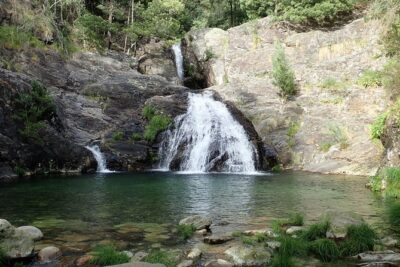
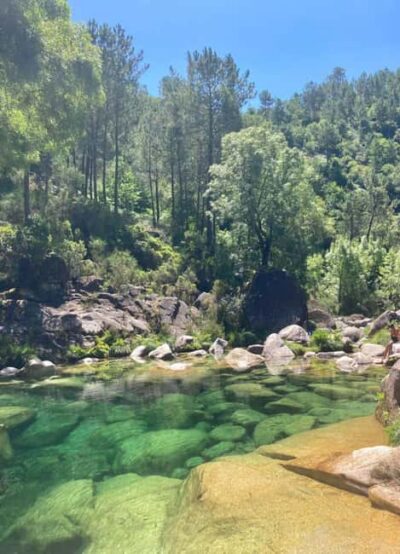
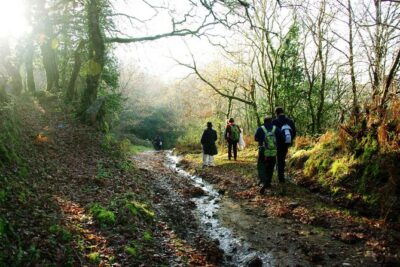
Arouca Geopark & Outdoor Adventures, compared.
 ★ 4.9From Porto: Aveiro, Paiva Walkways, & Suspension Bridge TourFrom $1271,357 reviews
 ★ 5.0Waterfall, Lagoon and Old Village in Peneda-Gerês National ParkFrom $1261,132 reviews
 ★ 4.9From Porto: Off-Road Buggy AdventureFrom $200851 reviews
 ★ 5.04×4 Mountain TourFrom $84707 reviews
 ★ 5.0516 Arouca Bridge & Paiva Walkways Tour with Lunch from PortoFrom $139645 reviews
 ★ 5.0Small Group 4×4 Tour in Oporto Mountains – OffroadFrom $83557 reviews
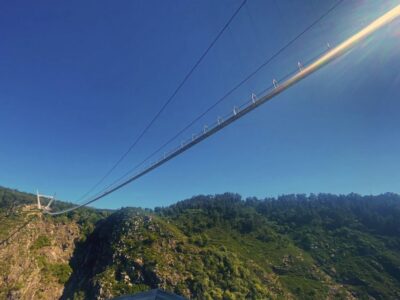 ★ 4.9From Porto: Arouca 516 and Paiva Walkways Guided Day TripFrom $135456 reviews
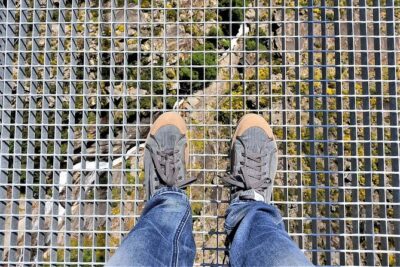 ★ 5.0From Porto: Aveiro, Paiva Walkways, Suspension Bridge and LunchFrom $130434 reviews
Browse the lists this tour appears in